
Príncipe residents offered payments to protect nature — Asharq Al-Awsat
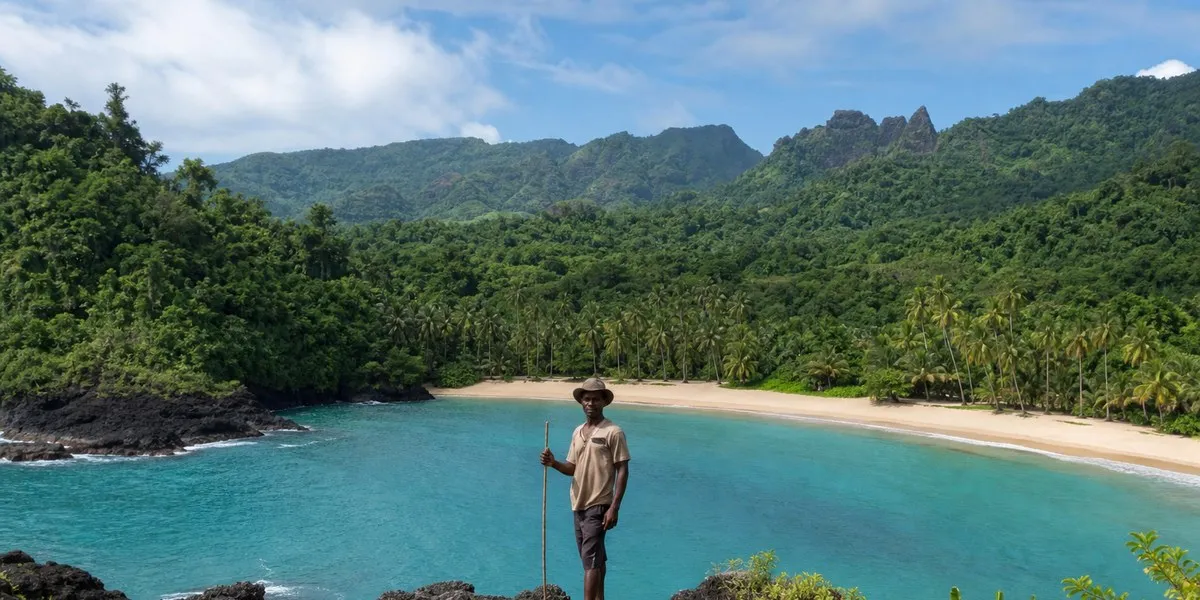
On the island of Príncipe in São Tomé and Príncipe, the Faya Foundation charity has begun paying adult residents in exchange for commitments not to engage in activities that harm the environment. The initiative was launched by South African technology entrepreneur Mark Shuttleworth, who is developing luxury ecotourism in the archipelago, Asharq Al-Awsat reports.
Payments for nature conservation
Programme participants agree in writing not to extract sand or engage in unregulated logging. In return, they can receive up to 6,250 dobras per quarter, or about $290. This amounts to approximately $3.20 per day.
The programme was launched in February for around 10,000 residents of the 140-square-kilometre island. Foundation sociologist Vic Michaud said that residents are the “main guardians of nature” and that it is important for the organisation to have their support. At the same time, no one has yet received the maximum payment: according to Michaud, monitoring shows that the condition of the natural environment is not yet optimal.
To increase the amount of payments, participants must, among other things, restore forests and make better environmental decisions. Twenty-three-year-old technician Ermelindo Mendes said he received his first quarterly payment of 900 dobras and called it assistance, although it is not a salary.
More current news is available on the UA.News Telegram channel Telegram.
Criticism of the programme
Príncipe, part of the São Tomé and Príncipe archipelago, has the status of an internationally recognised UNESCO biosphere reserve. About 15,000 tourists visit the island each year. Shuttleworth-owned HBD Group has four hotels in the archipelago; a stay at one of them can cost up to $1,700 per night.
At the same time, parliamentarian Conceição Moreno refused to participate in the programme. He believes the payments are too small to affect families’ survival and called for cooperation with the government to develop social services and infrastructure. Michaud stressed that the payments are not a salary and that a private charity cannot replace the state.
According to the latest World Bank data cited in the report, from 2017, 45% of the country’s population lives on less than $3.60 per day.




