
Havana Zoo Cuts Animal Breeding Programs — Asharq Al-Awsat
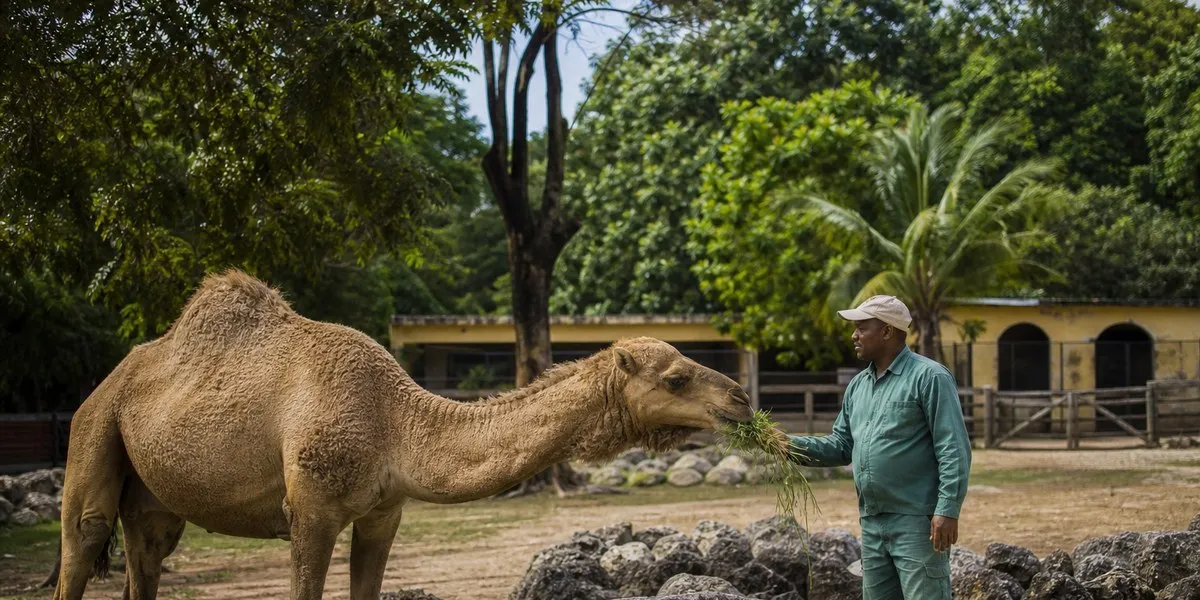
Cuba’s National Zoo in Havana has cut its animal breeding programs due to shortages of feed, medicines, water and staff. The 345-hectare park houses nearly 1,000 animals, including black and white rhinos, hippos, jaguars, tigers and Grant’s zebras.
As Asharq Al-Awsat reports, employees travel daily to the zoo, located about 20 kilometers from central Havana, by bicycle, pedal scooters or electric motorcycles to provide the animals with food and water. Animal welfare manager Yoel Machado said the zoo has international importance as a genetic reserve for vulnerable and endangered species.
Shortages of feed and electricity
Veterinarian Ángel Cordero, who cares for the big cats, said tiger food has to be rationed so that it lasts longer. According to him, one adult big cat needs about seven kilograms of meat per day. Power outages, which sometimes last up to 30 hours, complicate food storage.
More current news is available on the UA.News Telegram channel Telegram.
Zoo director Juan Carlos Corella said the park recently went without electricity for 23 days and, consequently, without running water. Employees brought in water trucks and searched for animal feed almost every day. The institution’s needs are partly covered by private donors: Ana Fernández, in particular, donates meat every Monday.
Veterinarian exodus and new offspring
The zoo’s problems have been exacerbated by an exodus of veterinarians: more than a third of specialists left the institution for better-paid positions, mainly in Cuba’s private sector. Due to limited resources, the administration decided not to increase the number of animals, as each newborn requires additional feed, medicines and care.
At the same time, tiger cubs, hyenas, jackals and a black dromedary named Esperanza have been born at the zoo in recent months. According to the publication, this is the first black dromedary born in Cuba in three decades.




