
Holiday on August 27, 2026 — Moldova's Independence Day: What You Need to Know
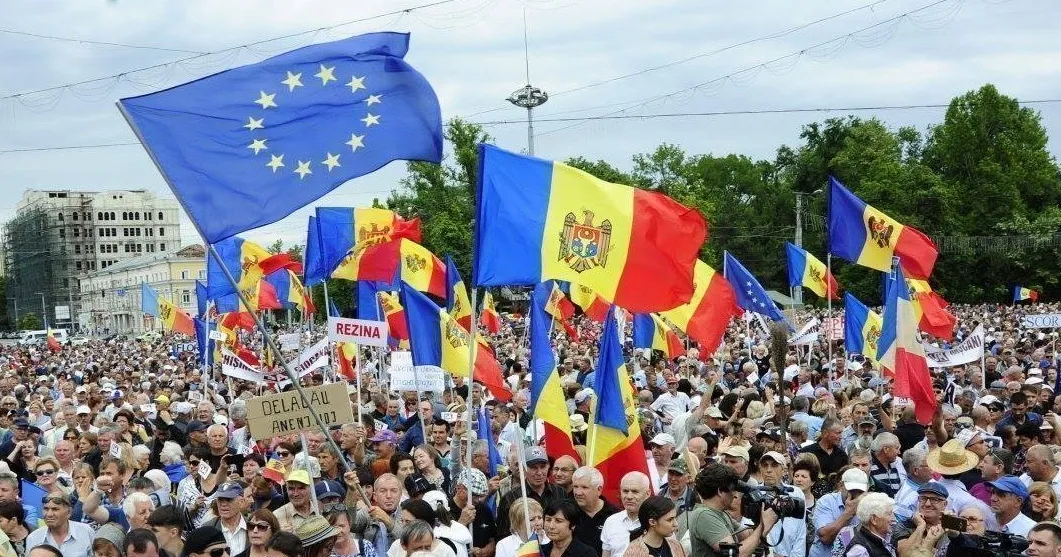
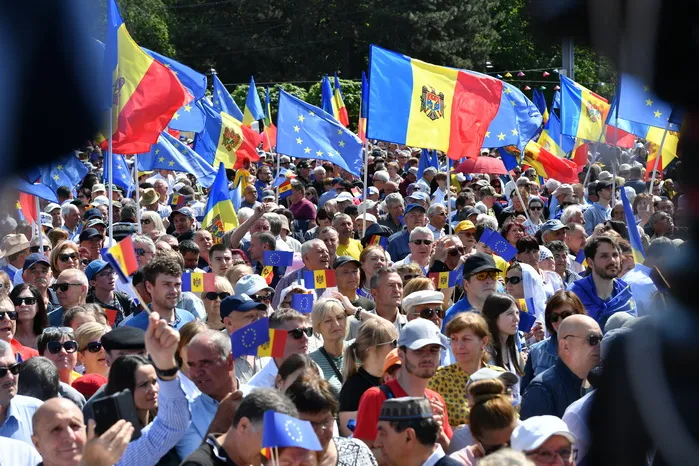
On August 27, 2026, Moldova will celebrate the 35th anniversary of its declaration of independence. It was on this day in 1991 that the country’s parliament adopted the Declaration of Independence, marking the beginning of a new chapter in the nation’s history. This year, the holiday will once again be celebrated in Chisinau and other cities with concerts, ceremonial events, wreath-laying ceremonies, and major events for city residents.
Moldova’s Independence Day is celebrated annually on August 27. The date is linked to the parliament’s decision on August 27, 1991, to adopt the Declaration of Independence of the Republic of Moldova. Prior to that, the country was part of the Soviet Union as the Moldavian SSR.
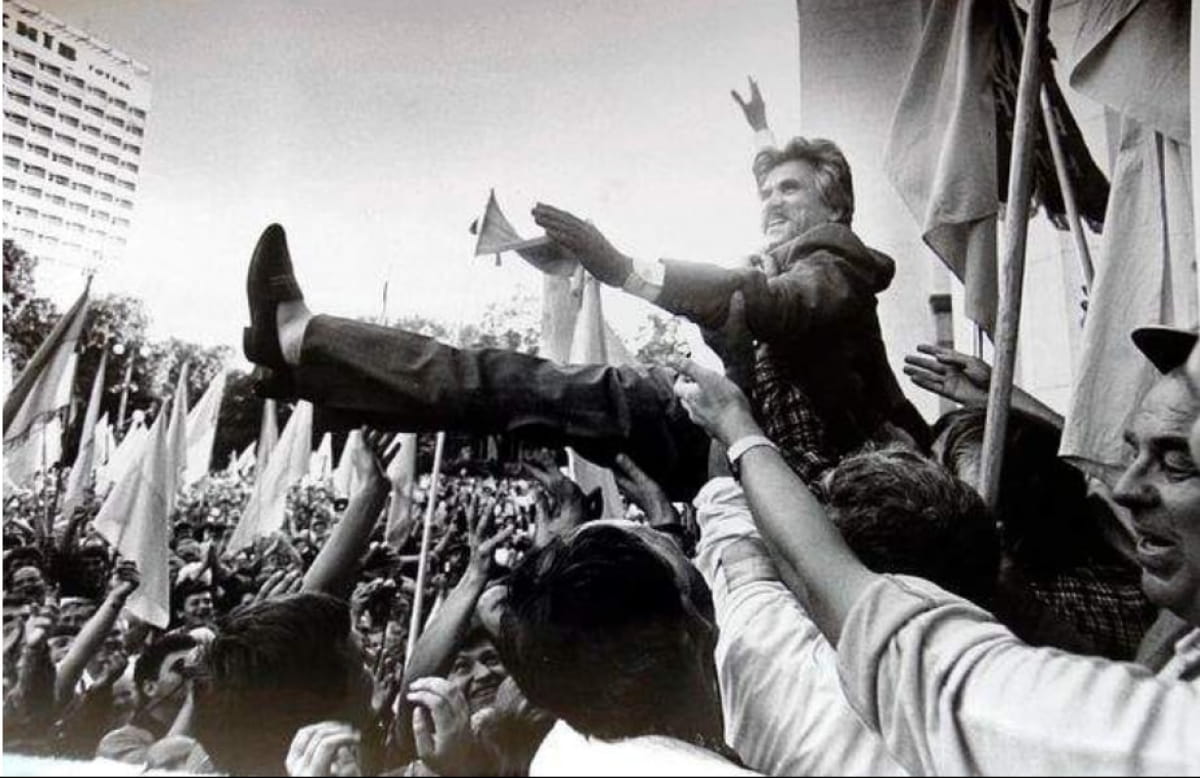
The proclamation of independence was preceded by several important events. In June 1990, Parliament adopted the Declaration on the State Sovereignty of Moldova. Even earlier, in August 1989, the Great National Assembly took place in Chisinau. At that time, tens of thousands of people demanded that Romanian be recognized as the official language and that the Latin alphabet be reinstated.
In the years that followed, Moldova gradually changed its state symbols and legislation. In 1990, a flag with blue, yellow, and red stripes was adopted, along with the national coat of arms. In May 1991, the official name of the republic was changed to the Republic of Moldova. All of this was part of a process that culminated in the declaration of independence on August 27.
What Happened on August 27, 1991
On the day independence was declared, the Moldovan parliament adopted a corresponding declaration. The document affirmed the country’s right to determine its own future and build an independent state.

This decision was the result of a long-standing national movement in the late 1980s and early 1990s. Large crowds took to the streets of Chisinau, advocating for political and cultural change. The Great National Square in the center of the capital became one of the main symbols of that period. Mass rallies were held there, which influenced the country’s political decisions.

Interestingly, Independence Day in Moldova is closely linked to the events of August 27, 1989. Two years before independence was declared, the Great National Assembly took place in that very square. Therefore, August 27 holds not only national but also symbolic significance for Moldovans.
Why This Is an Important Holiday
For Moldova, Independence Day is one of the main national holidays. It symbolizes the country’s ability to independently determine its policies, enact its own laws, and develop without being subordinate to another state. Moldovan government institutions traditionally associate this day with the concepts of freedom, democracy, national unity, and citizens’ responsibility for the country’s future. Government addresses also honor those who participated in the national movement and helped shape an independent Moldova.
Language, culture, and national symbols hold a special place. The return to the Latin alphabet, the recognition of Romanian as the official language, and the adoption of national symbols became important parts of the changes in the late 1980s and early 1990s. That is why, for many Moldovans, Independence Day is not just a day off, but a reminder of the struggle for their own identity.
How Independence Day Is Celebrated
In Chisinau, the celebrations traditionally begin with official ceremonies. Government officials lay flowers at monuments, including the monument to Stefan cel Mare, ruler of the Principality of Moldavia. They also honor the fallen and hold commemorative events at the “Eternity” memorial complex.
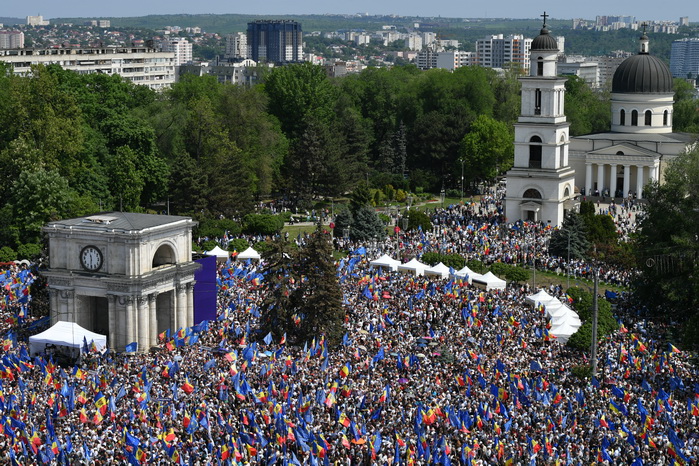
After the official part of the program, cultural and artistic events take place in the capital. These include concerts, musical performances, festive programs, and other open-air events. The Great National Assembly Square usually serves as the central venue for the celebrations.
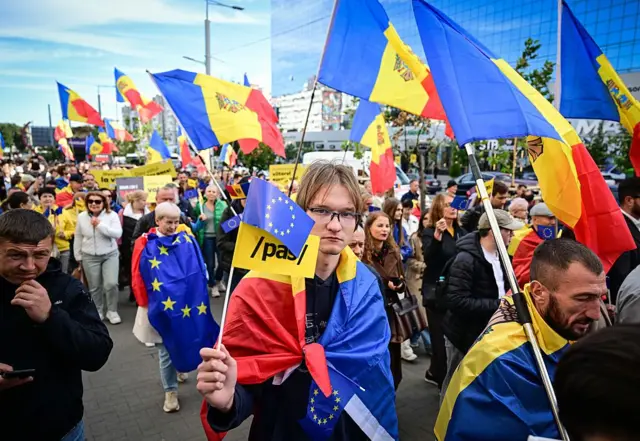
In 2026, the official program will also include large-scale events in the center of Chisinau. According to the Moldovan government, a military parade is scheduled to take place on the square on August 27 at 4:30 p.m. More than 2,000 military personnel and representatives of other law enforcement agencies, as well as over 100 pieces of military and specialized equipment, are expected to participate.
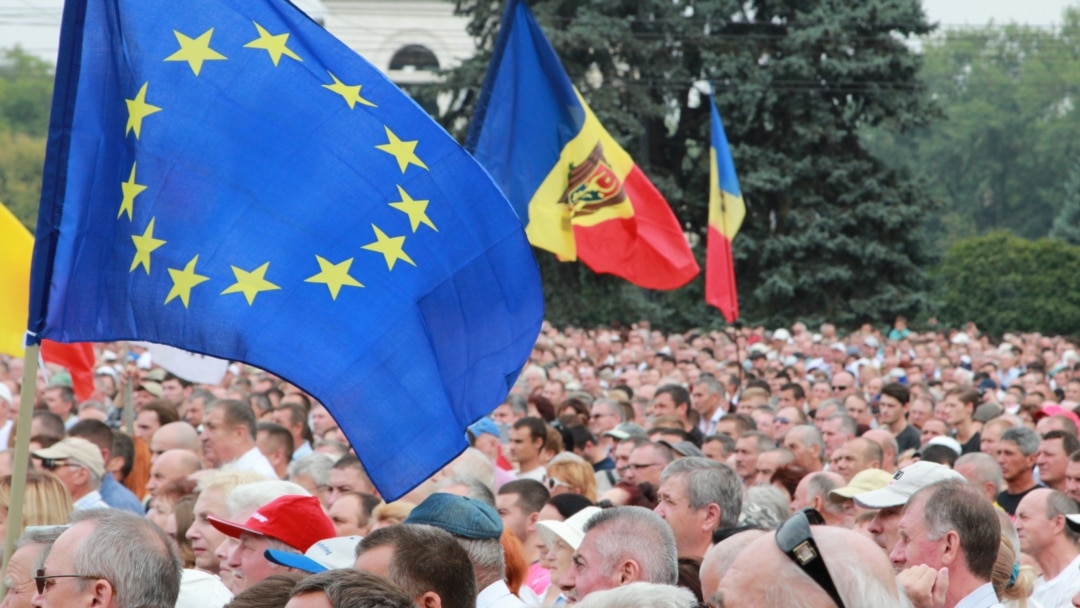
A large festive concert is scheduled to follow the parade. It is set to begin at 6:00 p.m., with Moldovan artists performing on stage. Thus, the official part of the celebration is combined with a large-scale cultural program for residents and visitors to the capital.
Interesting Facts About the Holiday
August 27 is not the only important date for modern Moldova. Just four days later, on August 31, the country celebrates Romanian Language Day. Its history also dates back to the events of 1989, when the Grand National Assembly in Chisinau demanded that the language be recognized as the official language and that the Latin alphabet be reinstated.
Another interesting fact is that Moldova’s independence was proclaimed shortly after the failure of the August coup in Moscow. During this period, the Soviet republics began declaring independence one after another. Moldova became one of them, and on August 27, 1991, its parliament officially ratified this decision.
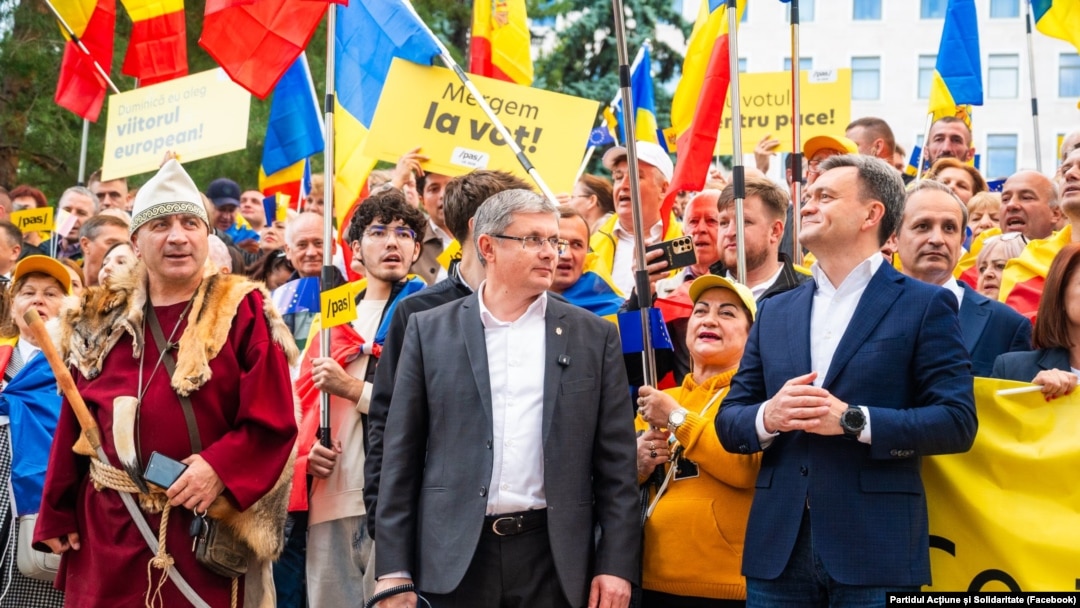
In 2026, the country will celebrate the 35th anniversary of its independence. This anniversary coincides with a time when Moldova continues to undergo significant political and European transformations. Therefore, today’s celebrations have not only historical but also a current political context.
Another distinctive feature of Moldovan celebrations is the combination of official ceremonies with family and city-wide festivities. People attend concerts, stroll through city centers, and visit fairs and cultural events. In the capital, the festive atmosphere traditionally centers around the main square.
What Independence Day Means for Moldova Today
More than three decades after declaring independence, Moldova has traveled a difficult path as a sovereign state. The country has weathered political crises, economic hardships, and the conflict in Transnistria. At the same time, it continues to develop its own state institutions and define its foreign policy. Today, Independence Day is an opportunity for Moldovans to reflect on how the country gained the ability to determine its own future. It is also a day to reflect on freedom, democracy, national culture, and responsibility toward the state. These are the themes most frequently highlighted in the festive addresses delivered by Moldovan officials.
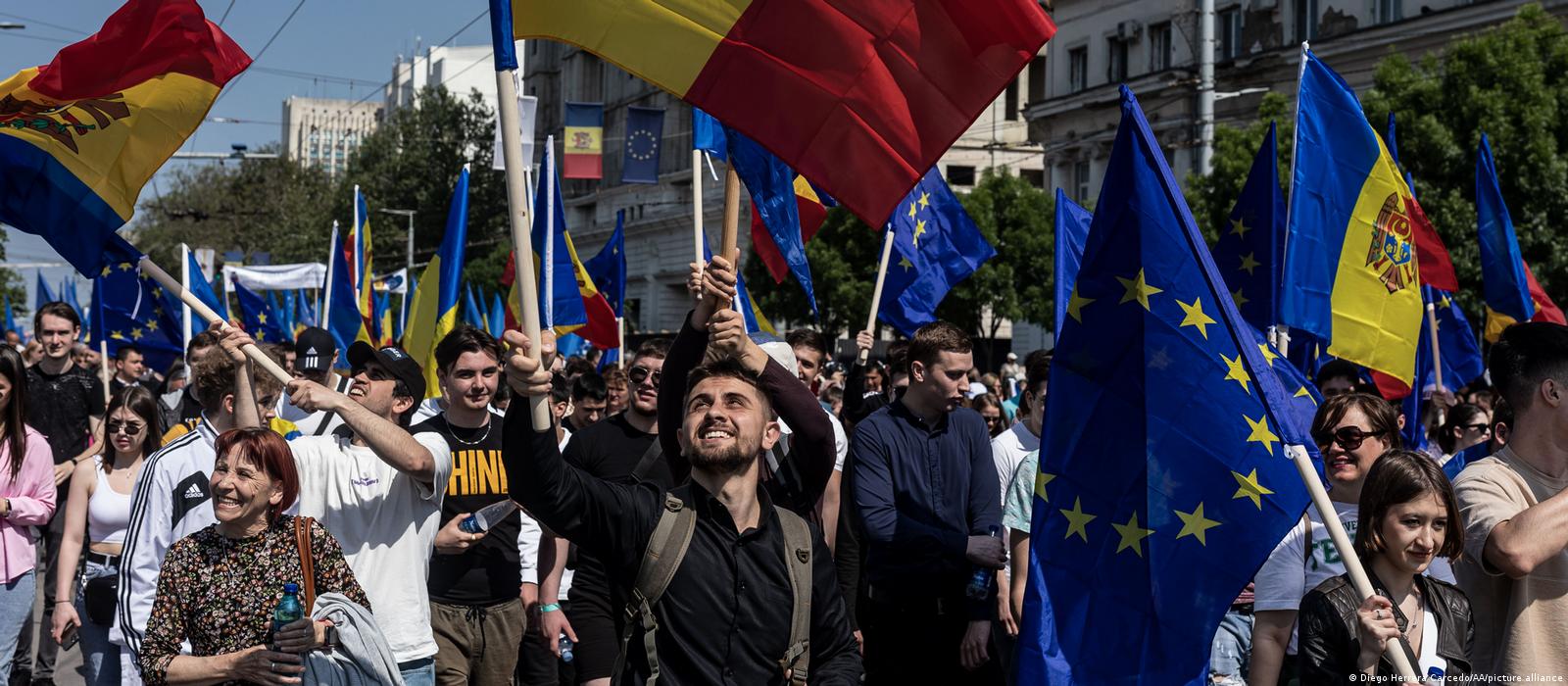
In 2026, Moldova will mark the 35th anniversary of the day the parliament adopted the Declaration of Independence. For the country, this is yet another important anniversary of a historic event that changed its future.


