
El Niño may bring heat and drought to South Africa — Daily Maverick
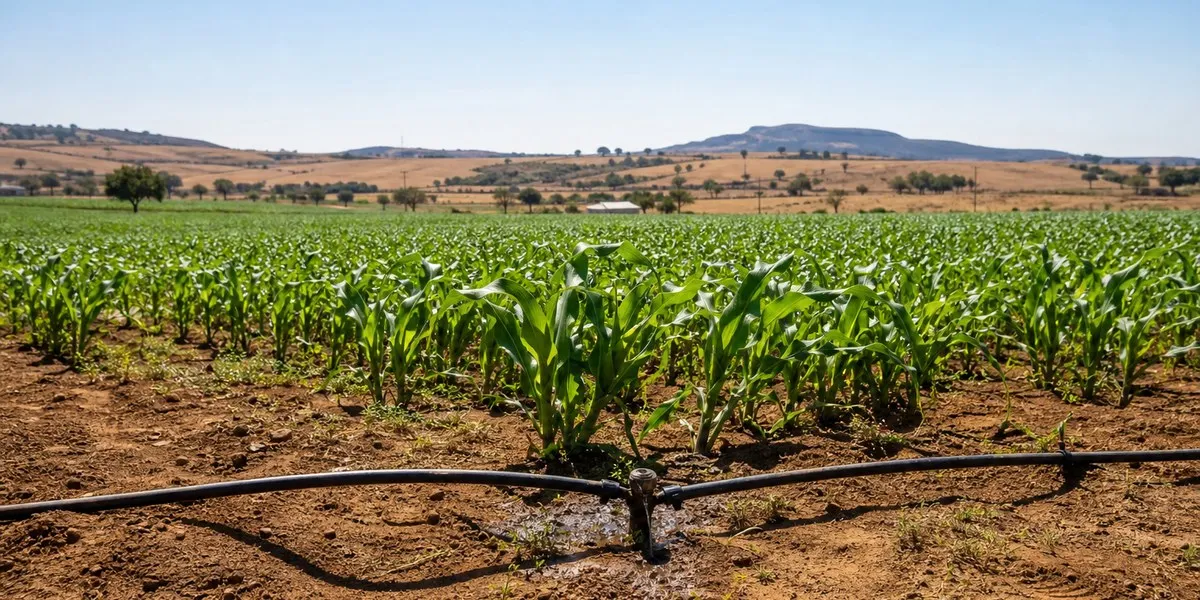
In South Africa, a very strong El Niño could bring drier and hotter conditions in the summer of 2026/27, creating risks for crops, livestock and food prices. As Daily Maverick reports, the World Meteorological Organization estimates the probability of El Niño persisting until February 2027 as close to 100%.
According to The Climate Brink, as of September 15, the El Niño-related sea surface temperature anomaly in the central-eastern equatorial Pacific had intensified to +3.01°C above normal. South Africa’s weather service forecasts that below-normal rainfall and above-normal temperatures will be most likely in most parts of the country from October to December 2026. The service gives a similar forecast for the period from November 2026 to January 2027.
Risks to crops and prices
Ikalafeng Kgakatsi, director for disaster management and climate change at the Department of Agriculture, Land Reform and Rural Development, said El Niño should currently be regarded as a significant risk to production and prices, but not as confirmation of future crop losses or higher food prices.
South Africa enters the 2026/27 marketing period with a relatively strong position in terms of maize supplies. According to the Crop Estimates Committee’s August forecast, the 2026 commercial maize crop was estimated at around 17.4 million tonnes, approximately 4.5% more than in 2025. FNB Commercial senior agricultural economist Paul Makube said the projected closing stock of 5.12 million tonnes as of April 30, 2027, should contain price pressure and the risk of a sharp acceleration in food inflation.
More current news is available on the UA.News Telegram channel Telegram.
At the same time, rain-fed crops, including maize, sunflower, soybeans and potatoes, remain vulnerable to heat and rainfall shortages. High temperatures may accelerate the evaporation of moisture from the soil, reduce yields, contribute to the spread of pests and diseases, and create risks for livestock. Low rainfall may also reduce water levels in reservoirs and lead to irrigation restrictions.
Farmers’ preparations
The ministry advises farmers to monitor monthly seasonal forecasts and recommendations, choose heat- and drought-tolerant varieties, conserve water, and use mulching, water harvesting and drip irrigation. Livestock farmers are advised to avoid overgrazing, use rotational grazing and provide livestock with supplementary feed.
Makube believes consumers will feel a possible increase in food prices only at the end of 2027 if El Niño conditions actually materialize. He also noted that vegetables are mostly grown under irrigation, while elevated water levels in reservoirs could contain their price increases.


