
Pakistani farmers plan march on Islamabad over prices and costs — Dawn
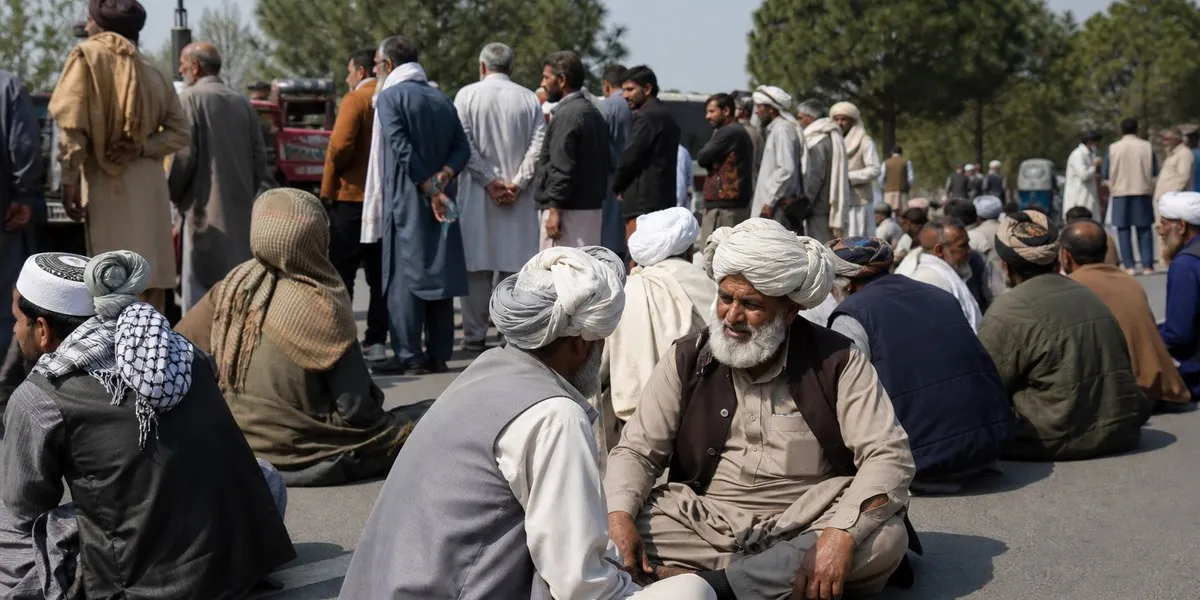
In Pakistan, the farmers’ organization Kissan Ittehad Pakistan is planning a march to Islamabad on the 25th and expects around 20,000 agricultural workers to take part. Participants intend to demand the resignation of the chief minister of Punjab province, payment of arrears to sugarcane producers, and the announcement of a fair wheat procurement policy and minimum price before sowing begins, Dawn reports.
Costs and crop prices
Kissan Ittehad Pakistan President Khalid Hussain Butt said that the movement is funded by the participants themselves and has support in the provinces of Sindh and Balochistan. According to him, farmers’ situation is worsening due to high production costs and low prices for agricultural crops, including wheat and sugarcane.
Pakistan Kissan Ittehad President Khalid Mahmood Khokhar linked the sector’s problems to inconsistent and insufficient agricultural policy, sudden changes in decisions, high input costs, crop prices unfavorable to producers, land resource management problems, and inadequate awareness among officials. He said that the consequences of government miscalculations are felt by farmers, producers, and consumers.
More current news is available on the UA.News Telegram channel Telegram.
Not all organizations support the march
At the same time, Khokhar distanced himself from the planned action, considering it politically motivated rather than focused on the needs of agricultural workers. Sindh Abadgar Ittehad President Nawab Zubair Talpur also said that he supports setting a minimum price for wheat, paying arrears to sugarcane producers, sufficient water supply, and fair crop prices, but does not intend to join extreme forms of protest.
Sindh Abadgar Board President Mahmood Nawaz Shah called the march premature and expressed doubt that it would reduce pressure on agricultural workers. Farmer and writer Khalid Saeed Wattoo drew attention to wheat’s importance for food security: according to him, the crop is grown on approximately 20 million acres. He also criticized differences among provinces in support price and wheat procurement policies, as well as high fertilizer prices.


