
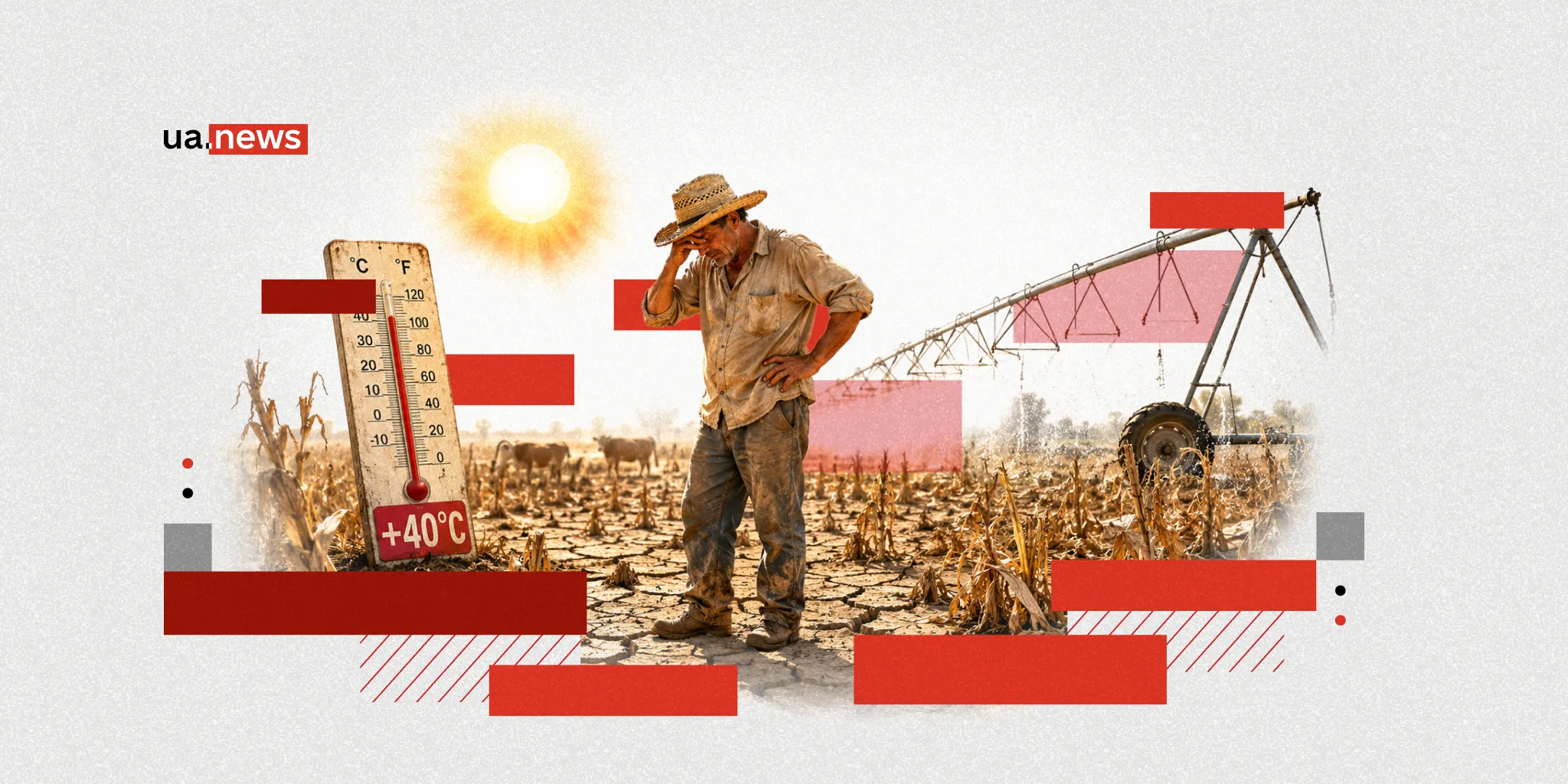
Just a few decades ago, a farmer’s workday began at sunrise. Now, in some parts of the world, it increasingly begins in the middle of the night.
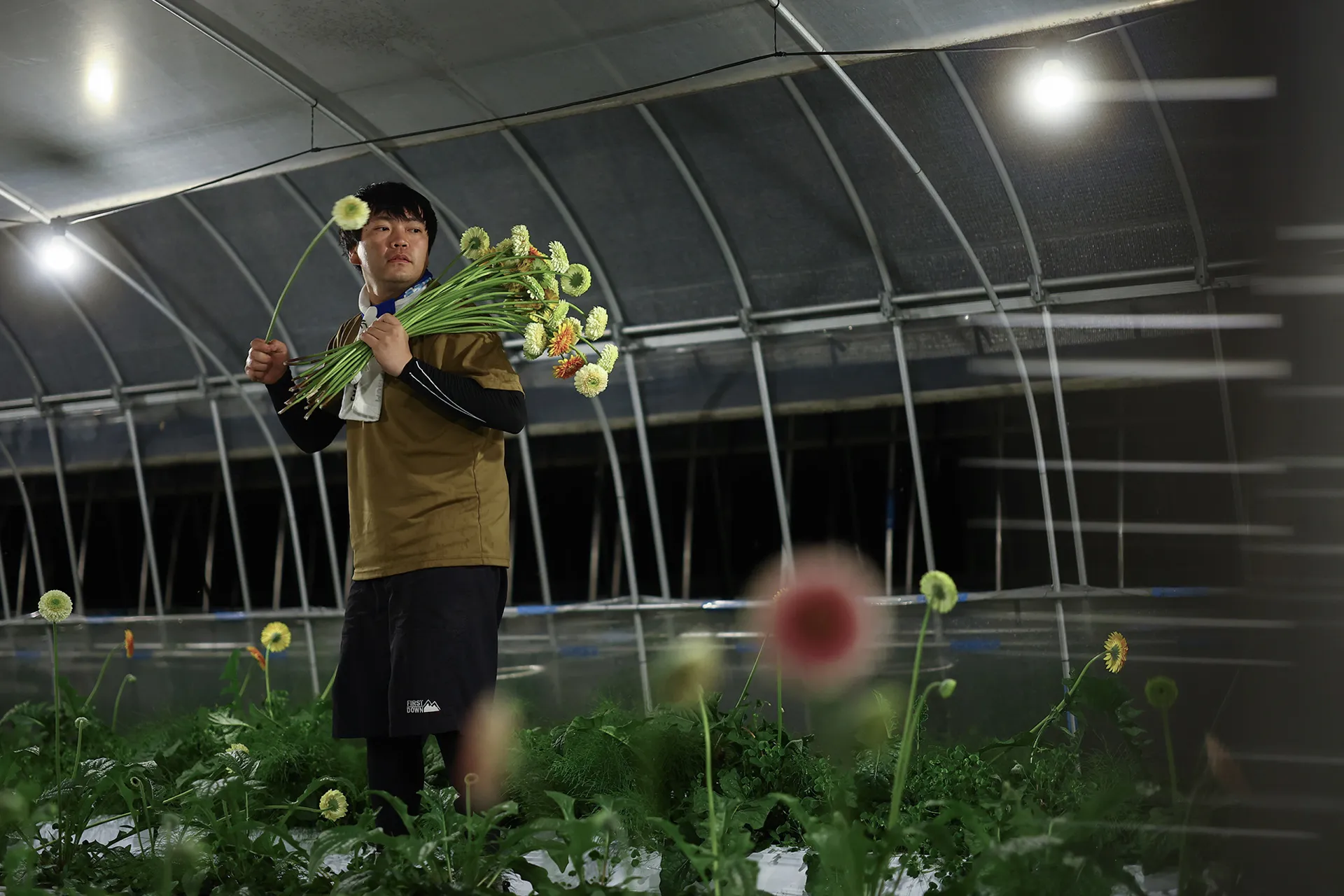
In Japan, farmers are shifting their harvests to early morning and night because it’s becoming dangerous to work in greenhouses during the day. Temperatures inside them can exceed +40°C.
One farmer switched to a night schedule after one of his workers suffered heatstroke. Another, who raises poultry, began “waking up” the chickens around 2:30 a.m. so they could eat before the daytime heat sets in.
In the United Kingdom, due to drought and high temperatures, farmers are facing lower yields, as well as shortages of feed and water. In Southern Europe, the heat is affecting vineyards, olive groves, livestock farming, and beekeeping.
The problem is no longer just that the harvest might be smaller. The very principles of agriculture are changing: when to go out into the fields, what to plant, how much water to store, what animals to raise, and even what the soil should be like.
UA.News explains how the extreme heat is changing farming, why a single watering is no longer enough, and what agriculture might look like amid rising temperatures.
When It Gets Too Hot for Plants, Too
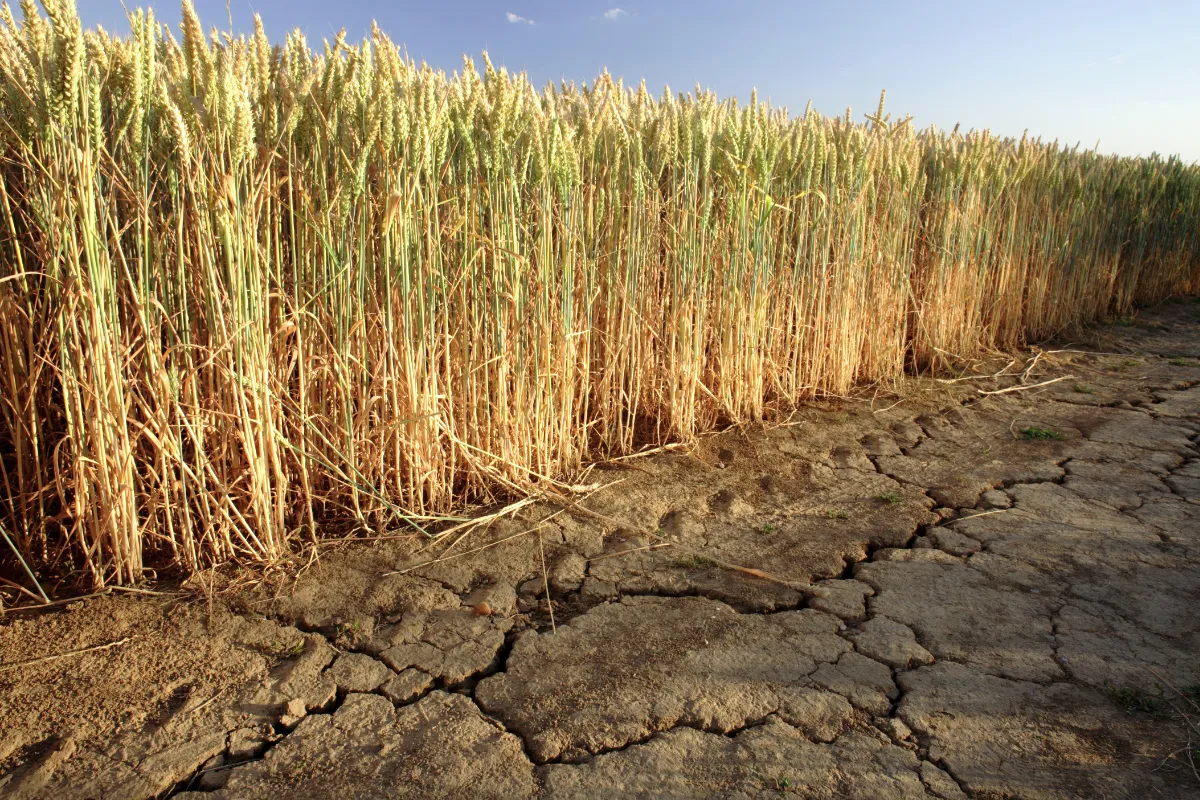
Plants need heat, but only up to a certain point. Rising temperatures accelerate their development: crops progress through growth stages more quickly, bloom earlier, and ripen sooner. At first glance, this may seem like an advantage, but overly rapid development often means less time for grains or fruits to form.
According to the FAO, for many major crops, a noticeable decline in productivity begins at temperatures around +30°C, although the specific threshold depends on the plant species and stage of development. Potatoes and barley, for example, can experience heat stress even at lower temperatures.
Heat is particularly dangerous during flowering. High temperatures can impair pollen viability and pollination. As a result, the field may look normal on the surface, but the number of grains in an ear or fruits on a plant will already be lower.
The second critical stage is grain filling. The hotter it is, the faster the crop completes its growth cycle. Wheat simply doesn’t have time to form large grains. That’s why a few very hot days at the wrong time can sometimes cause more damage than a prolonged warm period at another stage.
Water stress compounds the temperature issue. When the heat persists for a long time, the plant intensively evaporates moisture, and the soil dries out faster. This creates a double stress: water becomes scarcer precisely when it is needed most.
Watering alone no longer solves the problem
The most obvious response to heat is to give plants more water. However, this is where farmers face another problem: during periods of extreme heat, water becomes scarce not only in the fields.
A telling example this summer is England. As of mid-August, 71% of England was classified as being in a state of drought, and water levels in reservoirs had dropped to 65.9%, well below the seasonal average. More than 27 million people were subject to various water use restrictions. At the same time, more than 1,500 restrictions on water withdrawal for agricultural purposes were in effect.
In other words, a farmer may have an irrigation system, pumps, and equipment—but that does not mean he will have the right or the physical ability to draw the necessary amount of water from a river or well.
In August, the British government allocated an additional £65 million to support farmers affected by the drought and began simplifying regulations governing the use of water and pastureland.
As a result, on-farm ponds and reservoirs, drip irrigation, water reuse, and automatic soil moisture sensors are becoming increasingly important. The challenge is no longer simply to “water more,” but to use every cubic meter of water as efficiently as possible.
Farming is shifting to night shifts
But even if crops can be watered, there’s still a person who has to work in the field.
Agriculture is one of the sectors most vulnerable to heat stress, since a significant portion of the work is done outdoors. According to estimates by the International Labor Organization, the agricultural sector alone could account for about 60% of all working hours lost worldwide due to heat stress by 2030.
The WHO and the World Meteorological Organization note that physical labor productivity under heat stress drops significantly as temperatures rise. This is not just a matter of discomfort: overheating can lead to dehydration, exhaustion, kidney problems, loss of consciousness, and heatstroke.
In Japan, this problem is particularly acute due to demographic factors: about 70% of the country’s farmers are 65 years old or older. In 2024, 59 agricultural workers died from heat-related causes—twice as many as in 2021.
Therefore, night work may become not just a temporary solution, but the new normal. Harvesting vegetables and fruits—at dawn. Working in greenhouses—at night. The most strenuous fieldwork—before the sun rises high in the sky.
And then automation comes into play. Robotic tractors, autonomous sprayers, drones, and harvesters have another advantage that has rarely been mentioned before: machines are not at risk of heatstroke.
The heat affects not only plants but also animals
For livestock farms, temperature can be just as much of a problem as it is for crop farming.
According to FAO estimates, signs of heat stress can begin to appear in many common farm animal species at temperatures as low as approximately +25°C. Pigs and poultry have a particularly hard time tolerating the heat, as their ability to cool their bodies naturally is limited.
During a heatwave, cows begin to eat less, drink more, and expend energy not on milk production but on cooling their bodies. As a result, milk production decreases, and reproductive performance may deteriorate.

That is why modern farms are increasingly equipped with large fans, misting systems, additional shade structures, automatic cooling systems, and specialized feeding schedules. Even the times when animals are fed are changing. If a chicken or cow barely eats during the hottest hours of the day, a significant portion of the feed can be given at night or early in the morning.
But all of this costs money. Ventilation requires electricity, cooling requires water, and backup systems require investment. Therefore, the heat is gradually increasing the cost of production not only for grain and vegetables but also for milk, meat, and eggs.
The soil becomes the main “reservoir” of water
Another approach to adaptation may seem less technologically advanced, but it could prove just as important.
In the United Kingdom, against the backdrop of this year’s heatwave, so-called regenerative agriculture is attracting increasing attention. Farmers are using mixtures of grasses, legumes, and other crops, reducing intensive tillage, leaving plant residues on the surface, and trying to increase the amount of organic matter in the soil.
The logic is simple: healthy soil absorbs water better during rain and loses it more slowly during droughts.
One British farmer, featured in a Reuters report, hasn’t had to buy additional winter feed for his livestock for eight years thanks to more resilient pastures. His fields contain not just one type of grass, but a mixture of grasses, legumes, and plants with deep root systems. When the topsoil dries out, some of these plants can draw moisture from deeper layers.
What we grow will also change
If a region’s climate changes faster than agricultural technologies can compensate for it, farmers have one other option—to switch crops.
This process is already underway. Plants that were once considered typical of more southern regions are gradually moving northward. At the same time, crops that require cooler and wetter summers may lose some of their traditional growing areas.

For plant breeders, one of the main challenges is developing varieties capable of withstanding short periods of extreme heat, going longer without water, and recovering more quickly from stress.
This does not necessarily mean completely abandoning wheat, corn, or potatoes. More often, sowing dates, varieties, and crop mixtures will change. A farmer might, for example, sow earlier so that flowering occurs before the hottest part of summer.
In fact, the calendar that farmers have followed for decades is no longer set in stone.
What This Means for Ukraine
This issue is particularly important for Ukraine. Agriculture remains one of the key sectors of the economy, and millions of hectares of cropland are located in the steppe and forest-steppe zones, where water scarcity has traditionally been one of the main risks.
At the same time, the 2026 growing season demonstrated once again that the problem lies not only in the heat. Spring turned out to be abnormally cold with severe frosts, after which weather conditions changed rapidly.
More than 20 million hectares of grain and oilseed crops were planted in Ukraine for the 2026 harvest. The largest areas were planted with corn—approximately 4.37 million hectares—and sunflowers—4.86 million hectares. In early summer, the government expected the total grain and oilseed harvest to reach 81–83 million metric tons.
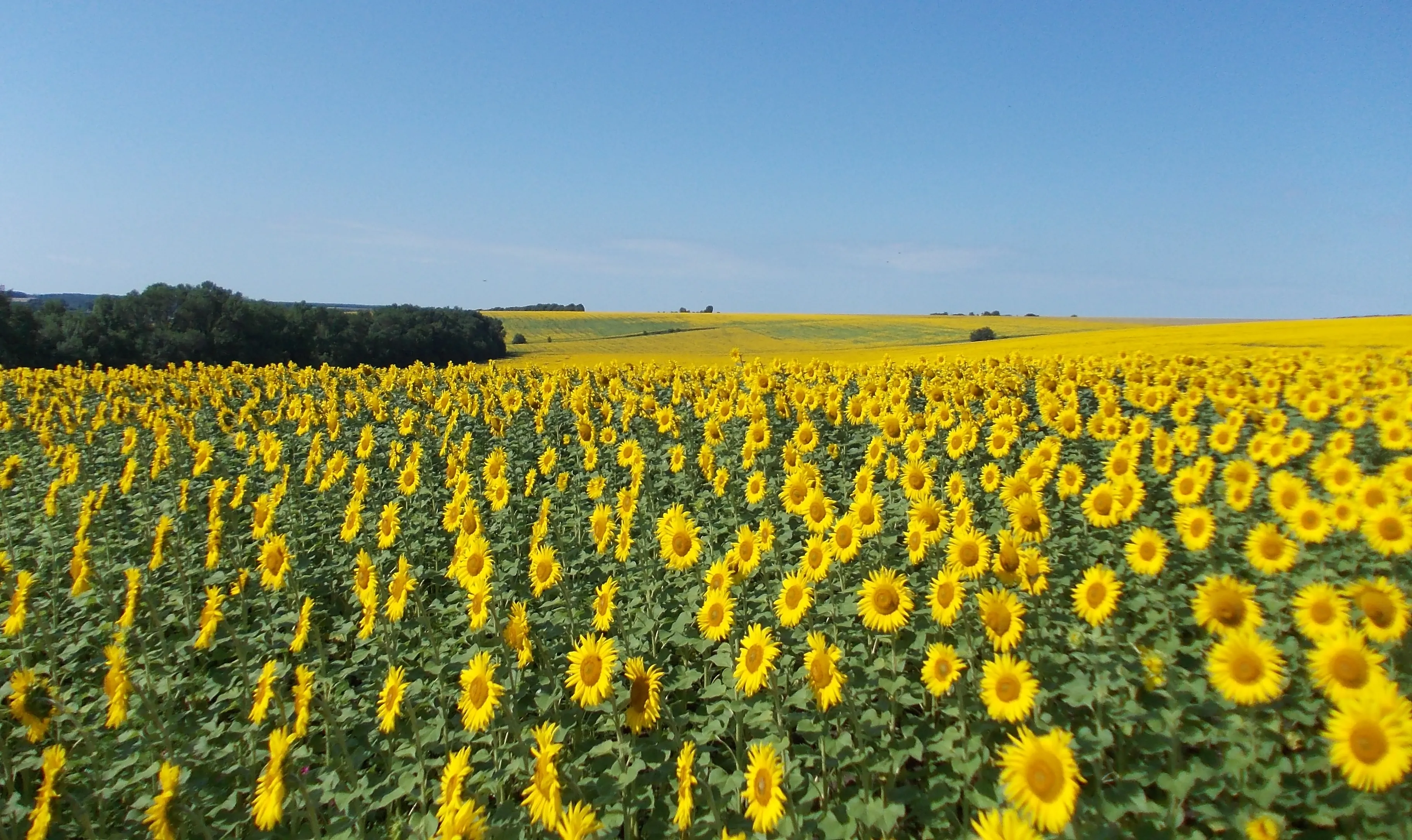
The Ukrainian Hydrometeorological Center, meanwhile, forecast an average sunflower yield of about 24.5 centners per hectare and highlighted how much the crop’s development depends on temperature and soil moisture reserves.
For Ukraine, adaptation will mean paying closer attention to accumulating winter and spring moisture, restoring and modernizing irrigation systems in the south, adopting drought-resistant varieties, making changes to crop rotations, and improving weather forecasting.
At the same time, the war makes the task significantly more difficult. Farmers must simultaneously invest in adapting to weather conditions while operating amid landmines, unstable logistics, shelling, and export risks. In August, Russian attacks and the blockade of Black Sea logistics once again drastically complicated the export of Ukrainian grain.
In other words, climate risk for Ukrainian farmers is compounded by military and economic risks.
Most likely, the heat will not destroy agriculture. People have been growing food in arid regions for thousands of years and have constantly adapted to new conditions. But the cost of adaptation will rise.
The farm of the future may operate very differently from the farm of twenty years ago.
Some of the work will be done at night. Irrigation will be triggered not by a schedule, but by sensor data. Drones will scan fields to identify areas where plants are the first to experience water stress. Livestock facilities will be equipped with cooling systems. Farms will build reservoirs to store water, and plant breeders will seek out varieties capable of surviving several days of extreme temperatures without a sharp drop in yield.
At the same time, farmers will have to adjust soil conditions, crop rotation, and even their usual mix of crops.
The heat, therefore, affects more than just the amount of grain a farmer will harvest in the fall. It changes the very logic of agriculture.


