
Ghana abolishes 20% excise duty on locally produced fruit juices — MyJoyOnline
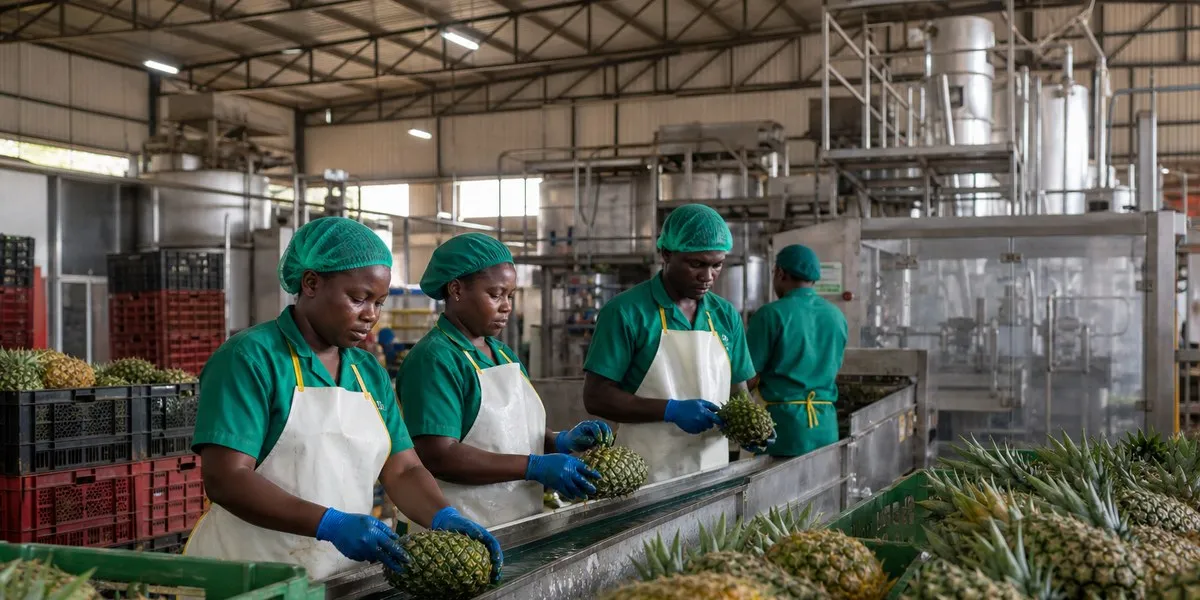
Ghana has abolished the 20% excise duty on locally produced fruit juices. President John Dramani Mahama, while signing the Excise Duty Act 2026, called the exemption an incentive for local production. As MyJoyOnline reports, the decision is part of a broader policy aimed at developing agro-processing and exports.
Benefits for the processing industry
Industry associations in Ekumfi and Asebu welcomed the decision by the government and Finance Minister Cassiel Ato Forson. According to them, the excise duty had restrained investment in the production of juices from pineapples, papayas, citrus fruits, passion fruit, ginger and coconuts.
Abolishing the duty could improve the economics of processing for companies such as Ekumfi Fruits and Juices. If plants become more competitive and increase fruit purchases, this could raise demand for nurseries, irrigation, packaging, transportation and distribution.
More current news is available on the UA.News Telegram channel Telegram.
Round-the-clock production and exports
The authorities are also implementing a 24-hour economy and accelerated export development programme designed to increase production, employment and exports. President Mahama said that businesses registered under the initiative will be able to import equipment for expansion or modernisation without paying duties and taxes. The programme also provides tax incentives for multi-shift production.
According to an estimate cited in the report, Ghana's agro-industrial potential — from cocoa and pineapples to rubber, shea, avocados, coconuts, oil palm, millet and tiger nuts — could exceed $9 billion a year. With supply chains from cultivation to processing, logistics and exports operating at sufficient scale, they could potentially provide more than 800,000 direct, indirect and related jobs.
To implement such plans, the outlet notes, long-term financing, stable supplies of raw materials and proven demand in domestic and foreign markets are needed. On September 17, the Bank of Ghana said inflation had returned to the target range, external reserves had strengthened and the exchange rate had remained generally stable, although the cost of borrowing is still a constraint for businesses.


