
Australian sugar mill seeks loan of up to $9 million — ABC News Australia
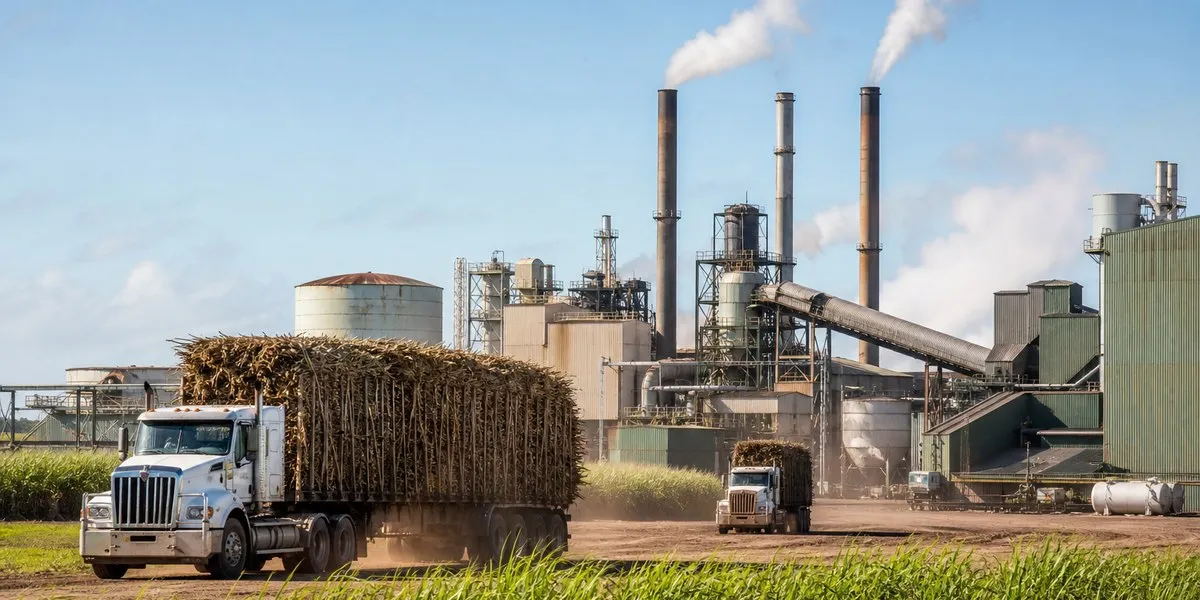
In Australia, Isis Central Sugar Mill, the country's last sugar mill owned by cane growers, is seeking a loan of up to $9 million from the Queensland state government to continue operating. The facility is located about a four-hour drive north of Brisbane and has been processing sugar cane for 129 years. This was reported by ABC News Australia.
Financial pressure and breakdowns
The mill's board of directors said it had reached an in-principle agreement with the Queensland authorities on a loan capped at $9 million. The funds are expected to cover costs until September 2027, shortly before the end of the annual cane processing season.
The 2026 season was complicated by mechanical breakdowns. One of the mill's two boilers was out of operation for five weeks, reducing processing rates. The facility plans to process just under 1.2 million tonnes of cane, but was 51,000 tonnes behind schedule two months before the end of the season.
More current news is available on the UA.News Telegram channel Telegram.
Isis Central Sugar Mill chief executive Simon Brooks said the stoppages had affected the facility's financial position, but the main pressure was linked to global sugar price conditions. He also wants the federal government to match possible state support. According to Brooks, the mill is considering diversifying its operations and creating a bioenergy complex next to the facility.
Importance for farmers
During the season, the mill employs 250 workers and supports more than 1,500 jobs in the supply chain. About 200 farmers from the Fraser Coast and North Burnett regions supply cane to the facility. After the local mill in Maryborough closed in 2020, Isis Central Sugar Mill began accepting cane from that area, increasing processing volumes by 50%.
Transport is among the significant expenses: about 100 truck trips are needed daily to deliver cane from Maryborough to rail transfer stations. Queensland Minister for Primary Industries Tony Perrett confirmed that loan negotiations are continuing. The funding details are still being agreed, but the loan is expected to be granted for three years; one possible repayment option could be a levy paid by cane growers.


