
In Sonora, Mexico, a parasite has been detected in cattle for the first time in 46 years
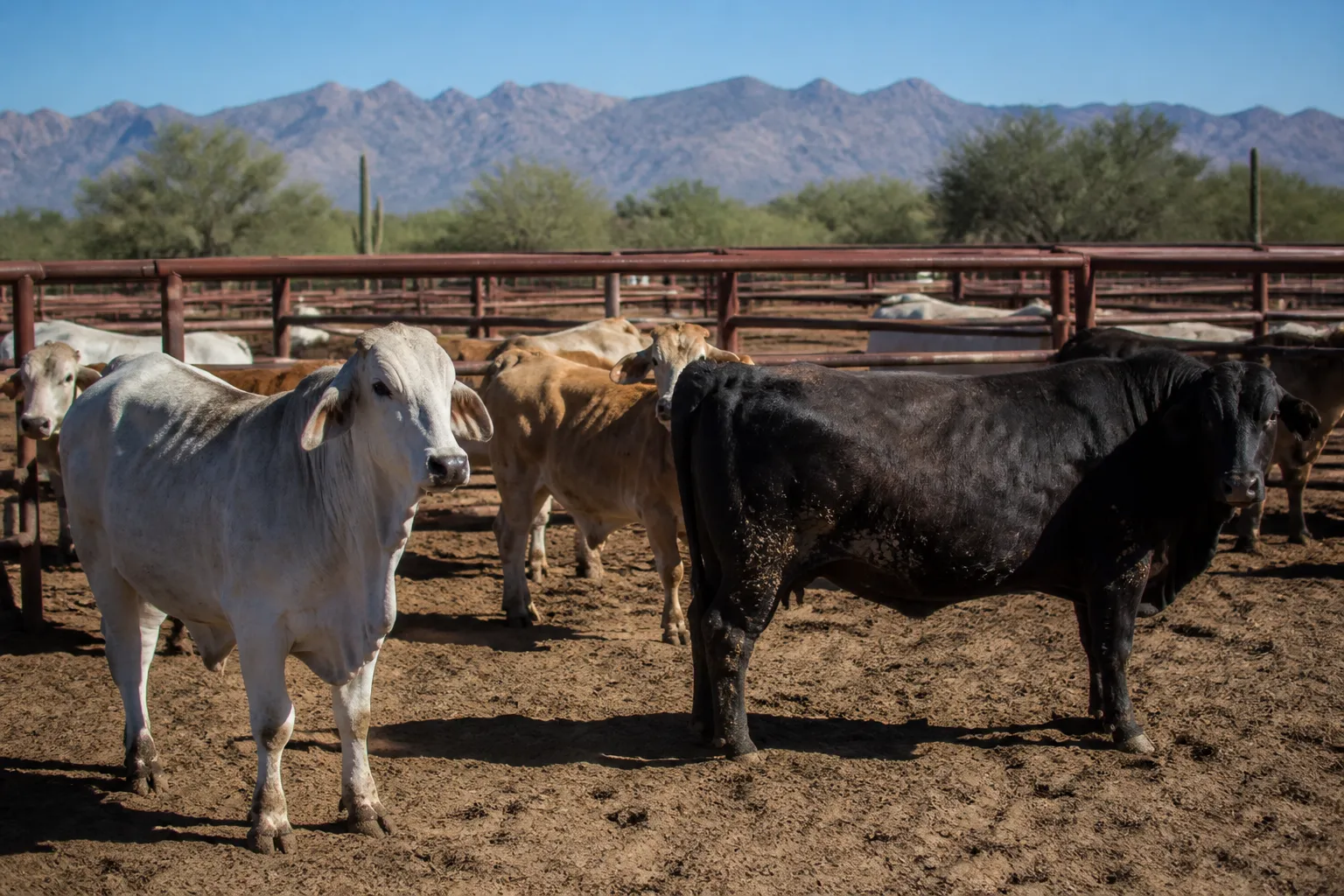
The Mexican Veterinary Safety Service (Senasica) has confirmed the detection of the screwworm parasite in cattle in the town of Muníuas, in the municipality of Alamos in southern Sonora. This is the first recorded case in the state since May 1980. The discovery was reported on August 19—a few days before the planned phased resumption of Mexican livestock exports to the United States via the Agua Prieta–Douglas border crossing.
The outbreak is located approximately 17 kilometers from the border with the state of Chihuahua. Sonora authorities have established a 20-kilometer sanitary zone around the site of the detection, released 360,000 sterile flies, and begun preventive treatment of the animals. Doramectin is being used on adult livestock, and the umbilical cords of newborn calves are being treated with a topical medication.
The larvae of the New World screwworm feed on the living tissues of warm-blooded animals. Sterile males are used to combat the parasite: after mating with them, wild females are unable to produce offspring. In Mexico, sterile flies are produced by a facility in Metapa de Domínguez, in the state of Chiapas. It began operations by producing 28 million flies per week and plans to increase production to 100 million by the end of the year.
For more breaking news, follow the UA.News Telegram channel.
Prior to this, Sonora and Chihuahua were considered the states with the lowest risk for resuming livestock shipments to the U.S. The U.S. Department of Agriculture took into account inspection programs and the distance of these states from the southern areas where the parasite is prevalent. According to The Rio Times, as of August 20, the resumption of Mexican livestock imports via Agua Prieta–Douglas was scheduled for August 24; however, the final decision rests with the U.S. agency.
According to Senasica, during epidemiological week No. 33 in Mexico, there were 1,969 active cases, compared to 1,818 on August 8. The National Confederation of Livestock Organizations of Mexico expected that, once shipments through Sonora resumed, exports would initially total about 700 head of cattle per day, and later 1,300–1,500. Before the border closure, the annual volume of this trade was approximately 1.26 million head.


