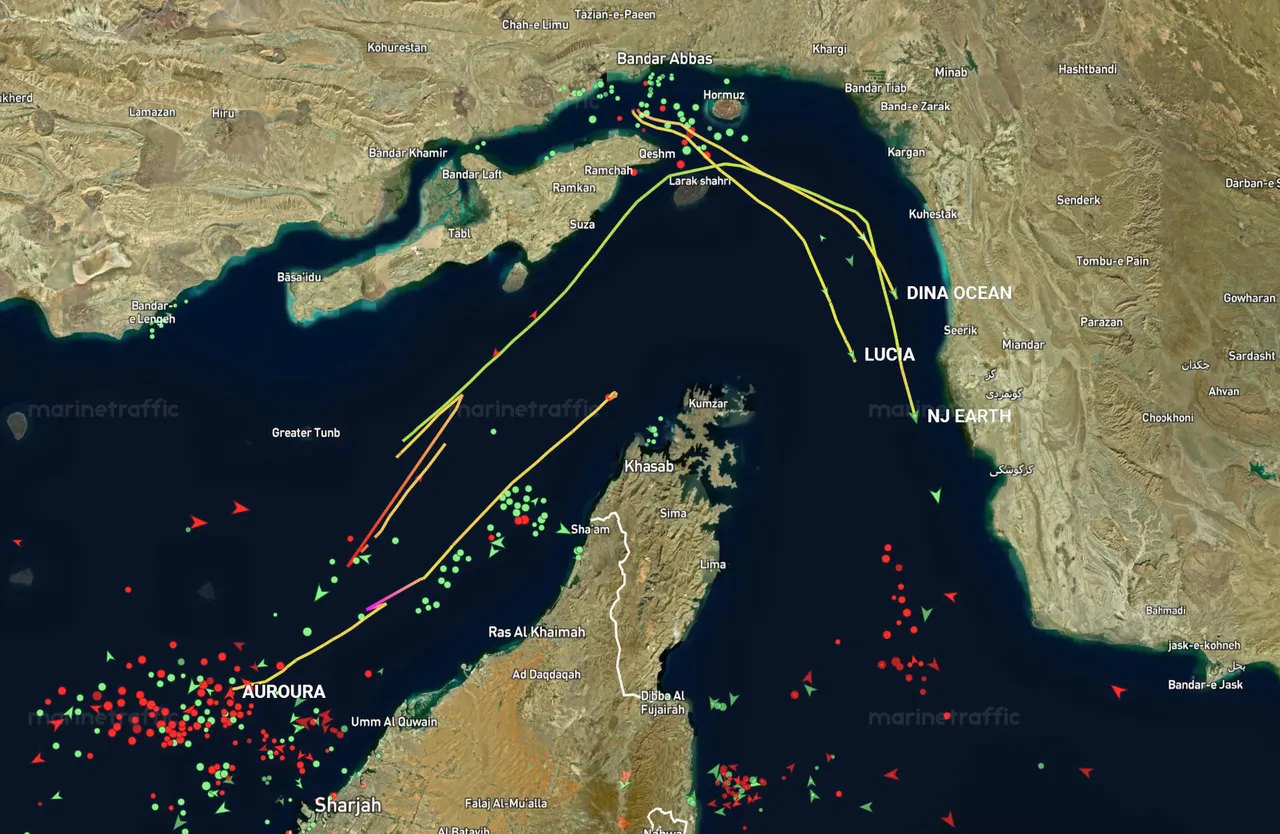
Since the imposition of the so-called U.S. “blockade,” dozens of vessels of various types have already passed through the Strait of Hormuz. These include 14 tankers carrying oil, gas, and chemical products, 13 container and cargo ships, as well as four bulk carriers. Overall, some of these vessels are on U.S. sanctions lists. According to analysts, seven of them departed from Iranian ports and have already crossed the strait, despite heightened controls.
The breakdown by ownership is also telling: seven vessels are linked to Chinese companies, six to Iranian ones, and four more to companies from the United Arab Emirates. This underscores the complexity of trade routes in the region even under political pressure.
These figures contradict statements by U.S. Central Command, which claimed that no vessel was able to pass U.S. forces during the first 48 hours after the restrictions were imposed.
Separately, other analysts, including TankerTrackers, reported that Iran continued to export oil and shipped approximately nine million barrels of crude oil during this period. This further complicates the picture of the restrictions’ actual effectiveness.
The Strait of Hormuz remains one of the world’s key oil and gas supply routes, and any restrictions on traffic there immediately affect global energy markets. So far, however, data from various sources indicate not a complete blockade, but rather partial and controlled vessel traffic, despite political statements.
U.S. Defense Secretary Pete Hagset also stated that American troops in the Middle East are ready to resume combat operations if Iran does not agree to a peace deal.
As a result of the Israeli strike, the Qasimiyeh Bridge, which connected southern and northern Lebanon, was severely damaged. This has complicated the delivery of humanitarian aid and effectively cut off part of the population.
The U.S. stated that it would use force against ships attempting to circumvent the blockade of Iran.
Israel stated that it had eliminated two armed individuals in the northern part of the Gaza Strip.
At least two Iranian tankers managed to pass through the Strait of Hormuz, likely using a detour route despite U.S. surveillance.
Iran estimates the damage from U.S. and Israeli bombings at $270 billion and is demanding compensation from five Arab countries
Iran promises to respond to the blockade of its ports by blocking the Red Sea