
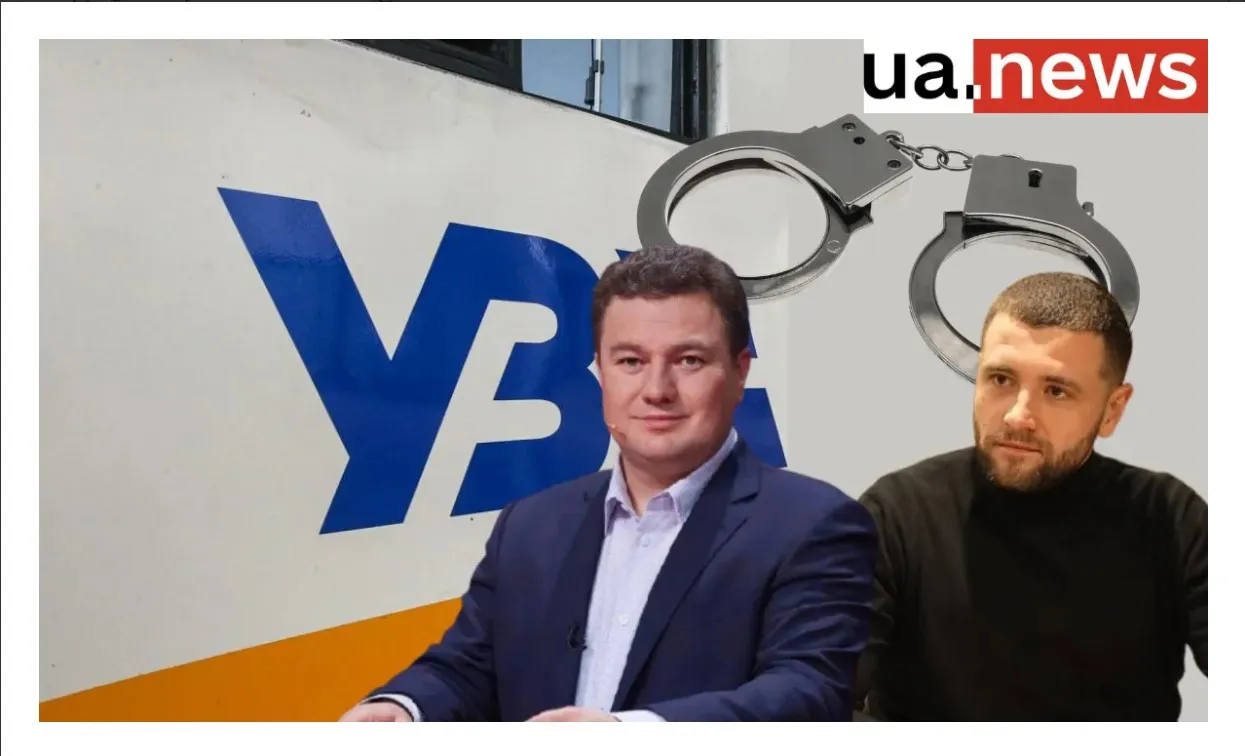
Another court hearing was held in the case involving Artem Shil, a former special advisor to the Office of the President, and Viktor Bondar, a former member of parliament. For over an hour, the judges of the High Anti-Corruption Court, with the active participation of attorneys and prosecutors, deliberated on whether to consolidate four separate proceedings into a single mega-case.
As a reminder, this concerns a large-scale corruption scheme at JSC “Ukrzaliznytsia,” where NABU and SAPO suspect former freelance advisor to the President’s Office Artem Shil, former MP Viktor Bondar, and a group of officials of embezzling funds through procurement. Overall, the investigation identifies three key episodes:
- Cable Scam: According to investigators, in 2021, Viktor Bondar, together with businessman Volodymyr Kotlyar, organized the supply of products at inflated prices. Artem Shilo allegedly facilitated the conclusion of contracts worth over 100 million UAH, and part of the profit (about 12 million UAH) was transferred to accounts of affiliated companies. Ukrzaliznytsia’s total losses in this area are estimated at 140 million UAH.
- Transformers and the “Belarusian connection”: The second episode concerns procurements in 2022. The investigation claims that Artem Shilo created a group that lobbied for the victory of the firm “Uzelektro.” Despite the fact that its controlling shareholder was a Belarusian citizen with ties to Russia, Shilo initiated the sending of a letter to Ukrzaliznytsia titled “Regarding Threats to National Security,” which served as the basis for rejecting more advantageous bids.As a result, the transformers were purchased through a Bulgarian “front company” in Uzbekistan and resold to UZ at double the price, causing losses of 94.8 million UAH.
- Money laundering and luxury real estate: The third episode concerns the “laundering” of over 159 million UAH. The money was funneled through accounts of front people and a network of 365 STUDIO beauty salons under the guise of payment for services. These belong to Shilo’s wife. Iryna Shilo started her business with a small nail salon. After marrying Artem, her business expanded significantly. New salons with modern equipment opened during the COVID-19 pandemic, when it was difficult for entrepreneurs to run their businesses. Various vehicles and real estate worth several million U.S. dollars were registered to this businesswoman. It later came to light that Iryna Shylo purchased luxury real estate in Dubai for $4 million.
Artem Shilo himself is accused of purchasing two apartments in Kyiv at a significantly below-market price (3 million UAH each, while the market value was over 9 million UAH per unit).
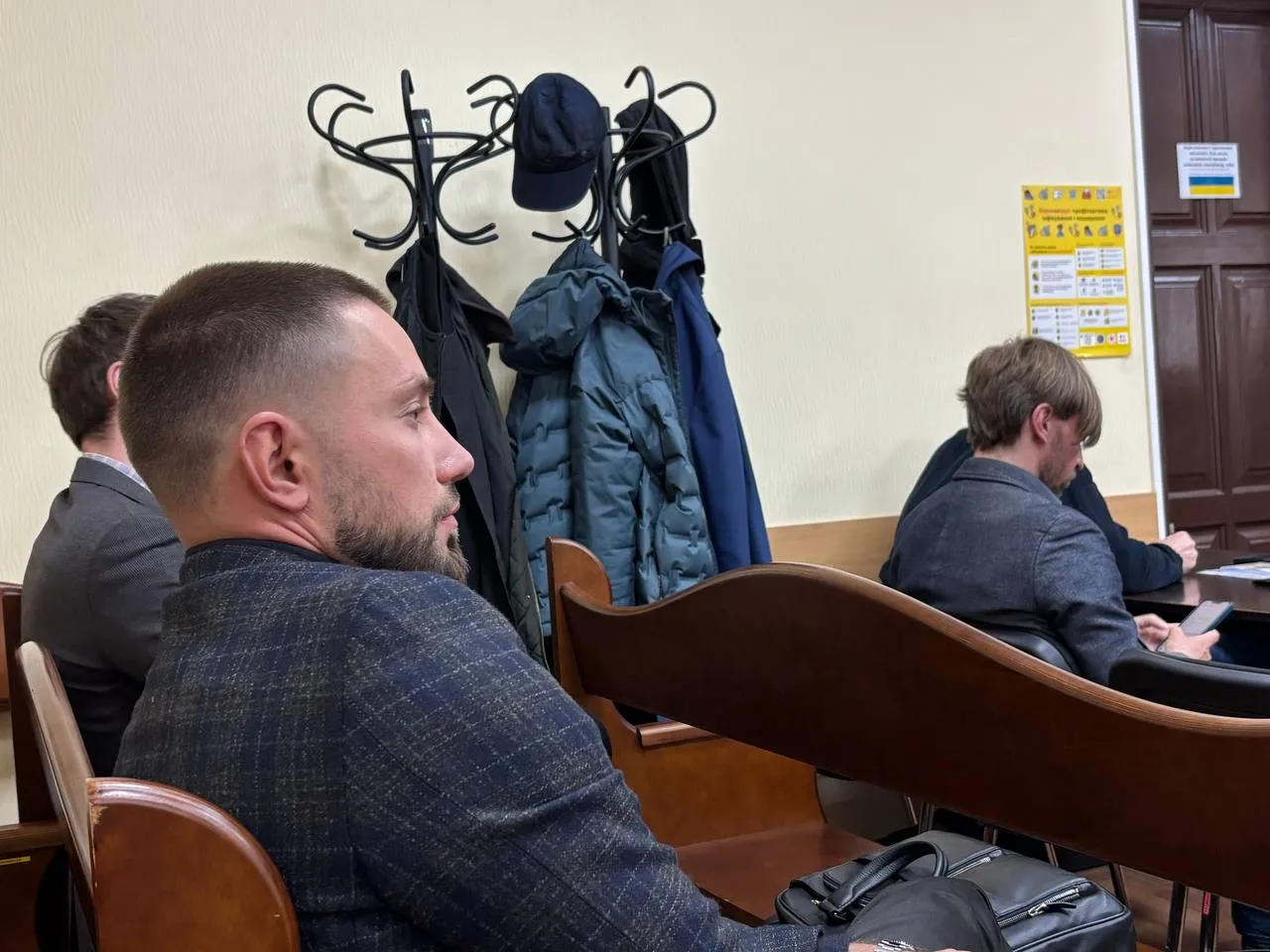
Currently, there are 15 suspects in the case, including UZ Deputy Director Oleksandr Shevchenko, official Oleksiy Onysymyuk, and businessman Ihor Butanov. The main suspect’s actions are classified as embezzlement on an especially large scale and money laundering (Part 5 of Article 191, Part 2 of Article 209 of the Criminal Code of Ukraine).
What the cases are about
Before proceeding to the discussion, the judge read out the essence of the four cases, which are currently being consolidated into one:
Case No. 423 (Main): Regarding a bribe in the form of a Toyota Camry for Oleksiy Onysymyuk, first deputy director of the UZ branch, from businessmen Ihor Butanov and Andriy Onyschenko. Plus the legalization of assets (apartments, cars).
Case No. 92: Abuse of power in the procurement of cables at inflated prices.
Case No. 169: The very same transformers used to defraud the state of 95 million UAH.
Case No. 244: Procurement of paint, linoleum, and enamel.
Butanov’s Emotions
The main defendant, Ihor Butanov, refused to discuss the consolidation of proceedings until he is allowed to challenge the prosecutors.
“I don’t want to see these people in the courtroom. Prosecutor Kedruk has been trying for two years to ‘marry’ me to this case, turning the court into a marriage agency. The state is simply mocking me. How can I think about consolidation when my right to defense has been trampled, and my two lawyers have different positions that aren’t coordinated with each other?” Butanov said emotionally.
However, Judge Oliinyk responded rather calmly to the allegations of violations of the right to recusal: “First, let’s determine the composition of the court and the group of prosecutors through consolidation, and only then will you file recusals. Are you in a hurry to get somewhere?”
After the prosecutors spoke, the defense took the floor. The main discussion centered on whether the new cases were independent or simply fragmented parts of a single whole.
Statement by Attorney Slobodyanik
Defense attorney Slobodyanik (representing Butanov and Shevchenko) accused the prosecution of manipulating the investigation timelines. The attorney claims that the investigation artificially split the cases to “reset” the pre-trial investigation deadlines, which had already expired. In his view, only by combining the cases will the court be able to see the true picture of the violations. The lawyer also pointed out a legal paradox. In one case, the same individuals allegedly acted separately (bribery), while in another—as an “organized group” (theft involving transformers).
“The court will not be able to assess the group’s cohesion if the episodes are scattered across different courtrooms. How can a group be tried for one crime without seeing the other?” he argued. But the main shortcoming is the absence of “organizer” Artem Shil in the case against Shevchenko, and it is precisely this, in the lawyer’s opinion, that renders the trial incomplete.
Attorney Oliynyk: A Procedural Bombshell
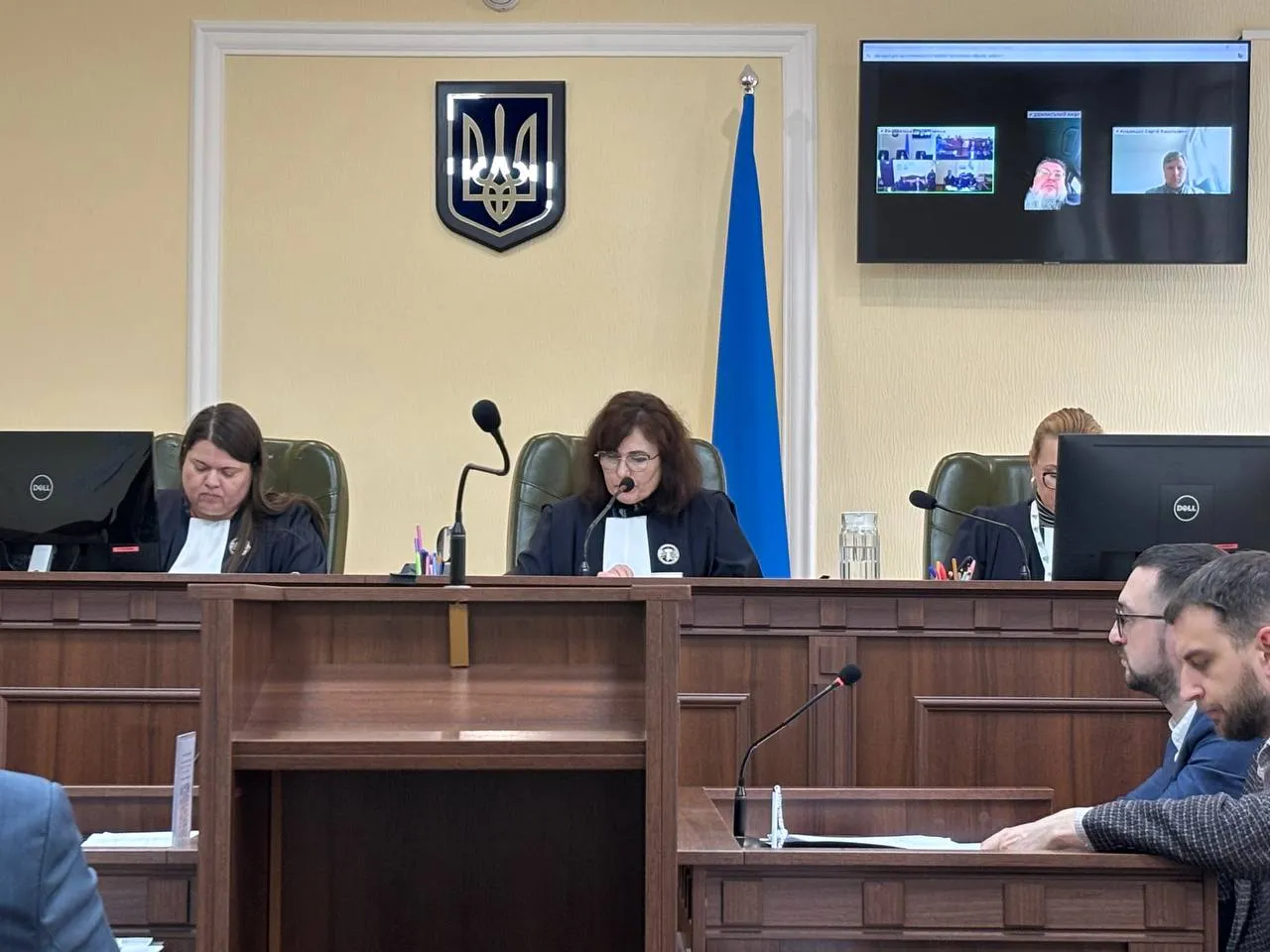
The highlight of the hearing was the speech by Attorney Oliinyk (Bondar’s defense attorney). At the beginning of his speech, he laid out a conspiracy theory regarding the High Anti-Corruption Court’s administrative staff: a violation of the principle of randomness (allegedly, the automatic assignment of Case No. 92 was rigged). He claimed that court staff had deliberately “tailored” the case to a specific panel (Oliinyk, Salandyak, Shyrok) so that it could later be more easily merged with the main case No. 423).
The lawyer reminded the court that under the new law (effective April 2024), cases in the High Anti-Corruption Court must be heard by a single judge, not a three-judge panel, unless the defendant himself requests otherwise.
“My client, Bondar, wants a speedy trial before a single judge, not before your panel, which was imposed on him in violation of the law,” the defense attorney retorted.
Citing the Supreme Court’s ruling and the practice of the European Court of Human Rights, the attorney concluded: if the court was appointed in violation of the rules of assignment, any decision it makes will be unlawful and subject to reversal.
Conclusion: “Yes, Your Honor, this is a motion to recuse.”
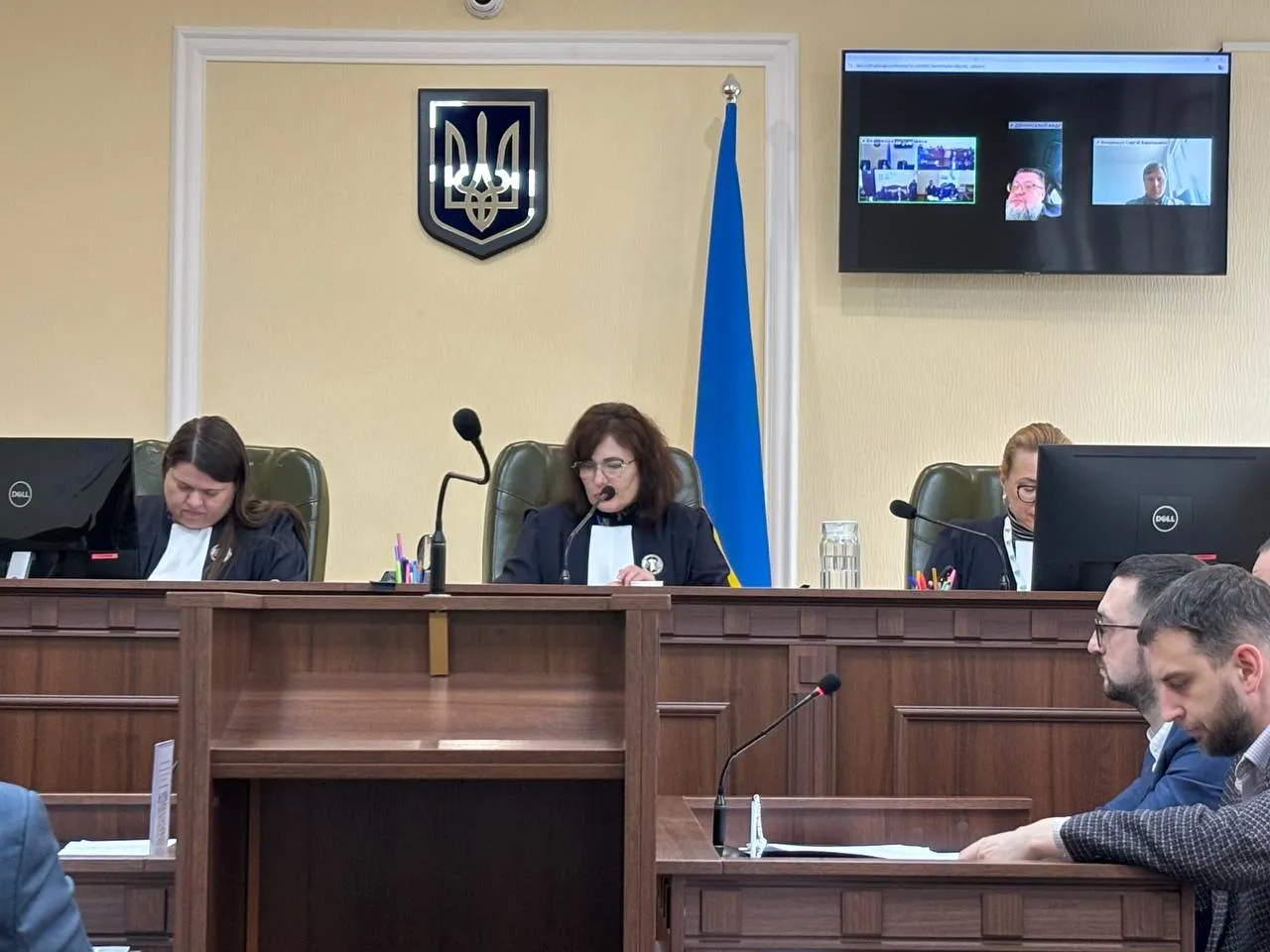
After 15 minutes of citing laws and rulings, attorney Oliinyk concluded his speech with an unexpected statement: “In light of all the above, I request that the recusal motion be granted and that Judges Oliinyk, Salandyak, and Shiroka be recused from hearing Case No. 92.”
This surprised the judges quite a bit: “Wait. Is this a challenge against us, or what?”
Attorney: “Yes, Your Honor.”
Judge: “Thank you. The court is retiring to the chambers. Do not wait for us.”


