
The U.S. has accused more than 40 countries of aiding China — Financial Times
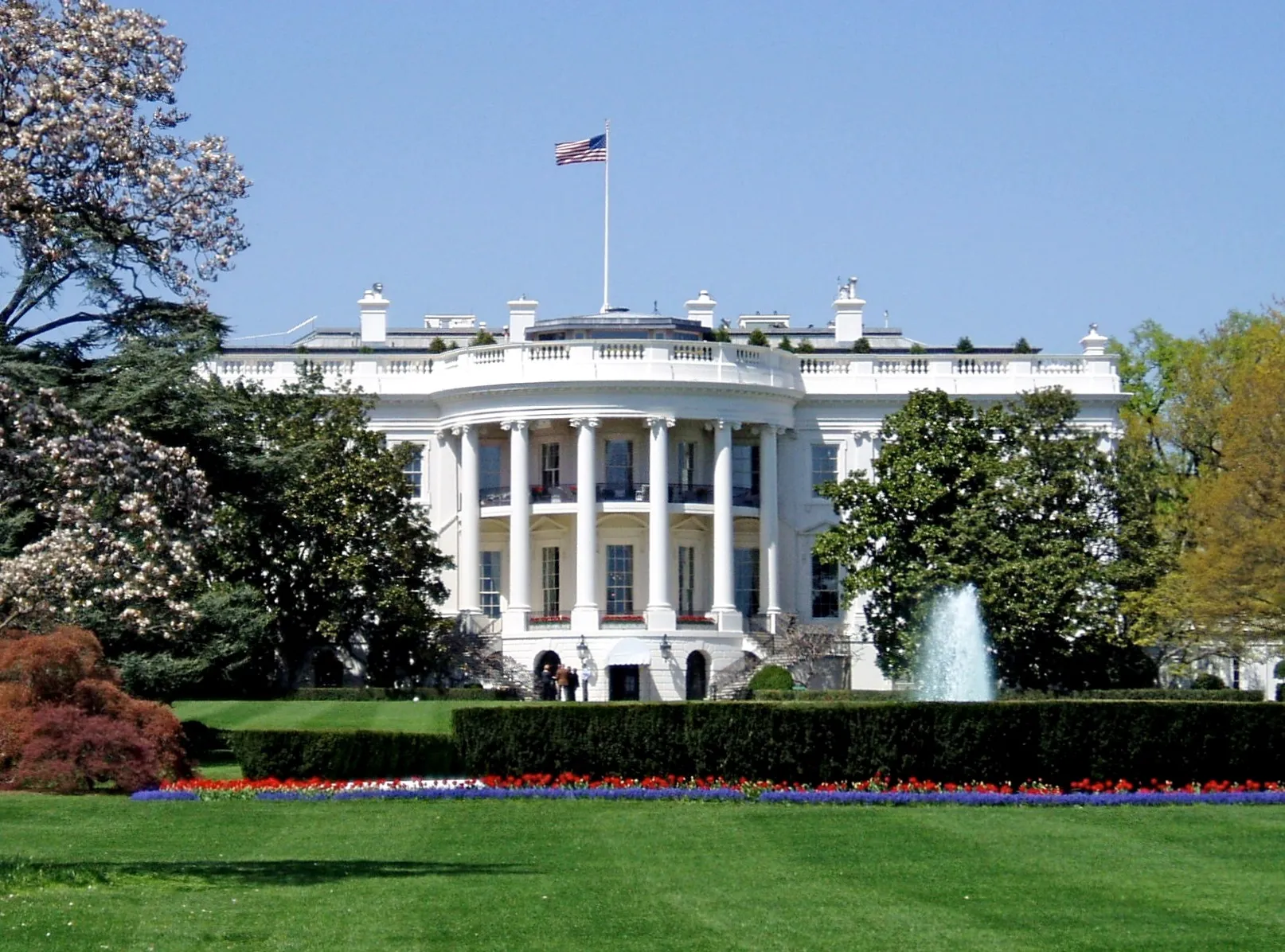
The White House stated on August 15 that more than 40 countries, including Canada, Mexico, Japan, and the European Union, are being used to transit Chinese goods to the United States in order to circumvent increased tariffs. Officials in Washington claim that this scheme is costing the U.S. budget billions.
The Financial Times reports this, citing the White House report titled “The Great Transshipment Scam.”
The report identifies more than 40 countries as jurisdictions with a high risk of illegal transshipment of Chinese goods.
The White House used $60 billion per year as its baseline estimate of potential illegal transshipment—the rounded midpoint of the $34.2–89.6 billion range calculated by the U.S. Council of Economic Advisers. Other government and private estimates cited in the report range from about $40 billion to $303 billion, depending on the methodology.
These refer to schemes in which goods of Chinese origin pass through countries with lower U.S. tariffs, where they may be repackaged, relabeled, or partially processed to change the declared country of origin. The White House claims that such practices have become widespread since Donald Trump imposed tariffs on China in 2018.
Among the largest trading partners that the U.S. administration has classified as high-risk are Canada, the EU, India, Israel, Japan, Mexico, South Korea, and Taiwan. Another group includes, in particular, Brazil, Indonesia, Malaysia, Thailand, Turkey, and Vietnam.
The European Commission denied that the mention in the report implies systematic assistance in illegally circumventing customs duties. Officials in Brussels stated that the risk of transshipment may also exist within legitimate trade flows and pledged to continue cooperating with the U.S. in the fight against customs fraud.
To detect such schemes, U.S. Customs is developing an artificial intelligence-based system called Detective Border. It is designed to analyze the routes of goods, their declared origin, and product composition, and to identify anomalies that may indicate an attempt to evade customs duties.
Source: Financial Times
Earlier, the U.S. threatened Canada with new trade restrictions.
Canadian Prime Minister Mark Carney stated that trade negotiations with the United States had become “ugly” following offensive remarks by U.S. President Donald Trump. Despite the escalating tariff dispute and new threats regarding tariffs, Ottawa is not halting the negotiation process with Washington.
Twenty-five U.S. states have filed a lawsuit against President Donald Trump’s administration, challenging the imposition of new import duties. The plaintiffs argue that these restrictions effectively replaced the tariffs that the Supreme Court struck down in February.


