
August 12 Holiday: The World Celebrates Vinyl Record Day
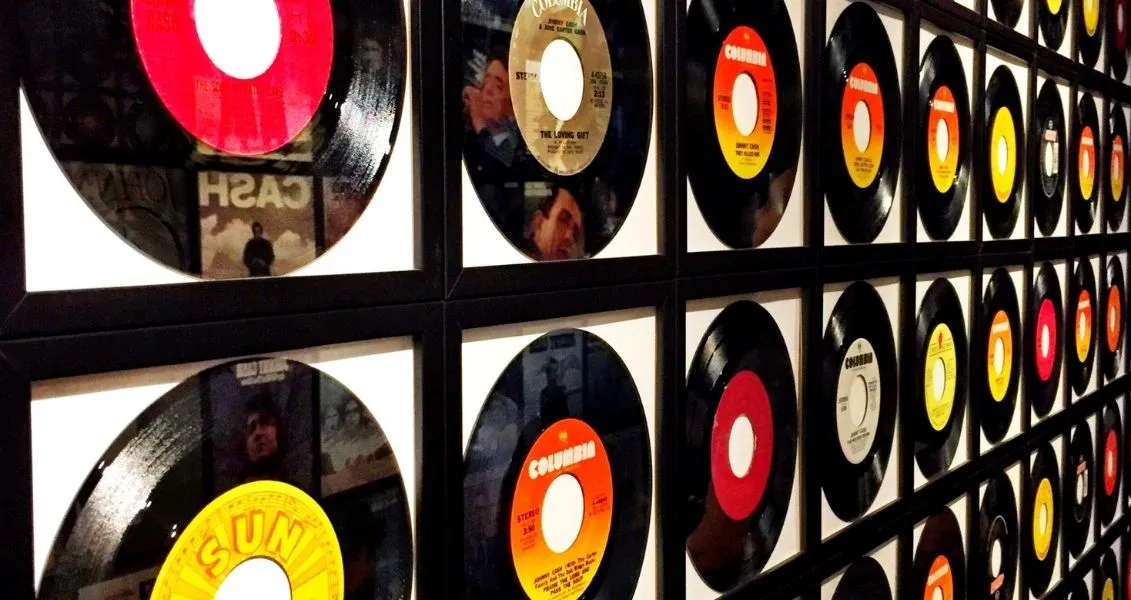
August 12 marks Vinyl Record Day—an unofficial holiday for everyone who loves music, analog sound, and the very atmosphere of old records. In 2026, it falls on a Wednesday. This day was established in the United States to highlight the cultural significance of vinyl and preserve the history of music recorded on physical media.
Vinyl Record Day has American origins. In 2002, the San Luis Obispo County Board of Supervisors in California declared August 12 Vinyl Record Day. The initiative was spearheaded by California-based activist and vinyl record collector Gary Freiberg. Following this, the nonprofit organization Vinyl Record Day was founded, with the goal of preserving the history, culture, album covers, and recordings associated with vinyl.

The date of August 12 was not chosen at random. It was on this day in 1877 that Thomas Edison invented the phonograph—one of the key inventions in the history of sound recording and reproduction. It’s important to note that Edison’s first recording medium was not a vinyl record but a cylinder, so vinyl itself did not yet exist at that time. However, the invention of the phonograph was one of the crucial steps leading to the emergence of the entire recording industry.
So, Vinyl Record Day is not just about the record itself. Its purpose is much broader—to celebrate the music of past generations, the culture of collecting, and the physical recordings that preserve a part of music history.
How Vinyl Records Came to Be
The history of phonograph recordings began long before modern records. In the 19th century, various media were used, and one of the key milestones was the invention of Edison’s phonograph in 1877. Later, Emil Berliner developed the idea of recording on flat discs, which laid the foundation for the subsequent history of gramophone records.
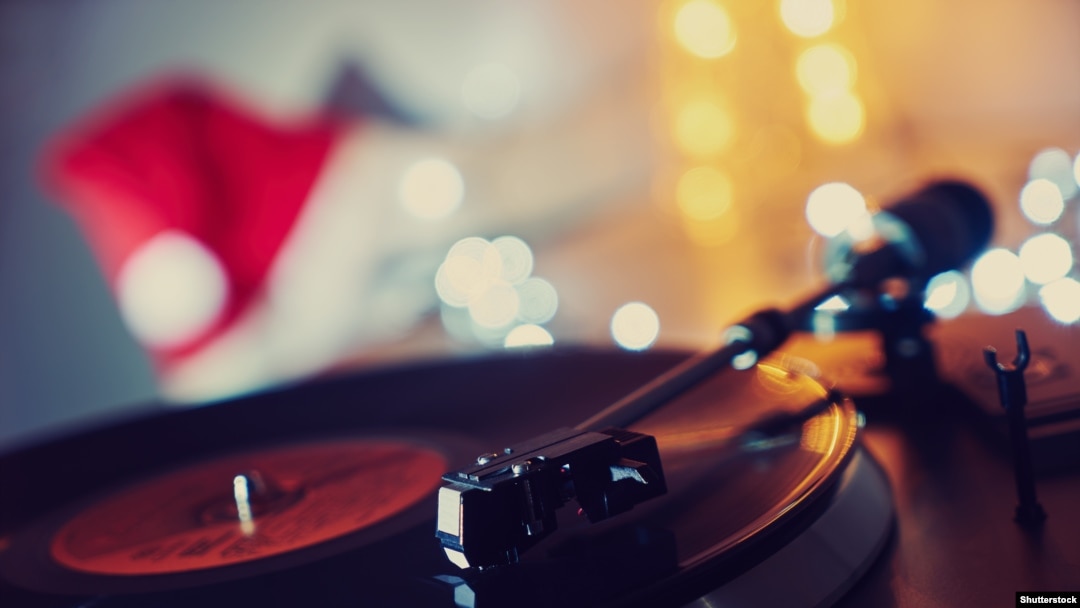
A true revolution in the album format took place in 1948. That year, Columbia Records introduced the 12-inch long-playing record, which played at 33⅓ revolutions per minute. Such an LP could hold approximately 23 minutes of music on each side, which was a huge step forward compared to the old 78-rpm records. It was this format that eventually became the standard for full-length music albums.
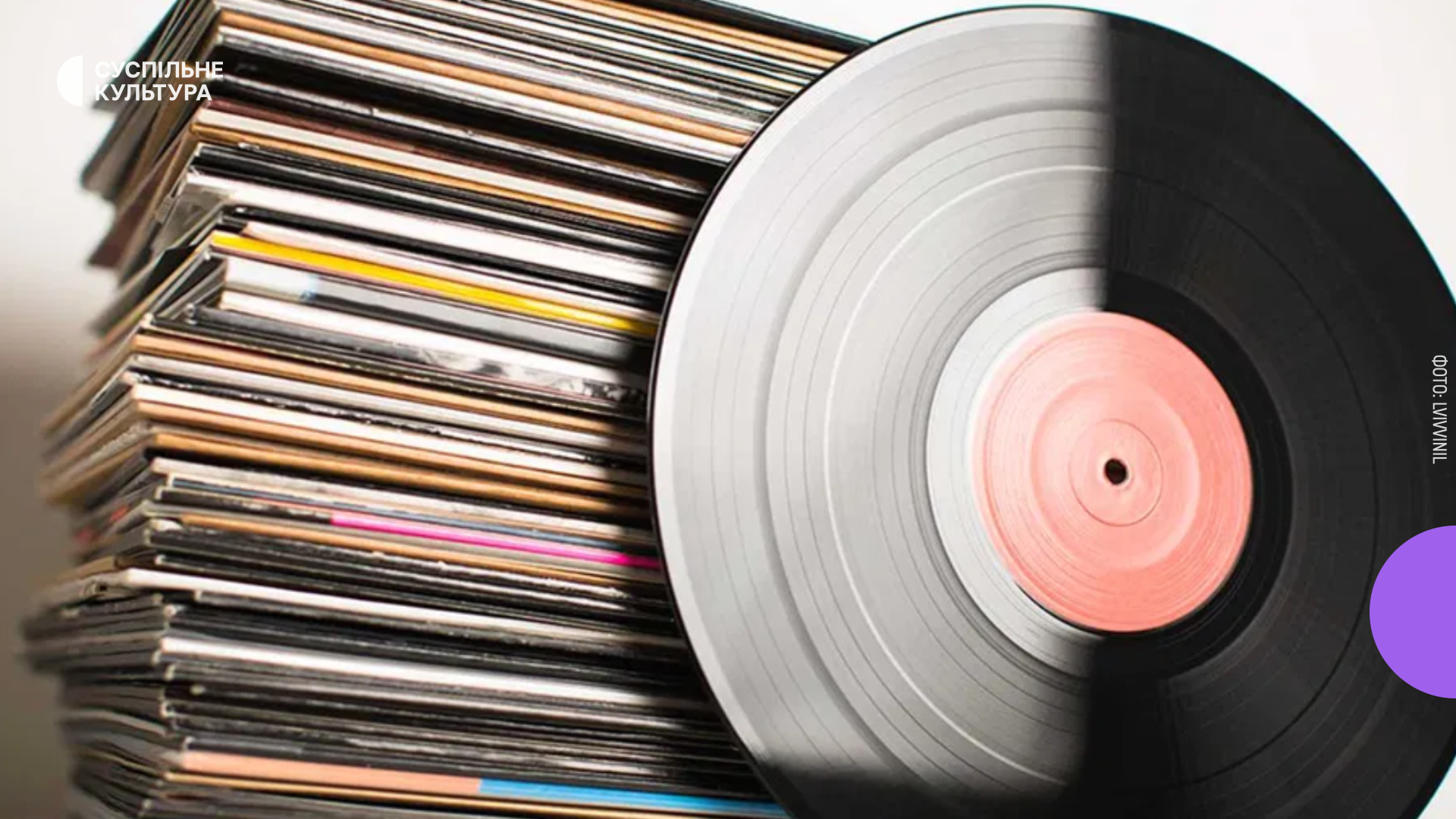
Interestingly, vinyl records became popular not only because of their sound. The album evolved into a cultural object in its own right. People weren’t just buying music; they were buying the whole package—the record, the large cover, photographs, lyrics, design, and even bonus materials from the artists.
Why Vinyl Became So Popular
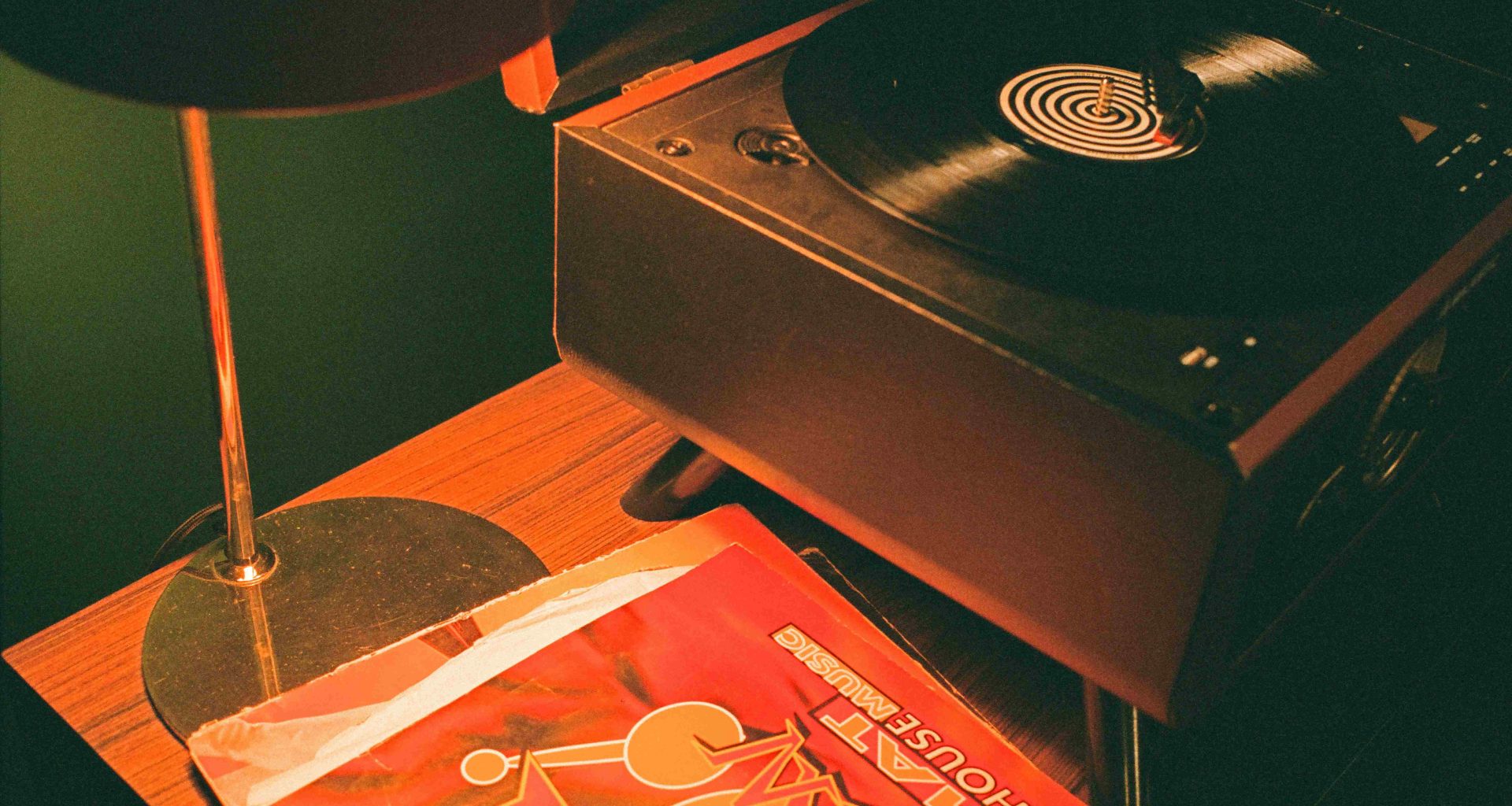
In an age when you can find music on your smartphone in a matter of seconds, a vinyl record seems like an almost inconvenient way to listen to songs. You have to take it out of the sleeve, carefully place it on the turntable, position the needle, and flip the record over when one side is finished. But for many, this very ritual is part of the pleasure.
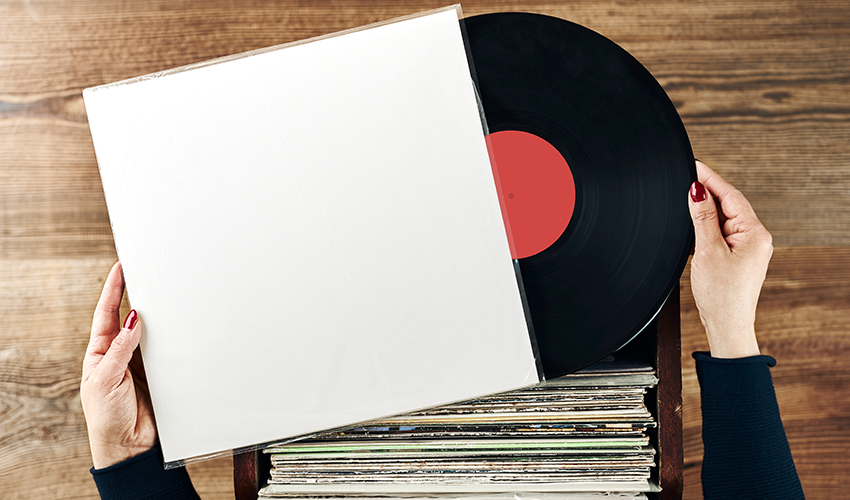
Vinyl gives the listener a physical connection to the music. You can hold the record in your hands, examine the cover, and read information about the album and the artists. For collectors, different editions, colored vinyl, rare pressings, and the history of a specific copy are also important.
Fans of analog sound often talk about the unique sound of vinyl records. It differs from digital audio, although the claim that vinyl always sounds “better” is more a matter of personal perception and the quality of the specific recording and equipment.
Vinyl survived the rise of the CD and made a comeback
It seemed that the era of vinyl records had come to an end after the advent of compact discs. In the 1980s, CDs offered listeners what seemed at the time to be an almost perfect solution: compact size, convenience, the absence of the crackling typical of older recordings, and ease of use. Many listeners switched to CDs, and later to MP3s, streaming services, and digital platforms.

However, vinyl did not disappear. On the contrary, it began to make a comeback in the 21st century. In the U.S., vinyl sales have been growing for many years in a row. According to the Recording Industry Association of America, U.S. vinyl sales exceeded $1 billion in 2025—for the first time since 1983. About 46.8 million vinyl records were sold in the U.S. that year, marking the 19th consecutive year of growth. In other words, vinyl today is no longer just a matter of nostalgia for people who remember the record stores of the past. Younger audiences are buying vinyl records, too. For some, it’s a way to support their favorite artist; for others, it’s a hobby; and for still others, it’s simply a beautiful item they want to have at home.
Interesting Facts About Vinyl
One of the main features of a vinyl record is that the music is recorded directly in the spiral groove of the disc. The turntable’s needle moves along this groove, and the mechanical vibrations are converted into an electrical signal and ultimately into sound.
Records come in various sizes and for different purposes. The most well-known format is the 12-inch LP, but there are also 7-inch singles and other options. They can have different rotation speeds—the most common are 33⅓ and 45 revolutions per minute.
Another distinctive feature of vinyl is the album cover. In the age of digital music, it has become a small screen on which the artist can tell part of the album’s story. That is why some album covers have become renowned works of graphic design.
For collectors, even where and when a specific copy was manufactured matters. The same record can have different editions, colors, print runs, and conditions. Because of this, a record that looks ordinary at first glance can sometimes turn out to be a rare collector’s item.
How to Celebrate Vinyl Record Day
There are no special official ceremonies on this day. The simplest way to celebrate is to dig out an old record or listen to an album on a turntable. You can also visit a music store or a used record shop, look for an interesting release, or start your own collection. Collectors can spend the day organizing their collection, cleaning their records, and maintaining their turntable. You can swap records with friends, share the story behind your favorite album, or showcase your collection on social media.

Another option is to host a music night at home. Pick a few albums, turn off any unnecessary gadgets, and listen to the music in its entirety, rather than just individual tracks. This format perfectly captures the spirit of the holiday: it’s not just about playing a song, but about taking the time to truly experience the music.
You can also take this opportunity to visit local record stores and support them by making a purchase. In the age of streaming, these places remain important hubs of music culture, where people can not only buy records but also connect with other music lovers.
Why Vinyl Hasn’t Lost Its Popularity
The resurgence of vinyl shows that technological convenience doesn’t always completely replace older formats. Streaming lets you carry millions of songs in your pocket, but vinyl offers a completely different experience. It’s music you have to choose, take out, put on, and listen to from start to finish.
Vinyl has another advantage—it leaves a physical trace. A music file can easily get lost among thousands of other tracks, but a vinyl record sits on the shelf and serves as a reminder of a specific album or period in your life. That’s why Vinyl Record Day isn’t a call to abandon digital music. Rather, it’s an opportunity to remember that music can be more than just a file on your phone. It can have the smell of old cardboard, a large sleeve, that distinctive crackle before the first notes, and a whole story you can hold in your hands.


