
Holiday on August 6, 2026 — Jamaica’s Independence Day: 64 Years of Freedom
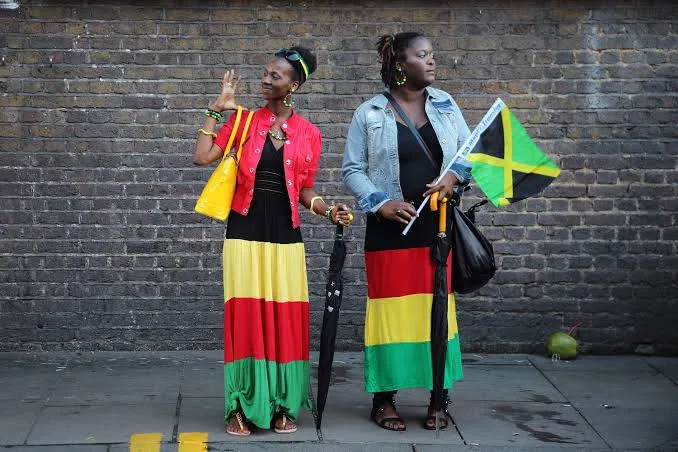
On August 6, Jamaica celebrates Independence Day. It was on this day in 1962 that the island ceased to be a British colony and became an independent nation within the Commonwealth of Nations. In 2026, the country will celebrate the 64th anniversary of its independence, and the festivities are part of the larger “Emancipendence” season, which combines the commemoration of emancipation from slavery with the achievement of political independence.
Jamaica’s Independence Day is celebrated annually on August 6. In 2026, this date falls on a Thursday. This year, the country is celebrating 64 years since Jamaica officially gained independence from Great Britain.
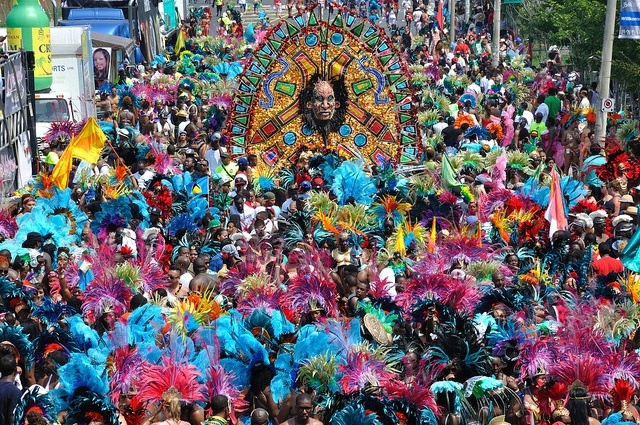
For Jamaicans, this is one of the most important national holidays of the year. It commemorates the moment when the country gained the right to independently determine its political course, establish its own state institutions, and represent itself on the international stage. Before independence, key government decisions were controlled by British authorities, but after August 6, 1962, responsibility for the country’s future passed to its own government.

That is why Independence Day in Jamaica is not just a day off. It is a day of national pride, when people remember those who fought for political and social change and showcase the country’s contemporary culture.
How Jamaica Achieved Independence
Jamaica’s path to independence began long before 1962. The island was under British control for over three centuries, and its history is closely tied to colonialism, slavery, and the hard labor of Africans on the plantations. Slavery in Jamaica was abolished in 1834, and full freedom for former enslaved people was granted in 1838.
In the 19th and early 20th centuries, demands for political and social change gradually intensified on the island. One of the key events was the Morant Bay Rebellion in 1865. It was led by Paul Bogle and George William Gordon, who were later recognized as national heroes of Jamaica. These events became an important part of the struggle for the rights of the local population.

In the 1930s, large-scale labor protests swept the country. People demanded better working conditions and higher wages. The events of 1938 were one of the catalysts for the emergence of a stronger labor movement and new politics in Jamaica. It was during this period that the roles of two future key political figures—Alexander Bustamante and Norman Manley—became particularly prominent.

Bustamante led the labor movement and later founded the Jamaican Labor Party. Norman Manley became the founder of the People’s National Party. Despite their political rivalry, both played an important role in the process that ultimately led the country to self-government and independence.
In 1944, Jamaica held its first general election based on universal suffrage for adults. And in 1958, Jamaica, along with other Caribbean territories, joined the West Indies Federation. However, in 1961, Jamaicans voted in a referendum against continued participation in the federation, after which the country embarked on its own path to independence.
What Happened on August 6, 1962
Immediately prior to independence, Jamaica underwent significant political changes. In February 1962, a new Constitution was adopted, followed by general elections. In April, Alexander Bustamante won the election and became the first prime minister of independent Jamaica. The climax came on the night of August 5–6, 1962. A ceremony was held in the capital, Kingston, during which the British flag was lowered and the new Jamaican flag was raised for the first time. This marked the end of British colonial rule.
According to the Jamaica Information Service, the ceremony was attended by, among others, Princess Margaret of the United Kingdom and U.S. Vice President Lyndon Johnson. At midnight, the new flag replaced the British Union Jack, and Jamaica officially became an independent nation. Since then, August 6 has become the most important day on the national calendar. On this day, Jamaicans commemorate the events of 1962 and the people who helped the country make the transition from a colony to an independent nation.
What Independence Meant for Jamaica
Independence meant that Great Britain no longer controlled Jamaica’s internal affairs. Governance of the country passed to its own government, which assumed responsibility for political decisions and the nation’s development. At the same time, Jamaica began to establish its own national symbols and institutions. The country needed its own constitution, national symbols, an army, a currency, and passports. Independence also gave Jamaica the ability to independently appoint diplomatic representatives abroad, conclude international treaties, and join international organizations.
However, Jamaica did not sever all ties with Britain. After gaining independence, it became a member of the Commonwealth of Nations. This arrangement allowed the country to maintain international ties while having its own government and independently determining its domestic and foreign policies.
Why Do People in Jamaica Talk About “Emancipendence”?
Independence Day celebrations in Jamaica are closely linked to another important date—Emancipation Day. It is observed on August 1, just a few days before Independence Day. Emancipation Day commemorates the abolition of slavery in British territories. Slavery was abolished in Jamaica in 1834, and full freedom for former enslaved people was achieved in 1838. That is why the first days of August hold special historical significance for the country.
The combination of these two dates has been named “Emancipendence”—a portmanteau of the English words “emancipation” and “independence.” The idea is simple: first, the country commemorates its liberation from slavery, and then its liberation from colonial rule. In 2026, Emancipendence will feature a whole series of events. The official program began back in July and includes concerts, religious services, festival performances, artistic events, and festive programs.
How the Celebrations Unfold
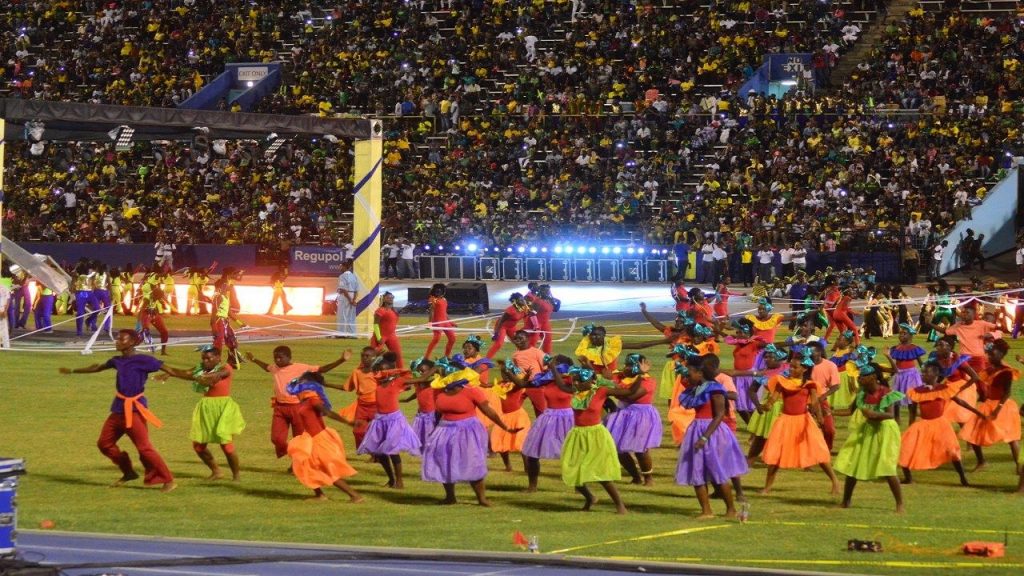
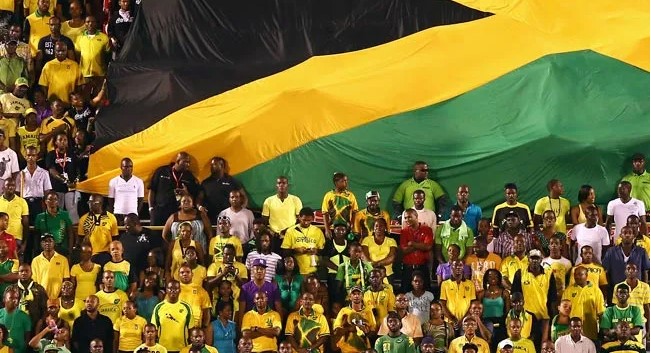
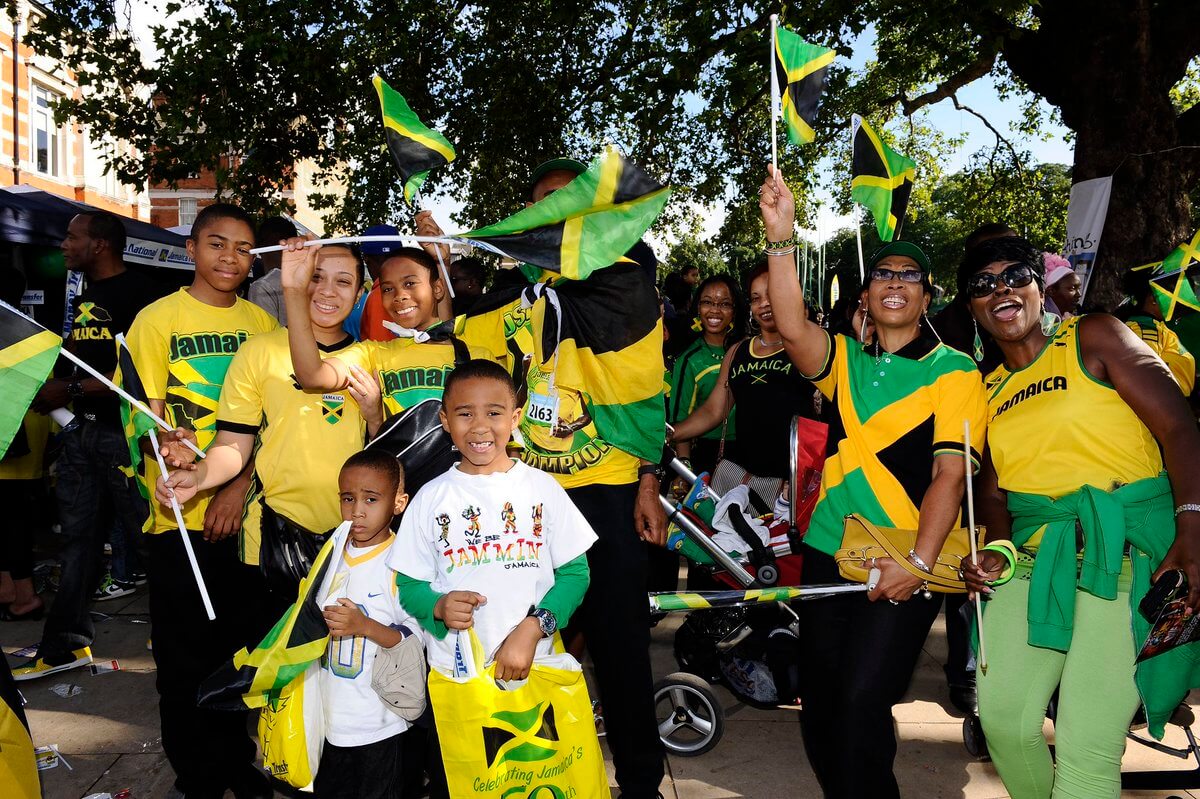
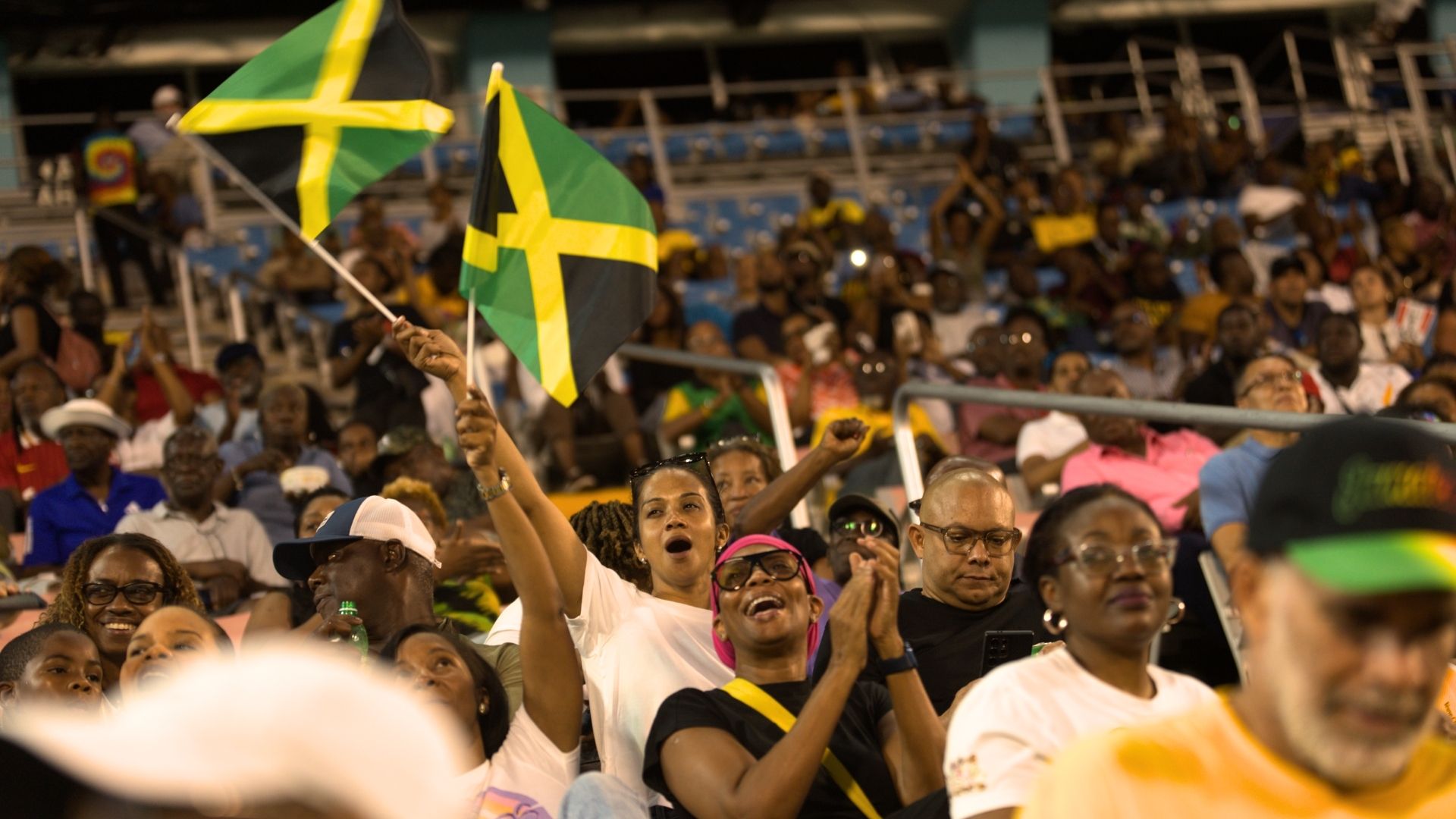
In Jamaica, Independence Day is a very vibrant holiday. There’s plenty of music, dancing, flags, concerts, and street events. People dress in black, green, and gold, and use these colors to decorate their homes, cars, and public spaces. The national colors can be seen practically everywhere. One of the main events is the Independence Grand Gala. It is held at the National Stadium in Kingston. It’s a large-scale show featuring music, dancing, theatrical and cultural performances, displays by the security forces, and other acts. In 2025, for example, thousands of people gathered for the Grand Gala.
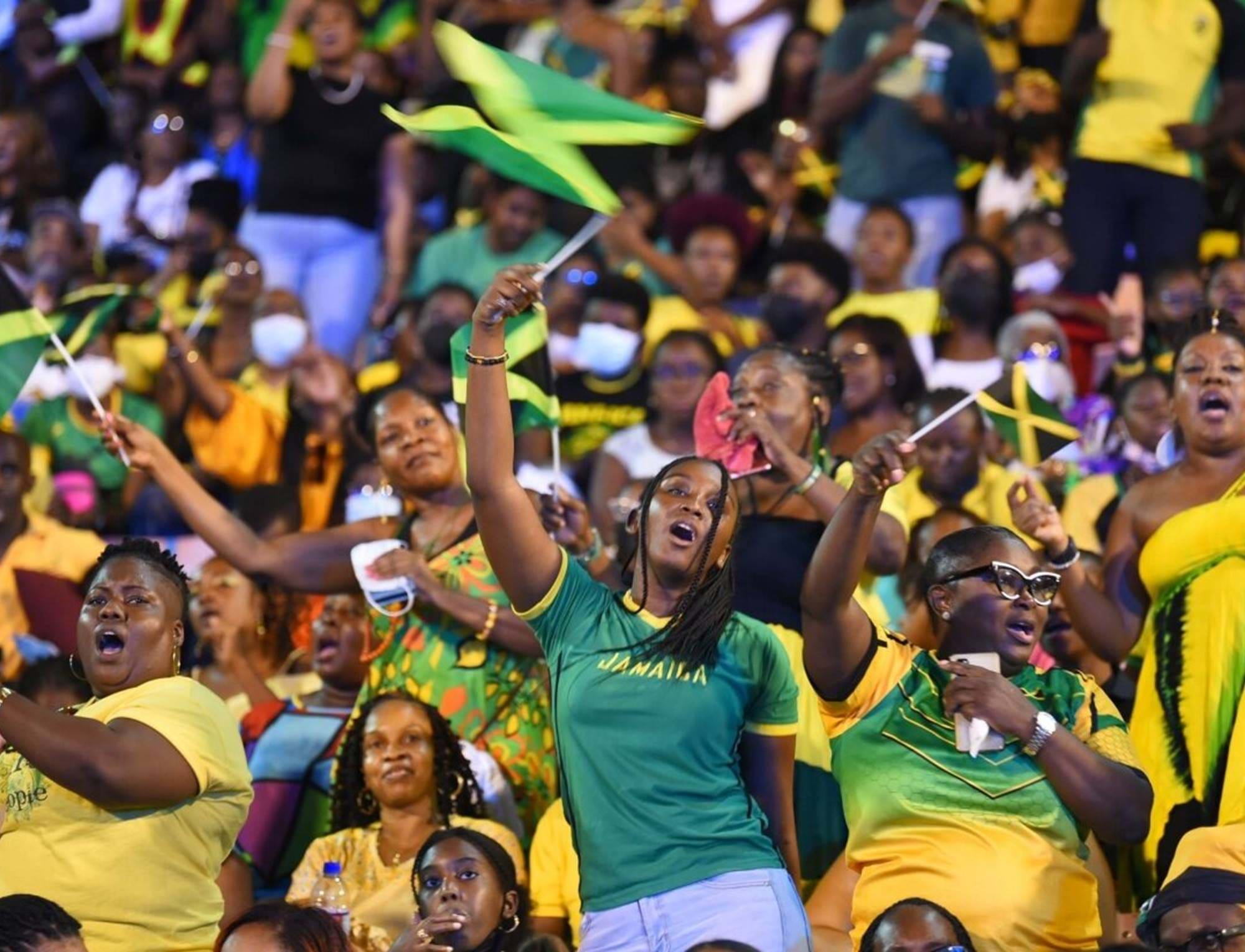
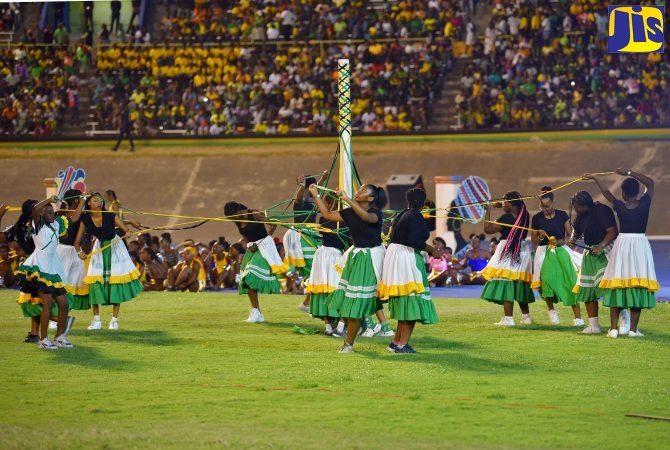
The celebration isn’t limited to the capital. According to the official 2026 program, on August 6, the country will also host the National Street Dance and street dance events in all parish capitals and some cities. In other words, the celebrations span various parts of the island, not just Kingston. Special attention is given to culture. Musicians and dancers perform on stage, and there are theatrical productions and shows that tell the story of Jamaica’s history and present day. In this way, the country combines memories of the past with contemporary popular culture.
The Grand Independence Festival
Independence Day celebrations begin long before August 6. One of the main traditions is the Jamaica Festival—a large-scale cultural program that brings together music, art, dance, theater, and various community events every year. The Festival Song Competition holds a special place here. It is held annually on the eve of Independence Day. In 2026, the competition will mark its 60th edition, and its winner will have the opportunity to set the musical tone for the Independence Day celebrations.

This isn’t just a contest for the sake of a contest. The winning song effectively becomes one of the musical symbols of the festive season. The organizers call it an important part of the Independence Day atmosphere, as the song must be accessible to a wide audience and capture the spirit of Jamaica. Over the decades, renowned Jamaican musicians have participated in the contest. Among past participants were legendary figures of reggae and the Jamaican music scene, including Bob Marley and Rita Marley.
What Independence Day Will Be Like in 2026
In 2026, Jamaica will celebrate 64 years of independence. The official theme of this year’s events is “United in Celebrating Resilience.”
This year’s program spans several weeks. Events include a Gospel Concert, festival shows, a church service marking Emancipation and Independence Day, the Seville Emancipation Jubilee, the Miss Jamaica Festival Queen pageant, the Jamaica Gospel Star finals, the Mello-Go-Roun’ music program, Independence Soul Tuesday, and other events.
The main event—the Independence Grand Gala—is scheduled for August 6 at the National Stadium in Kingston. It will begin at 6:00 p.m. At the same time, the Independence Village will host a live broadcast of the Grand Gala and the National Street Dance. Street celebrations are also planned in parish capitals and select cities across the country. This year’s festival season has another special feature. In 2026, the Festival Song competition will mark its 60th anniversary, and next year, Jamaica will celebrate 65 years of independence.
The Flag of Jamaica
One of the main symbols of independence was the country’s new flag. It was first raised at midnight on August 5, 1962—literally just a few hours before the official start of a new day for independent Jamaica. The flag features black, green, and gold colors. In the center is a gold diagonal cross that forms four triangles. The top and bottom segments are black, while the side segments are green.

There is also a symbolic explanation for the colors. According to the official description, gold is associated with sunlight, green symbolizes the earth, and black represents the strength and creativity of the people. These colors have become an integral part of Independence Day. During the holidays, they can be seen on clothing, flags, decorations, and various souvenirs. For Jamaicans, these are not just the colors of the national flag, but a recognizable symbol of national identity.
Jamaica’s National Anthem
Another important symbol is the national anthem, “Jamaica, Land We Love.” It was adopted on the eve of independence. The lyrics were written by Reverend Hugh Sherlock, the music was composed by Robert Lightborn, and Mapletree and Irving Pull also contributed to the composition.
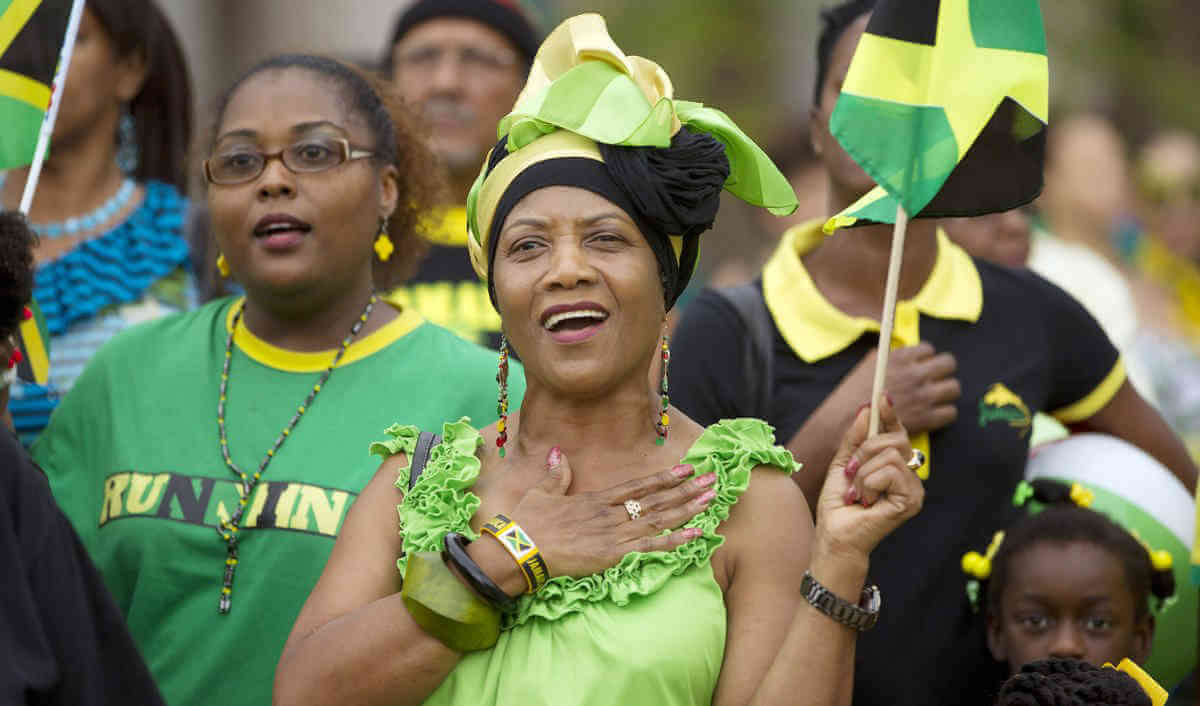
The anthem is dedicated to Jamaica, love for the country, justice, peace, and responsibility to society. It is performed during state ceremonies, public events, and Independence Day celebrations. The rules for performing the anthem state that people must stand at attention while it is played, and men must remove their headwear. The anthem is also part of flag-raising and lowering ceremonies in schools and during Independence Day events.
Interesting Facts About Independence Day
Independence was declared at midnight. The ceremony took place on the night of August 5–6, 1962. It was then that the British flag was lowered and the flag of independent Jamaica was raised for the first time.
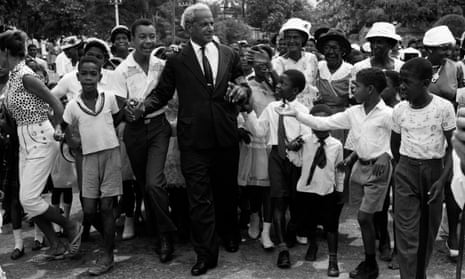
Alexander Bustamante became the first prime minister of independent Jamaica. He won the election in April 1962 and, after independence was achieved, led the country’s government.

The path to independence began long before 1962. Key milestones included the abolition of slavery, the struggle for workers’ rights, the development of the labor union movement, the introduction of universal suffrage, and the formation of political parties.
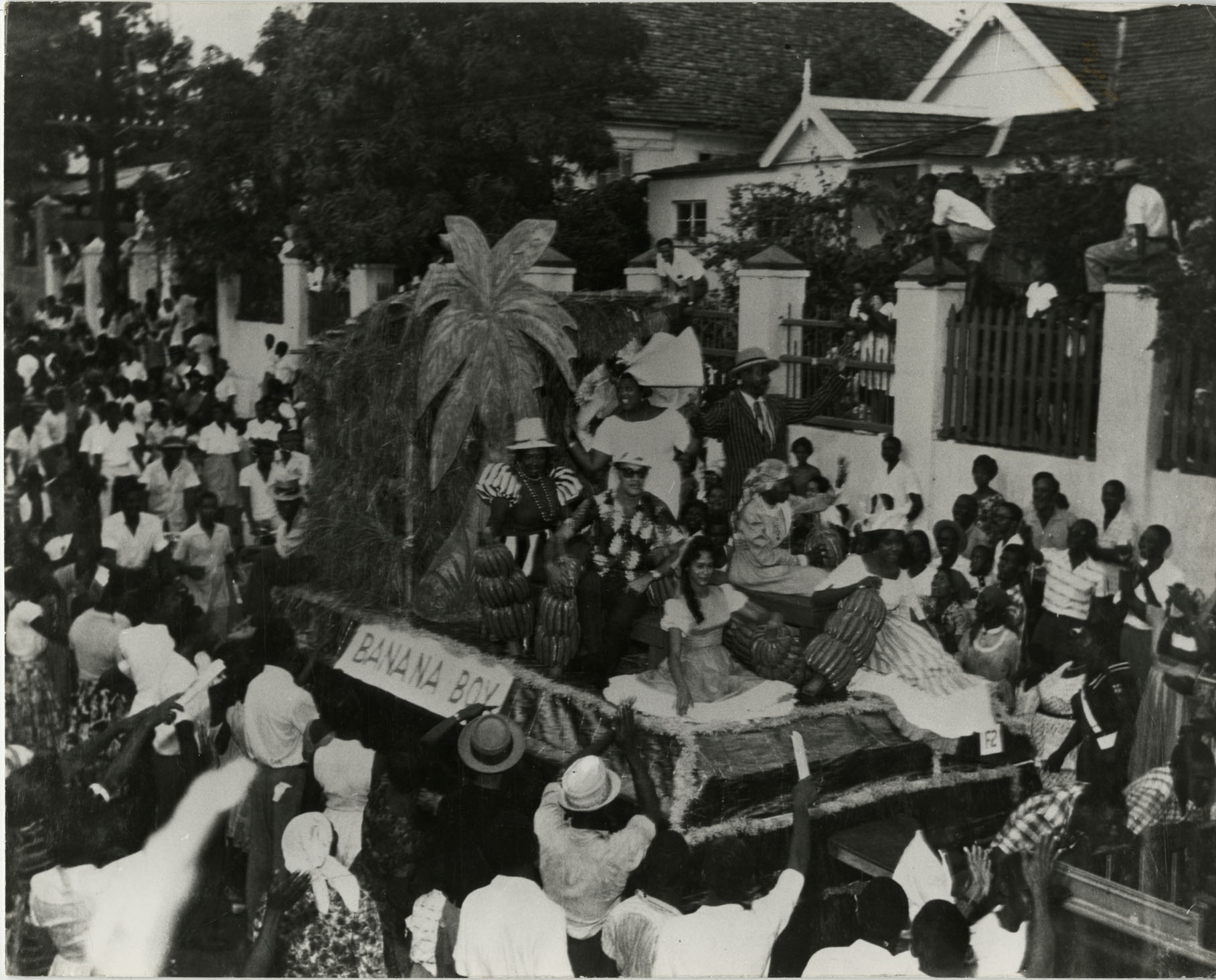
Independence Day is linked to Emancipation Day. On August 1, Jamaica commemorates the abolition of slavery, and on August 6, it celebrates the attainment of political independence. That is why this entire period is known as “Emancipendence.”

The festival song is now 60 years old. In 2026, the Jamaica Festival Song Competition will be held for the 60th time. Among the famous musicians who have participated in it over the years were Bob Marley and Rita Marley.
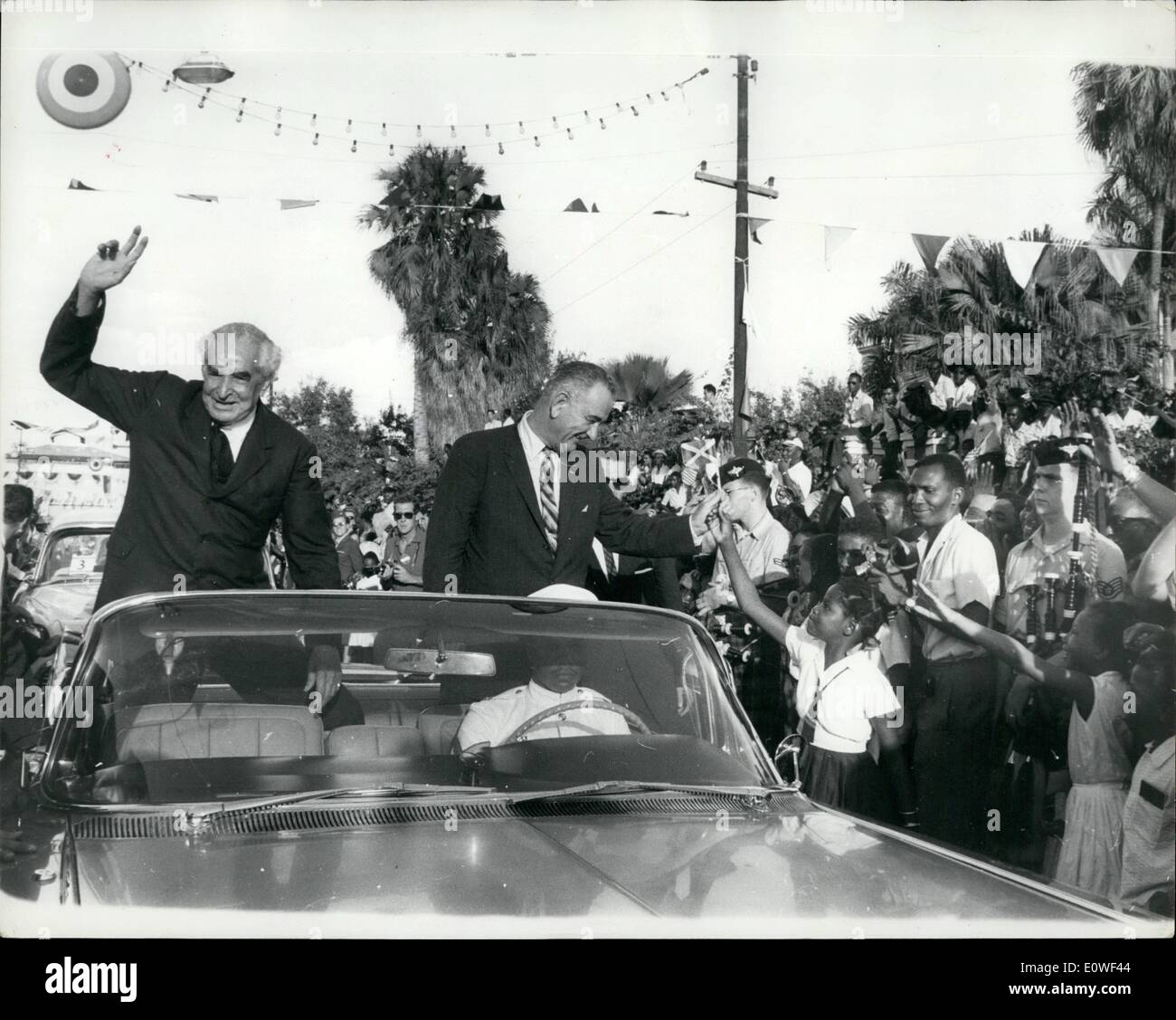
In 2026, Jamaica will celebrate 64 years of independence. Next year, the country will mark its 65th anniversary.
Why This Holiday Is Important to Jamaicans
For Jamaica, Independence Day is an opportunity to reflect not only on August 6, 1962, but on the entire difficult journey leading up to that date. It encompasses the history of slavery, the struggle for freedom, labor protests, the development of political movements, and the gradual attainment of the right to determine the country’s destiny independently. At the same time, it is a very modern holiday. Jamaicans celebrate it through music, dance, concerts, street events, and art. National culture here is not separate from history—on the contrary, it is through this culture that people express who Jamaica is today.
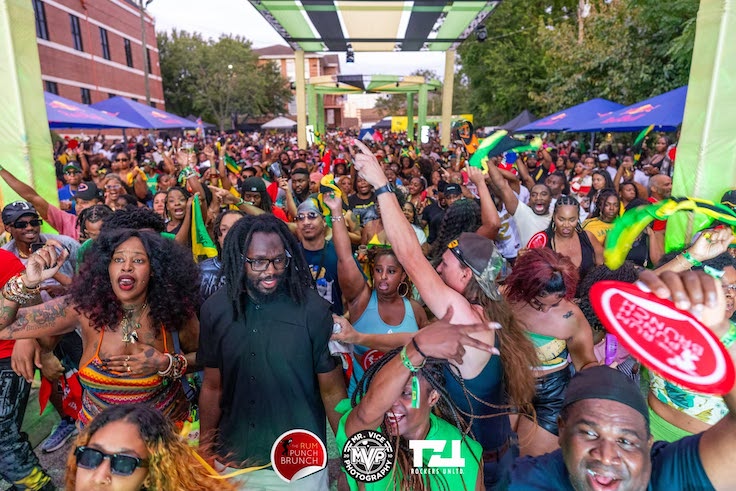
This is particularly evident during the Grand Gala. Traditional culture, contemporary music, dance, national symbols, performances by security forces, and large-scale stage shows all come together in one venue. In 2025, during the celebration of the 63rd anniversary, the stadium also hosted a large-scale drone show dedicated to Jamaica’s history. That’s why August 6 in Jamaica is the day when history literally takes to the streets. The colors black, green, and gold are everywhere; music plays; concerts and dance events take place; and people gather together to celebrate the anniversary of their independent nation.

In 2026, the central theme of the celebration was resilience and unity. And this perfectly captures the very essence of Jamaica’s Independence Day: to reflect on a difficult past, celebrate the country’s achievements, and demonstrate that national identity is shaped not only by political decisions but also by culture, music, memory, and the people themselves.


