
In Germany, there is a proposal to raise the age limit for reservists to 70
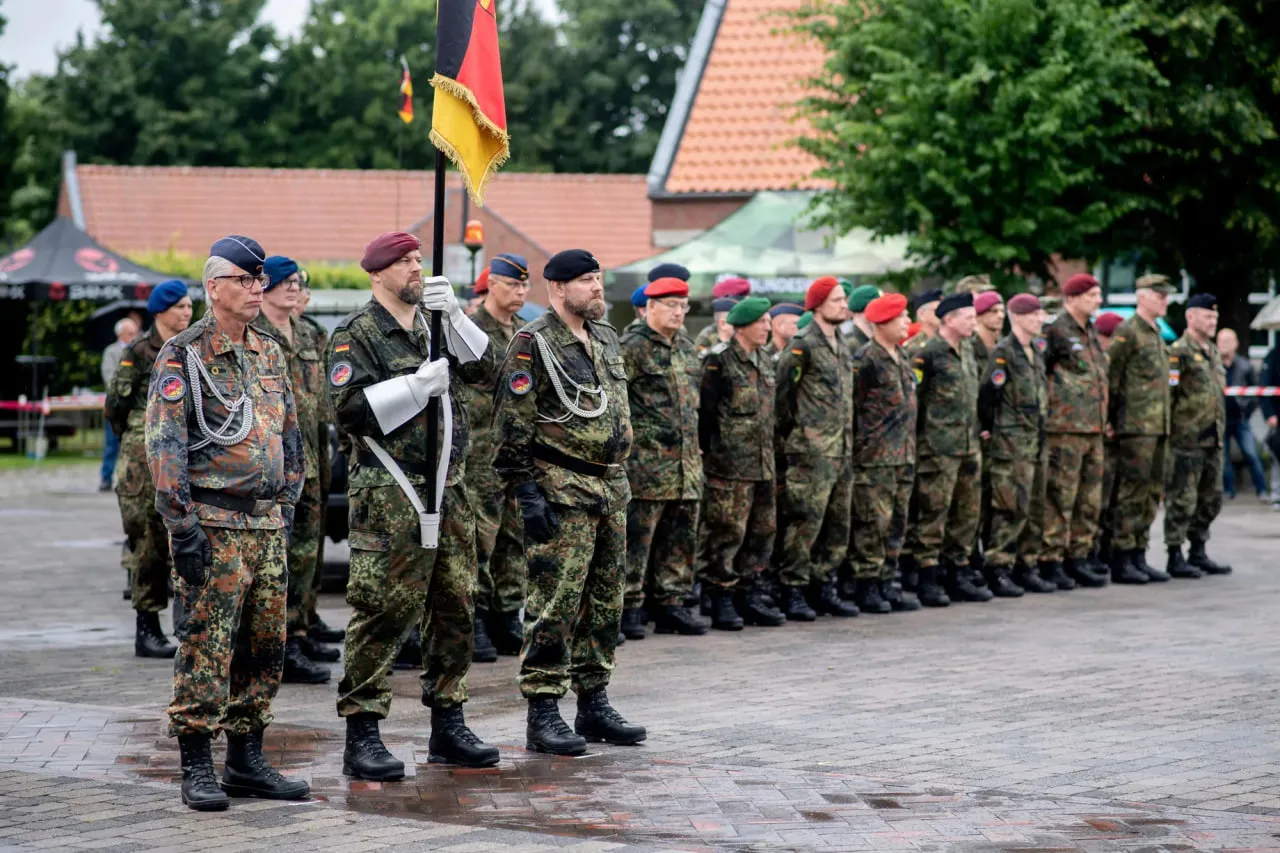
The German Reservists' Association is calling for the maximum age for reservists to be raised to 70. They cite demographic changes and the fact that many people of this age are still capable of performing their duties as the reasons for this.
This was reported by Spiegel.
The new head of the German Reservists Association, Bastian Ernst, has called for raising the age limit for reservists from 65 to 70 to ensure the country’s better defense capability.
"People are staying in good physical shape longer these days. And we cannot neglect this resource of people with valuable life and professional experience. If we are now complaining about a shortage of young people, we must also take into account those at the other end of the age pyramid," he notes.
Ernst also cites the raising of the retirement age as an argument.
Under current law, German reservists are not required to attend training—they are only called up on a voluntary basis (by both the reservist and their employer).
Ernst believes this approach should be changed and that employers should have no say at all in whether their employee attends training if the employee wishes to do so. “But we shouldn’t take a coercive approach toward the reservists themselves,” he says.
A similar call was made in the Bundestag.
Germany has set a goal of expanding the size of its armed forces to at least 260,000 active-duty personnel and 200,000 reservists by 2035.
The current number of reservists is not precisely known. At least 8–9 million citizens have served in the Bundeswehr, and at least 60,000 reservists are “active” and assigned to the military. Approximately 110,000 people are members of the German Reservists’ Association.
Ernst notes that as part of the reforms underway in the military, it is finally necessary to clearly determine the number of reservists.
Germany will financethe purchase of hundreds of Patriot missiles for Ukraine.
German Federal Chancellor Friedrich Merz announced the transition to a strategic partnership with Ukraine and the resumption of intergovernmental consultations, which had not been held for over 20 years.
German Chancellor Friedrich Merz met with Ukrainian President Volodymyr Zelenskyy in Berlin on April 14.
German Chancellor Friedrich Merz officially confirmed support for Kyiv’s European integration aspirations, emphasizing the fundamental importance of this step for the stability of the entire continent.


