
The Ukrainian Armed Forces have expanded their areas of operation, bringing the occupiers' supply lines in Zaporizhzhia, Kherson, and the Donbas to the brink of collapse
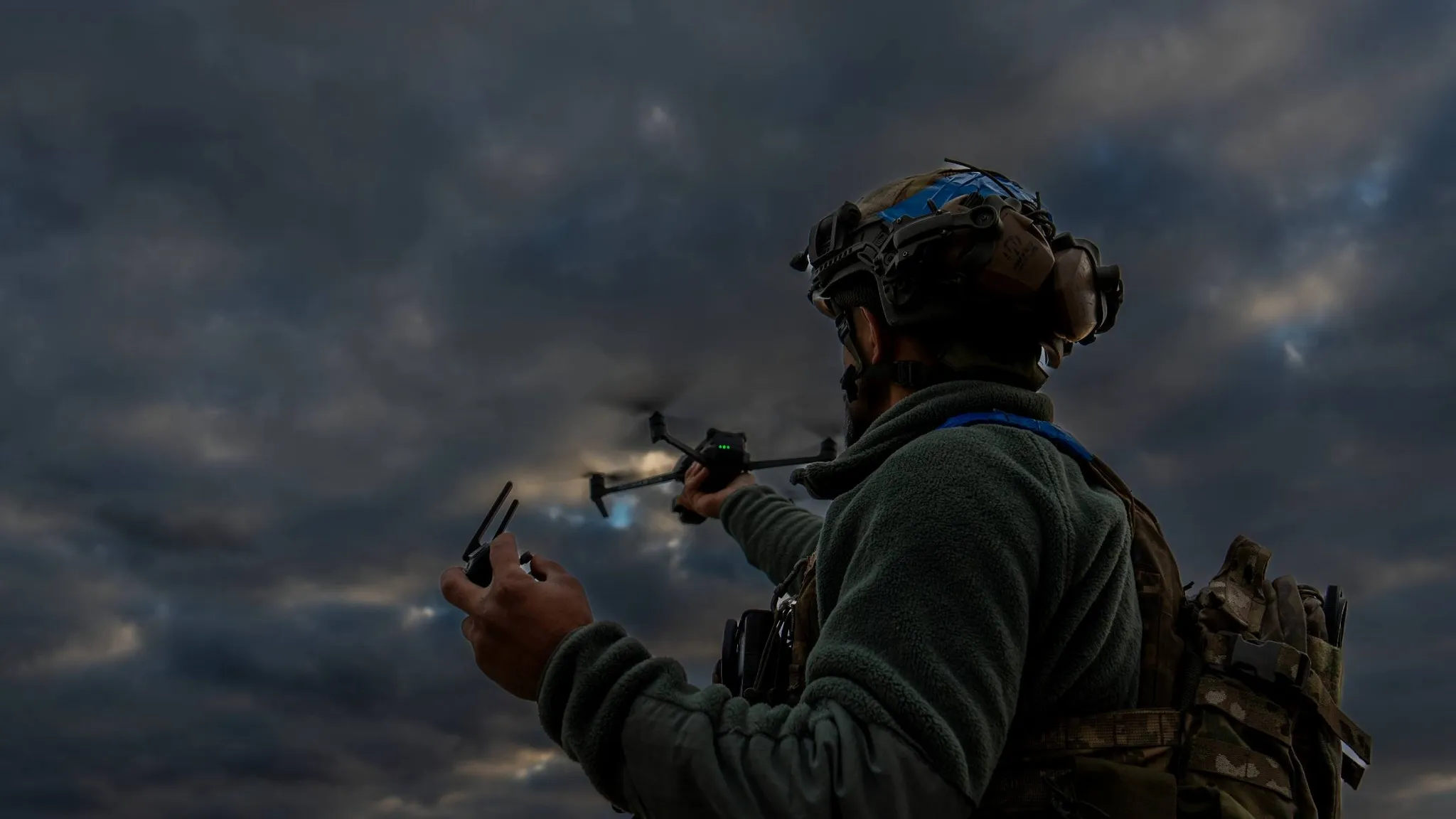
Ukrainian drones are striking deeper and deeper into the Russian army’s rear, causing logistics in the occupied territories to begin “falling apart” and already posing risks to the supply of large troop formations. According to Z-channels and military analysts, tens of thousands of troops on the southern and eastern fronts are now at risk.
The expansion of the strike zone of Ukrainian drones, which are penetrating deeper and deeper into rear areas, has drastically complicated the supply of Russian troops in southern and eastern Ukraine, and even Russian military bloggers are speaking out more and more loudly about this, describing the situation as approaching a logistical collapse.
According to them, UAV strikes have effectively turned key transport routes into dangerous areas where the movement of cargo has become risky and sporadic, and the federal highway R-280, which connects territories to Crimea, has already been given the symbolic name “road to hell” among Russian channels due to regular attacks and restrictions on freight traffic. “Areas of Donetsk and the DPR, which were considered relatively safe, have not been so for several months now. We are now talking about a controlled defeat across the entire depth of Donetsk and Makiivka,” writes one of the Russian channels, describing strikes on warehouses, energy infrastructure, and military facilities in the rear.
The situation is also worsening in other areas, particularly near the Azov coast, where, according to OSINT estimates, dozens of trucks carrying supplies to the front lines have been destroyed in recent weeks alone, further straining an already unstable supply chain.
Russian media outlets also report problems in the Kherson and Zaporizhzhia regions, where regular drone attacks on transport are causing supply disruptions and, in some cases, fuel rationing and shortages of certain goods in the temporarily occupied Crimea.
Military analyst Yan Matveev notes that logistics along a 480-kilometer stretch of the front line—which supplies several Russian units simultaneously—are at risk, and, according to his assessment, tens of thousands of troops could face supply disruptions. “At least 150,000 people risk being left virtually without supplies,” Matveev estimates, specifying that this refers to a large front stretching from the Pokrovsk direction to the Dnipro and further south.
Military analytical centers, including the Institute for the Study of War, also note that Ukrainian UAV strikes on logistics are gradually limiting the Russian army’s ability to rapidly redeploy forces and maintain a stable supply line at the front, and if this trend continues, it could affect the overall resilience of the groups even despite possible mobilization measures.
On the night of May 27, drones attacked Tuapse in the Krasnodar Krai of the Russian Federation. According to preliminary information, a local oil refinery—one of the key energy facilities in southern Russia—may have been hit. Details regarding the consequences of the attack are being clarified.
On the night of May 21, fighters from the Special Operations Forces (SSO) and Unmanned Systems Forces (USB) of the Armed Forces of Ukraine delivered a precision strike on the Syzran oil refinery in the Samara region of the Russian Federation.
In Russia, drones attacked the Syzran Oil Refinery in the Samara region
In Russia, following the drone attack, fires broke out at the Lukoil-Nizhegorodnefteorgsintez oil refinery in the city of Kstovo, Nizhny Novgorod Oblast, and on the grounds of the Azot chemical plant in Nevinnomyssk, Stavropol Krai.
On the night of May 20, a series of explosions rocked the Stavropol Krai in Russia, followed by reports of damage to the Nevinnomyssk Azot plant. The plant is one of the largest producers of ammonia and ammonium nitrate in the Russian Federation. Information regarding the extent of the damage and the consequences of the attack is being clarified.


