
LG Chem and Volkswagen to jointly develop materials for cars — Korea Herald
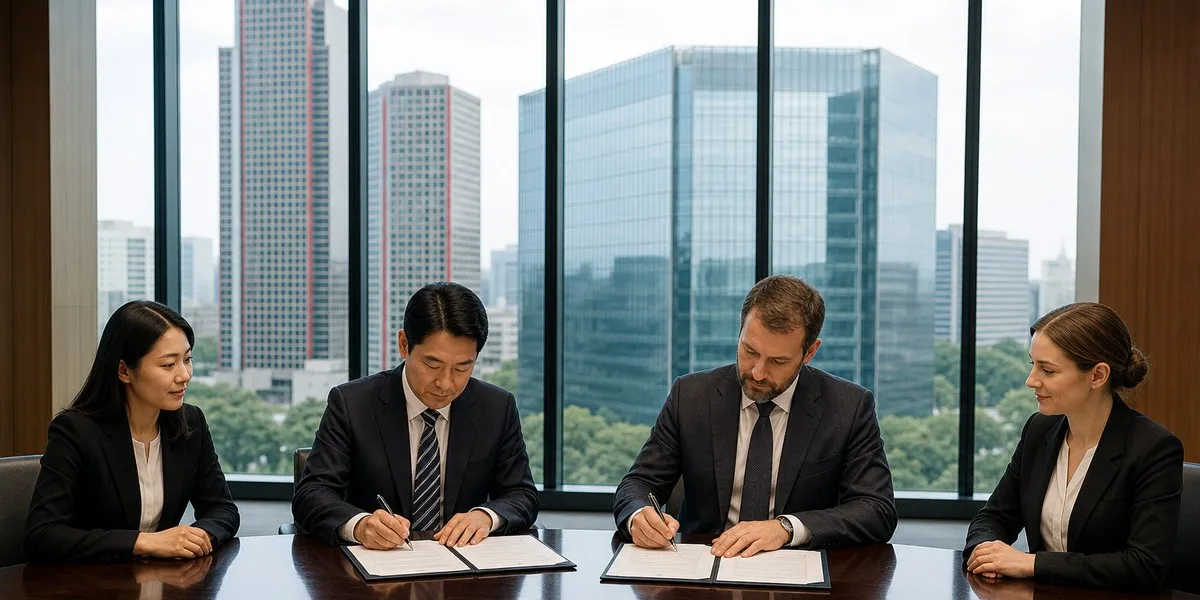
South Korea's LG Chem and Volkswagen Group signed a memorandum of understanding in Seoul, South Korea, on jointly developing next-generation materials for mobility. The partnership provides for the creation of more environmentally friendly plastics and composites, reducing the weight of automotive components and improving their performance, Korea Herald reports.
Materials for automotive components
The companies plan to work with acrylonitrile butadiene styrene, or ABS, materials, as well as LG Chem engineering plastics. Such materials are distinguished by impact resistance, durability and processability. They are used, in particular, for interior and exterior automotive parts.
Under the agreement, LG Chem and Volkswagen will also consider broader use of materials made from post-consumer recycled feedstock and other cost-competitive materials in interior and exterior components for Volkswagen Group's main brands. The parties plan to exchange information on technological and global market trends, as well as conduct joint research and assess the feasibility of using specific materials.
More current news is available on the UA.News Telegram channel Telegram.
Visits to research centers
Before signing the memorandum, Volkswagen Group executives visited LG Chem's Customer Solutions Campus in Osan, Gyeonggi Province. There, they viewed exhibitions and took part in a seminar on sustainable solutions based on post-consumer recycled feedstock, electrification, high-performance materials and solutions.
The delegation also visited LG Sciencepark, the LG Group's research and development center in western Seoul, where it learned about the group's research capabilities in mobility and other future technologies. LG Chem Senior Vice President Kim Sang-min said the agreement marks the beginning of joint work by a global automaker and a materials manufacturer on innovations for future mobility.
LG Chem's annual ABS production capacity at domestic and overseas facilities totals 2.35 million tonnes. In 2020, the company became the first in the industry to begin producing white ABS from post-consumer recycled feedstock, after which it expanded its range of recycled materials for automotive parts.




