
Renault will continue to use physical buttons in its cars, despite the higher cost
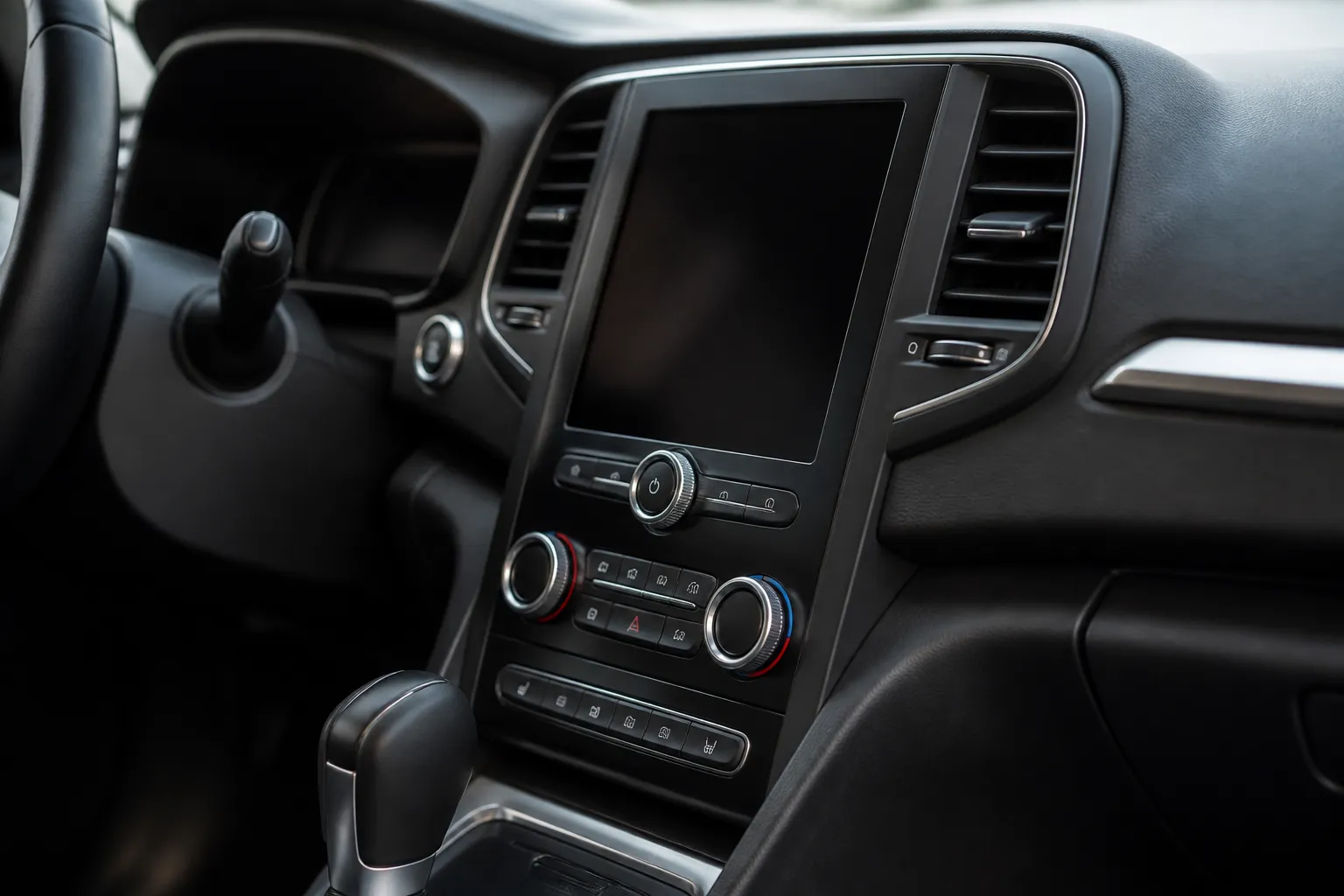
French automaker Renault has no plans to do away with physical buttons and switches in the interiors of its models, even though using them is more expensive than moving most functions to a touchscreen display. The company considers traditional controls an important part of its interior design philosophy, according to Motor1.
Glen Sealy, general manager of Renault Australia, cited traditional switches as one of the brand’s core principles in an interview with GoAuto. According to him, access to functions that drivers use frequently should be simple, intuitive, and familiar. Renault strives to keep as many quick-access controls on buttons as possible, while incorporating technology where appropriate.
The company believes that physical controls are safer for actions such as adjusting the volume, changing radio stations, and accessing other frequently used functions. The driver doesn’t need to search for the desired option in a screen submenu while driving: a dedicated button or control allows the action to be performed with a single press.
For more breaking news, follow the UA.News Telegram channel.
The European New Car Assessment Program (Euro NCAP) also stipulates in its 2026 protocols that physical buttons must be provided for common functions. The organization noted that, according to consumer feedback, such controls can reduce driver distraction.
Renault’s approach differs from the trend of recent years, when manufacturers moved numerous settings to multimedia systems with touchscreens. At the same time, some companies are already rethinking this approach: Audi has promised to bring back the “Audi click,” Volkswagen has acknowledged its excessive reliance on screens and touch-sensitive buttons, and Mercedes has stated that it went too far in doing away with buttons. Toyota is also considering bringing back physical switches for some functions in the RAV4.
Renault proposes dividing tasks among different control methods: using screens for navigation, entertainment, and more complex settings, and buttons for operations that need to be performed quickly without taking your eyes off the road.


