
Film ‘Orphan’ tells of a Jewish boy in postwar Budapest — Jerusalem Post
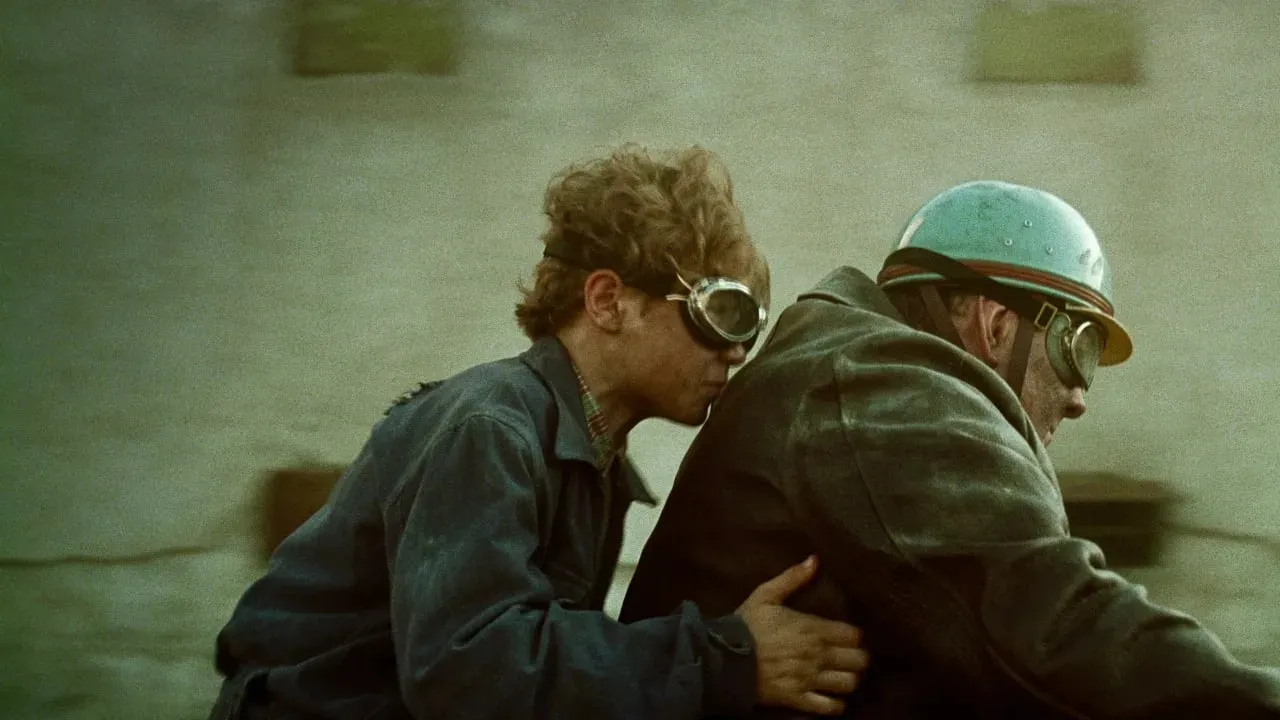
László Nemes’s new film, ‘Orphan,’ which was released in Israel on Thursday, tells the story of 12-year-old Jewish boy Andor in Budapest in 1957. As reported by The Jerusalem Post, the film is set after Soviet forces crushed a student uprising against the Stalinist regime.
Andor’s story
Andor survived the war in an orphanage and, after it ended, was reunited with his mother, Klara, played by Andrea Vaskovics. The boy had been told that his father, Hirsch, was a brave and intelligent man who died in a death camp. Andor preserves every piece of news about him and does not abandon hope that his father may have survived.
Klara works in a state-run shop, barely has money for food, and appears exhausted and depressed. The situation becomes more complicated with the arrival of butcher Berend, played by Grégory Gadebois. According to the plot, during the war he hid Klara and forced her into a sexual relationship. After the war, Klara fled from him, but Berend finds her and seeks to return to her life together with the boy, whom he considers his son.
More current news is available on the UA.News Telegram channel Telegram.
Andor gradually comes to the conclusion that Berend may be his biological father. The man’s appearance destroys the boy’s image of Hirsch and creates a threat for him, as Berend behaves cruelly and wants to live with Klara and Andor.
Postwar drama
‘Orphan’ is based on the story of Nemes’s father and depicts childhood in an atmosphere of fear and violence. The review notes that Klara has virtually no one to turn to for help because Berend maintains ties with local Communist Party functionaries.
Cinematographer Mátyás Erdély shot the film in sepia tones, which, in the reviewer’s opinion, convey the emotional desolation of Andor’s world. The publication also praised the acting and compared the film’s style to François Truffaut’s ‘The 400 Blows’ for its refusal to idealize childhood. Nemes’s previous film, ‘Son of Saul’ from 2015, won the Oscar for Best Foreign Language Film and the Grand Prix at the Cannes Film Festival.




