
Pakistani TV series explore the psychological motives behind infidelity — Dawn
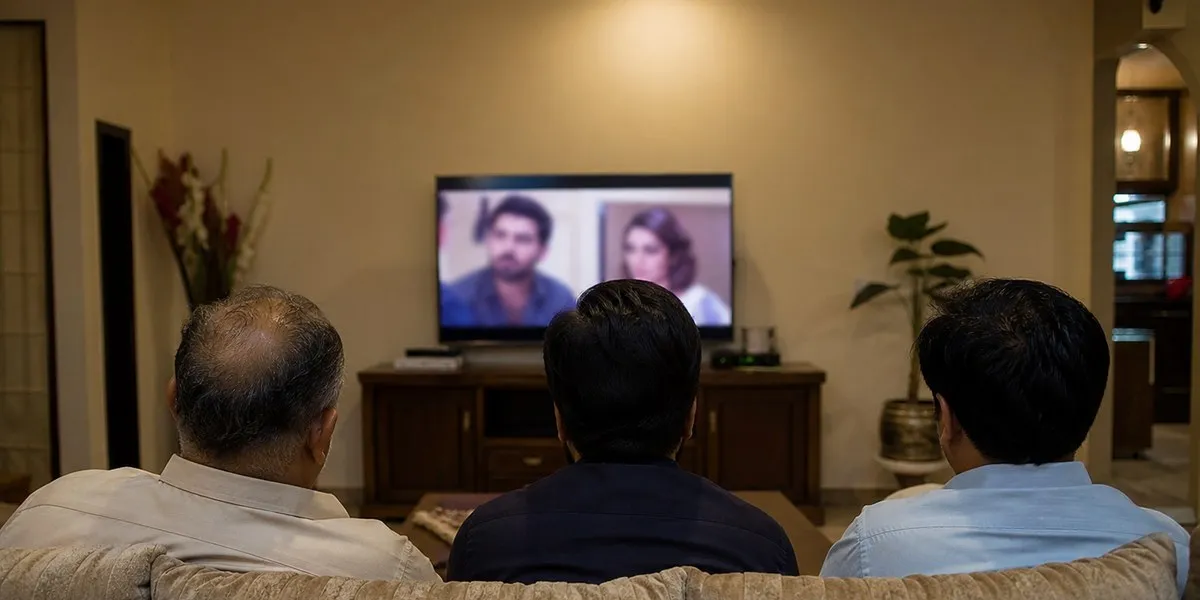
In Pakistan, television dramas are increasingly portraying marital infidelity not only as a scandalous plot twist, but also as a consequence of characters’ emotional needs, desire for status, financial dependence and inner dissatisfaction. This is discussed in an analytical Dawn article devoted to four Pakistani dramas.
The article examines the plots of “Bismil,” “Aap Ki Izzat,” “Kabhi Main Kabhi Tum” and “Mere Pass Tum Ho.” In these stories, infidelity is connected less with physical attraction than with the characters’ need for recognition, fear of aging, desire for material well-being or attempts to escape problems in relationships.
Recognition, money and status
In “Bismil,” Tauqir Taseer, who has a wife, a son and a successful business, grows close to Masooma, his wife’s employee. The article interprets this storyline as a story about his need to feel desired and significant again. Masooma, meanwhile, is interested in the wealth and opportunities that Taseer can provide.
In “Aap Ki Izzat,” Tabish publicly advocates for women’s rights but decides to marry his secretary, Naaz. His wife, Beena, receives no support from those close to her, who urge her to accept the situation. According to the publication, this story shows the pressure on women who are expected to preserve their marriage regardless of humiliation or loss of trust.
More current news is available on the UA.News Telegram channel Telegram.
In “Kabhi Main Kabhi Tum,” Adil marries his wealthy boss, Rubab, expecting financial benefits. Later, he begins an affair with her friend Natasha and manipulates Rubab’s business accounts. The article describes this union as a relationship in which love and marriage have turned into an economic transaction.
The consequences of infidelity for the family
In “Mere Pass Tum Ho,” Mehwish cheats on her husband Danish with the wealthy Sheheryar, choosing the prospect of a more affluent life. Dawn draws attention to double standards in audience reactions: according to the article, viewers condemned female infidelity more harshly than similar actions by male characters.
The article also notes that the dramas rarely show the restoration of trust after infidelity, psychological help for couples and consequences for children. Experienced infidelity can affect sleep, appetite, concentration and the sense of safety of the partner who was cheated on. Children, in turn, may feel tension between their parents even if they do not understand the reasons for the conflict.
The article emphasizes that explaining the psychological reasons for infidelity does not justify it. The characters in these dramas had alternatives — an honest conversation, ending the relationship, consulting a specialist or divorce — but chose concealment and self-deception.




