
Ghana explains biblical symbolism of Ohemaa Mercy’s image at Tehillah Experience
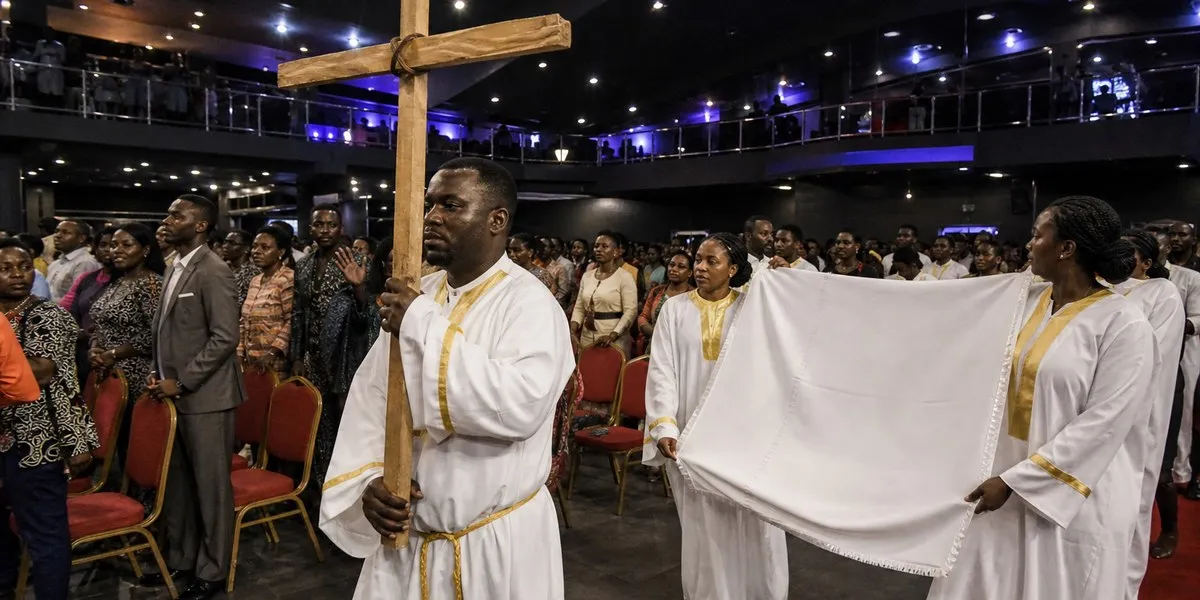
In Ghana, during the Tehillah Experience 2026 event, the team of organizer Ohemaa Mercy explained the biblical symbolism of her stage image and ceremonial entrance. The event took place on September 13 at the Oil Dome of Royal House Chapel International and brought together thousands of Christians and gospel music fans.
Symbolism of the headdress and clothing
As MyJoyOnline reports, Ohemaa Mercy’s management described her headdress as a reference to the high priest’s mitre described in the Book of Exodus. The statement said that this element symbolized priestly ministry, consecration, and submission to divine authority.
The performer’s white-and-gold clothing was linked by her team to several biblical images. According to this explanation, white represented purity and dedication, gold represented glory and royalty, while crimson represented sacrifice. The management described the attire not as a costume, but as “priestly regalia for ministry at the altar.”
More current news is available on the UA.News Telegram channel Telegram.
Procession with a cross
Before Ohemaa Mercy’s entrance, a cross with white cloth was carried ahead. The performer’s representatives said that the cross was meant to symbolize Christ going before them, while the white linen represented righteousness and resurrection. The explanation also stated that the cross was intended to embody reconciliation with God through Christ’s sacrifice.
Her entrance onto the stage was accompanied by the sounds of horns and intercessory prayers. The management compared the procession to Esther’s entry into the royal court and a priest’s entry into the holy place. Within this interpretation, the Oil Dome was called not a concert venue but a tabernacle for the duration of the event.
Francis Amo, Ceccy Twum, SK Frimpong, Michael Mahendere, Petra Odubayo, and Kofi Peprah also performed as part of the program.


