
Apollo Atomics Raised $26 Million for a Compact Steam Generator
The startup Apollo Atomics has raised $26 million in a seed round to build a demonstration nuclear reactor ahead of its planned commercial deployment in 2028. The total amount includes $5 million in debt financing, according to TechCrunch.
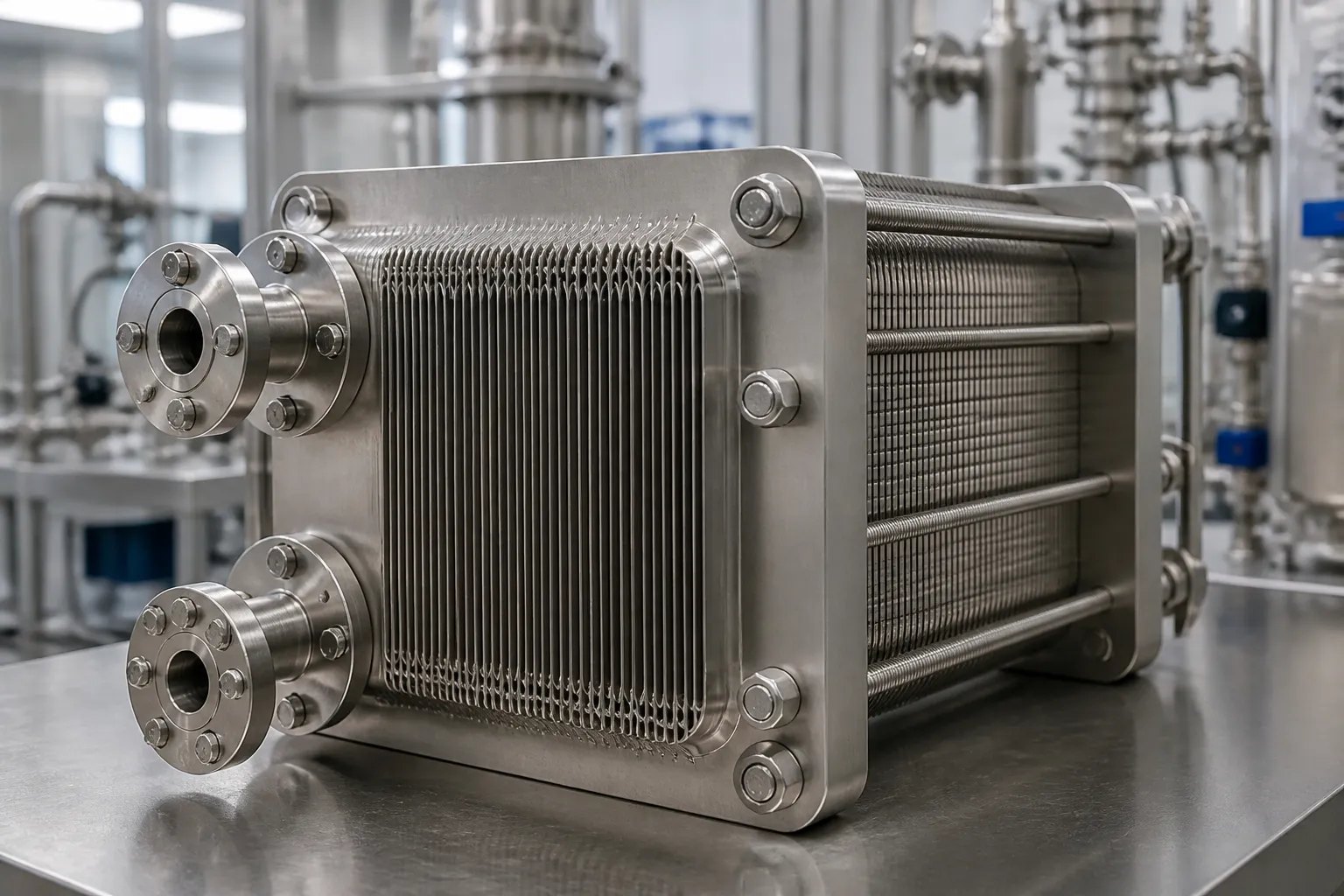
The company was founded by Assil Khalimi and Drew Walker. Rather than developing a new type of reactor, the startup has focused on the method of converting thermal energy into electricity, specifically the steam generator. This component generates steam from the reactor’s cooling loop, which drives a turbine.
According to Apollo Atomics, its steam generator will be suitable for mass production and will be approximately the size of a person. Traditional steam generators are usually built by hand, and their height can reach several stories. The startup claims that thanks to the compact generator, it will be able to create a reactor 40 times smaller than a reactor with a conventional steam generator.
In the proposed design, two fluid loops will pass through a compact metal block with thin channels. The company believes that this configuration will ensure more efficient heat transfer and allow for a smaller system size.
For more breaking news, follow the UA.News Telegram channel.
Apollo Atomics has already built a 40-kilowatt reactor at the Massachusetts Institute of Technology to demonstrate the technology. The company plans to offer reactors with an electrical output ranging from 10 to 300 MW and to assemble the reactor and steam generator at a factory rather than directly at the construction site.
Halimi predicts that a 300-megawatt power plant could be built in less than 24 months, and that the reactor itself will cost four to five times less to manufacture than existing designs. He also estimated the potential cost of electricity generation at the Apollo plant at 3 cents per kilowatt-hour. The company states that its goal is to undercut natural gas in terms of generation costs.
The funding round was led by FCVC. Other participants include Telesoft Partners, Y Combinator, Alumni Ventures, Robinhood Ventures, Nucleation Capital, Pelion VC, Duke Capital Partners, New Era Ventures, Orange Collective, Stanford University, E14 Fund, and Neutron Power Ventures.




