
Global gas shortage could last at least until summer 2027 — OilPrice
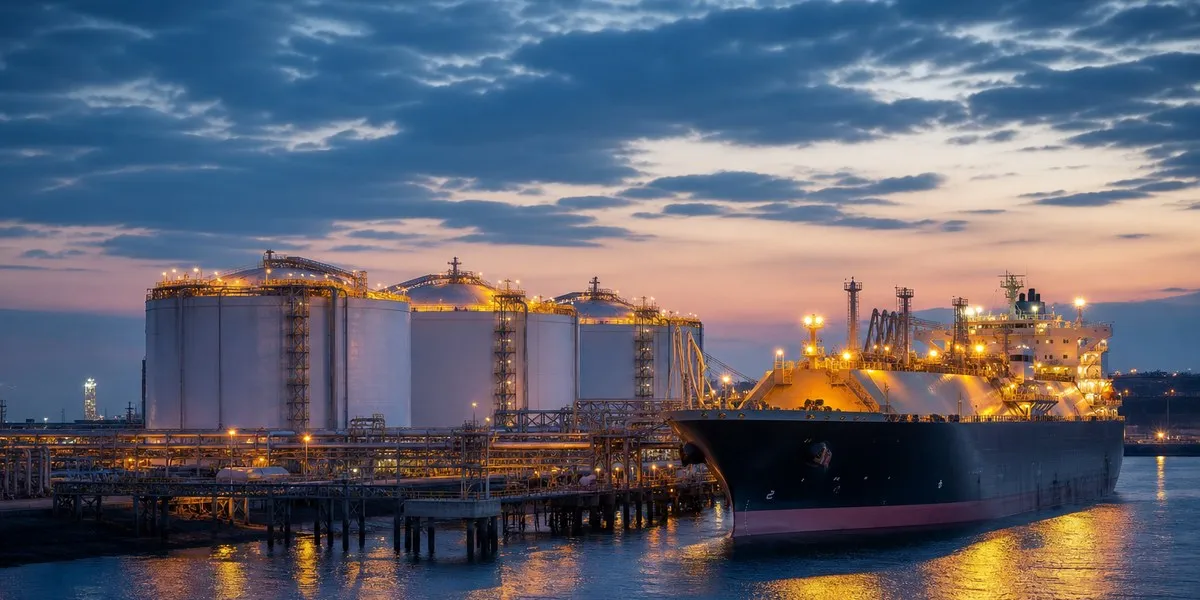
The global natural gas market may remain tight at least until summer 2027 due to reduced exports of liquefied natural gas from the Persian Gulf amid Iran’s war with the United States and Israel. The International Gas Union published this forecast, OilPrice reports.
International Gas Union Secretary General Menelaos Ydreos told Reuters that the market expects the conflict to drag on. According to him, Europe has begun outbidding Asian LNG buyers as it seeks to replenish gas storage facilities ahead of the heating season. He also noted that higher gas prices have already caused demand to decline, although it remains unclear whether this effect will be temporary.
Prices and competition for LNG
According to Goldman Sachs estimates, European prices could fall from around €70 to €50 per MWh if LNG supplies from the Persian Gulf resume. At the same time, the bank’s analysts forecast an average gas price in Europe of €70 per MWh, which is significantly above their previous estimate of between €30 and €60.
Goldman Sachs said that LNG exports from the Persian Gulf amount to only 15–25% of the level before the war began in February 2026. Without an improvement in supplies through the Strait of Hormuz, European buyers will have to offer higher prices to compete with other importers for available LNG cargoes.
More current news is available on the UA.News Telegram channel Telegram.
Shift to coal and Russian LNG
Amid rising gas costs, some European electricity producers are switching to coal. Reuters reported that coal consumption by European power plants could increase by 25% over the next six months. In September, gas prices in Europe reached €80 per MWh, the highest level in three years, while in the 30 days leading up to September 24, the European gas benchmark gained more than 17%.
The European Union previously approved a ban on imports of Russian LNG, which is set to take effect in January. In Ydreos’s view, volumes from the Yamal LNG project may be redirected to Asian buyers and sold at a discount. This will, at the same time, further narrow the LNG supply base available to Europe.
Regulatory risks
The International Gas Union also drew attention to tensions between the EU and major LNG suppliers over methane emissions monitoring requirements. Qatar and the United States, which are the largest LNG suppliers to the European Union, have said they will not comply with rules requiring the tracking of every molecule of gas in relation to emissions.




