
Experts have warned of risks to U.S. strategic petroleum reserve storage facilities
U.S. Strategic Petroleum Reserve stocks have fallen below 300 million barrels for the first time since the early 1980s amid the release of oil due to supply disruptions caused by the war with Iran. Experts interviewed by CNBC warned that rapid withdrawal of reserves could damage the salt caverns where the crude is stored.
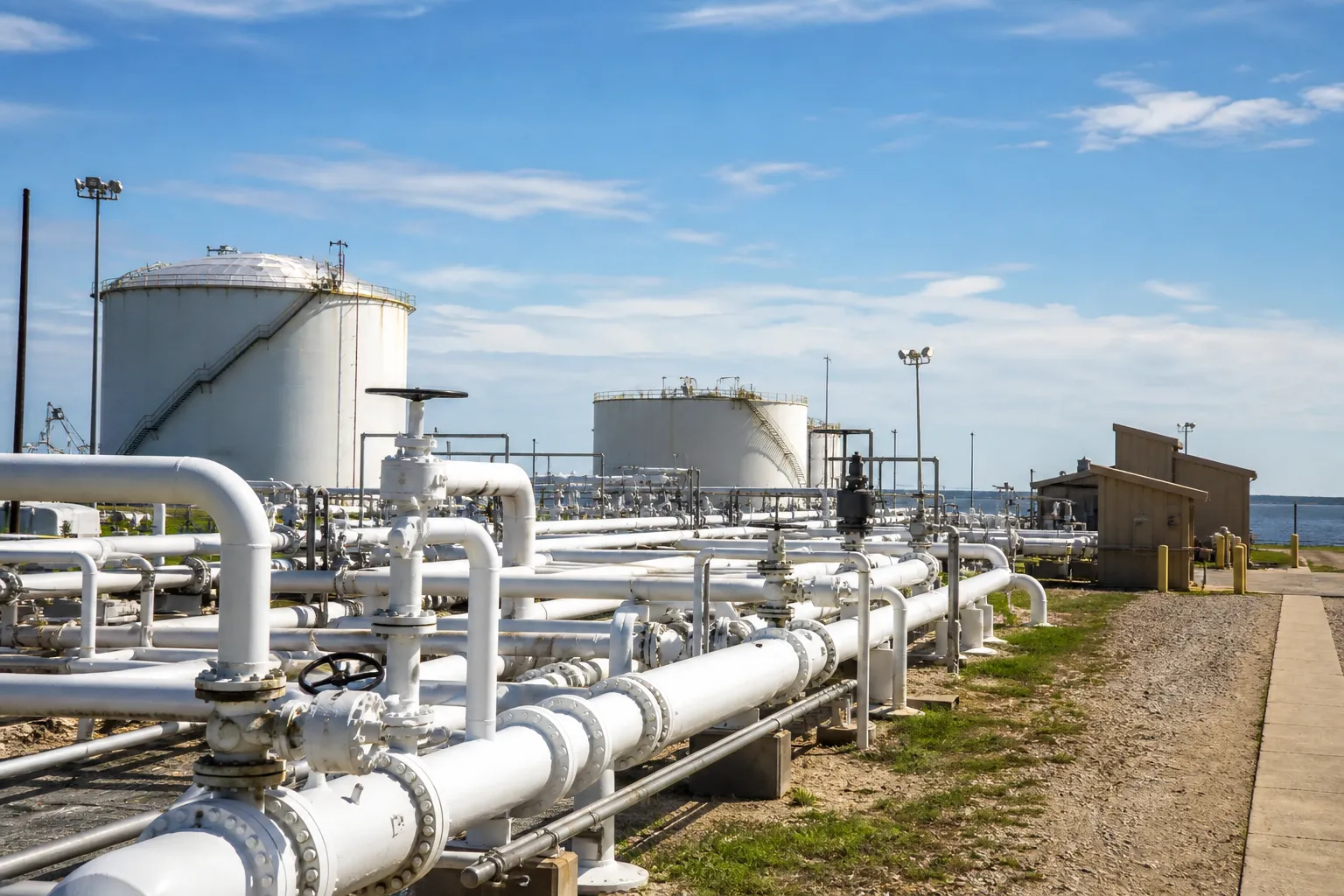
The reserve’s oil is stored in 60 underground salt caverns at four facilities along the Gulf of Mexico coast in Louisiana and Texas. According to the U.S. Department of Energy, the country is releasing 172 million barrels. Once this drawdown is complete, the reserve is expected to hold approximately 243 million barrels.
Amos Hochstein, former senior energy advisor to President Joe Biden, stated that reducing reserves below 300 million barrels risks damaging the caverns and slows the ability to rapidly supply oil during emergencies. He also disputed the Department of Energy’s assessment that leaving 70 million barrels is sufficient for the safe operation of the storage facilities.
For more breaking news, follow the UA.News Telegram channel.
Siddharth Misra, a professor of petroleum engineering at Texas A&M University, called 70 million barrels the strict physical minimum required to keep the pumping pipes submerged in oil. At the same time, he estimated the practical operational minimum at 250–300 million barrels. According to him, as the oil layer thins, the risk of damage to pipes and pumps increases, and injecting fresh water during rapid extraction can dissolve the salt walls of the caverns.
Energy Department spokesperson Ben Dietderich dismissed claims about the risk of cavern collapse. He told CNBC that the caverns are constantly filled, and only the oil-to-water ratio changes. The department also stated that the Donald Trump administration is managing the reserve responsibly as a national security asset.
A May report by the U.S. Government Accountability Office noted that repeated cycles of partial withdrawal and replenishment of reserves could alter the shape of the caverns. At the same time, following the 2022 withdrawal, most of them were found to be in very good condition. According to the agency, as of December 2025, more than a quarter of the reserve’s stockpile was inaccessible for withdrawal due to construction work and problems with the caverns.


