
Google to purchase 396 MW of geothermal power from Fervo in Utah
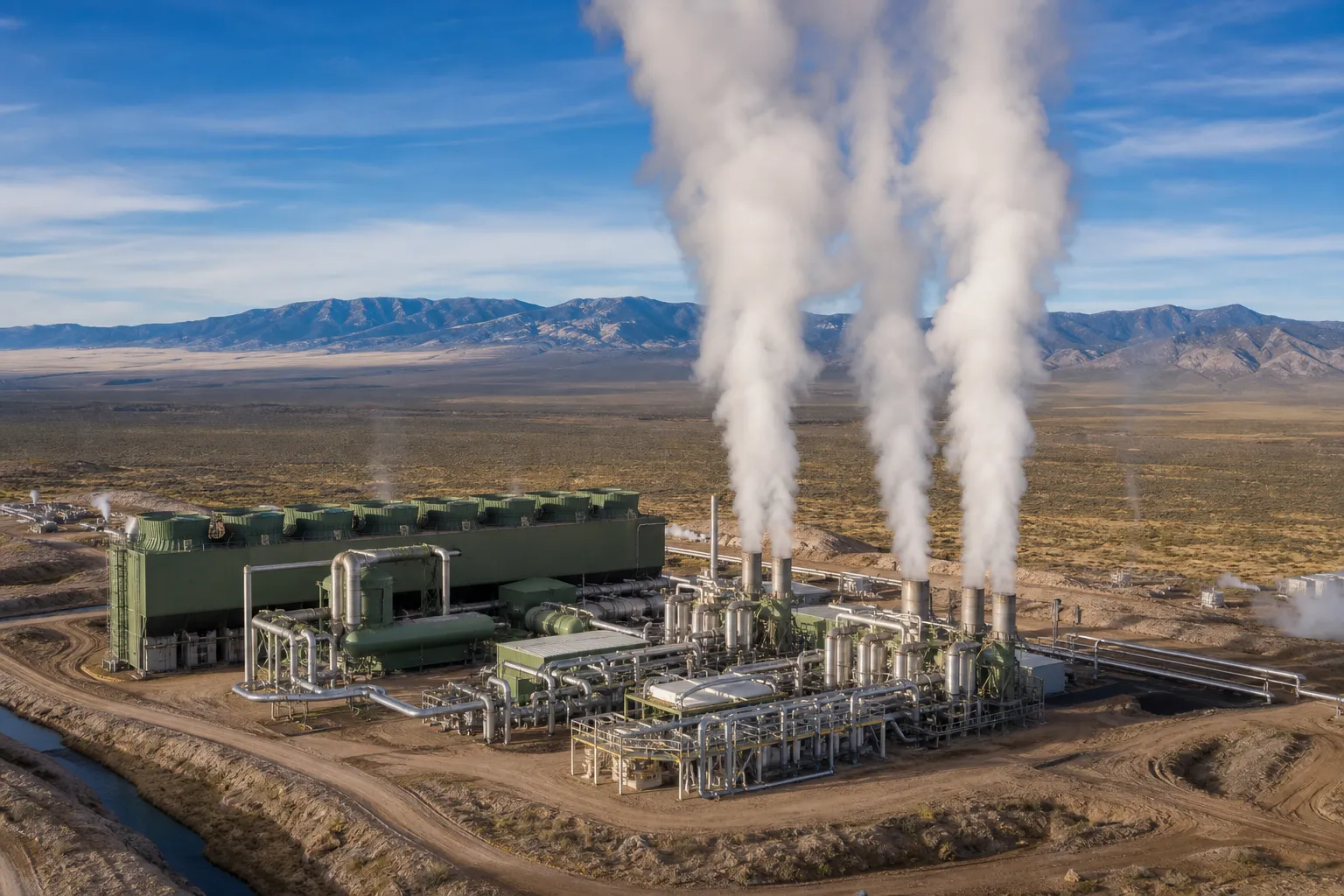
Google has signed an agreement to purchase 396 MW of electricity from Fervo's Cape Station geothermal power plant in the U.S. state of Utah. The electricity is planned to be directed to Google's new data center in the state. Cape Station is expected to begin operations in 2028.
As TechCrunch reports, the power purchase agreement also gives Google the right to buy an additional 600 MW through June 2030. In that case, the total volume of purchases could increase to 996 MW.
Cape Station's potential
Fervo has permission to develop up to 2 GW of geothermal generation at Cape Station. Fervo Senior Vice President of Strategy Sarah Jewett told TechCrunch in May that an independent engineer had assessed the site's thermal resource as sufficient to produce twice as much electricity — up to 4 GW.
According to a recent U.S. Department of Energy report, full implementation of the 4 GW project would nearly double the country's entire geothermal generating capacity. The report also noted that enhanced geothermal technologies, like those developed by Fervo, make it possible to use deeper heat sources. Their potential in the United States is estimated at up to 57 TW of electric capacity.
More current news is available on the UA.News Telegram channel Telegram.
Power supply for data centers
Google and other major data center operators are seeking new sources of electricity in the United States. For years, the company has been purchasing electricity from wind and solar generation, as well as energy storage systems, seeking to achieve net-zero emissions by 2030.
In April, Google signed an agreement with data center developer Crusoe for the supply of 933 MW of electricity from gas-fired generation in Texas. The contract with Fervo could help the company power its artificial intelligence ambitions without significant risk to its stated climate target.
Fervo and Google have been cooperating for more than five years. Google purchased part of Fervo's initial electricity output and also invested in the geothermal startup's latest funding round before its initial public offering.


