
Calls for Cyprus finance minister to resign — Cyprus Mail
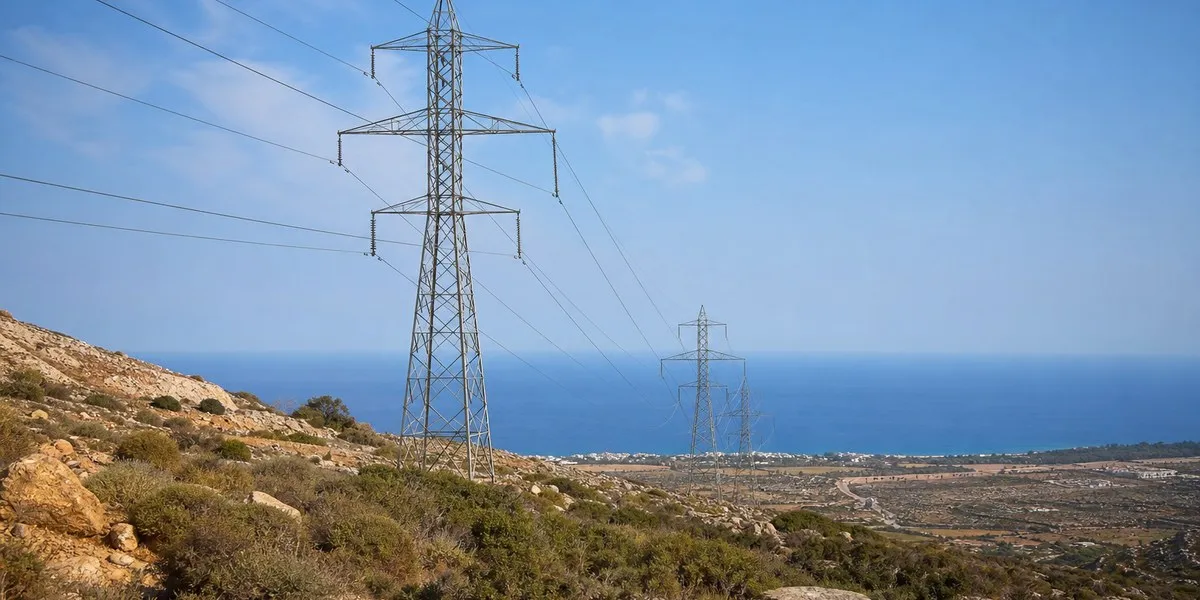
In Cyprus, Diko party leader Nikolas Papadopoulos called on Finance Minister Makis Keravnos to resign over his reservations about the Great Sea Interconnector project. The planned energy link is to connect the electricity grids of Cyprus, Greece and Israel, Cyprus Mail reports.
Papadopoulos said there were contradictions in the positions of the Cypriot authorities regarding the project. He referred to statements by President Nikos Christodoulides on continuing the work and Cyprus’ readiness to pay the Greek government €25 million after Greece issues a NAVTEX, a navigational warning regarding planned seabed surveys between Crete and Cyprus.
Diko leader’s position
According to Papadopoulos, such a payment is the right position. In his view, the electricity connection will strengthen Cyprus’ geostrategic position, help ensure sufficient electricity supplies and reduce its price.
The Diko leader also said that Keravnos constantly criticises the project but provides no studies or data to support his position. Papadopoulos questioned why the minister does not resign if he disagrees so strongly with the project promoted by the president, even though Keravnos, in his assessment, considers it detrimental to the country.
More current news is available on the UA.News Telegram channel Telegram.
Ministers’ reservations
Keravnos had previously warned that the project’s cost could substantially exceed the projected €1.9 billion. He also questioned whether the energy link would lead to lower electricity prices for consumers.
The finance minister publicly disputed with Greek minister Stavros Papastavrou over studies into the project’s viability. Keravnos stated that the relevant studies had been commissioned by Cyprus’ then energy minister Georgios Papanastasiou and sent to the relevant Greek ministry.
Energy Minister Michalis Damianos expressed similar doubts about the energy link’s impact on prices. In response, the European Commission noted that developing electricity interconnections may help reduce prices through the integration of more renewable energy sources. Papanastasiou also stated that access to more suppliers strengthens competition and encourages lower prices for consumers.


