
Shmyhal Warned of Power Outages Due to Russian Attacks on the Energy Sector
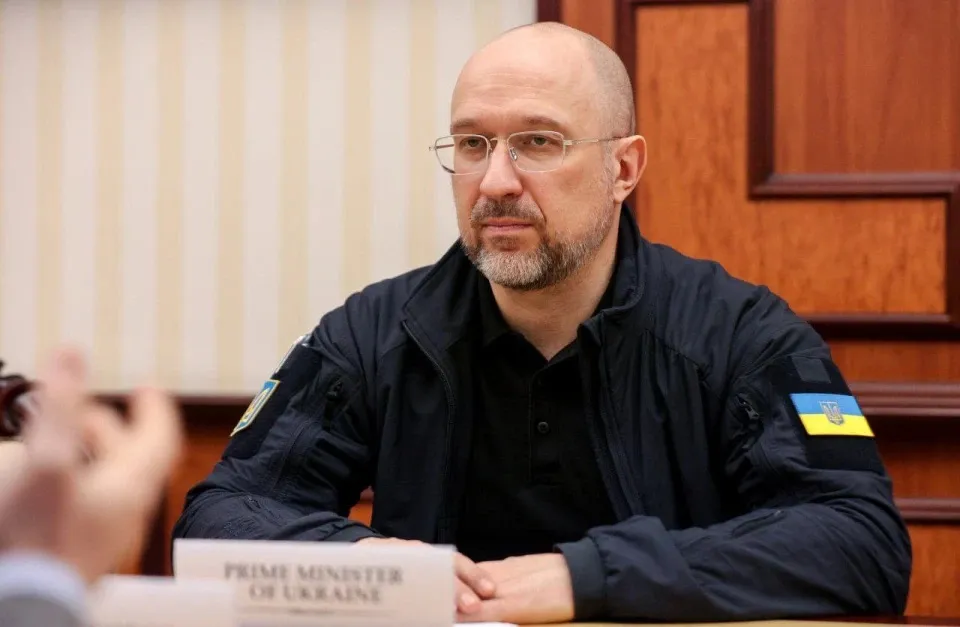
Energy Minister Denys Shmyhal stated on August 21 that Ukraine is not currently implementing planned power outages and that the power grid is operating stably. However, the situation may change depending on the intensity of Russian attacks on energy facilities.
Ukraine’s power grid is currently operating stably, and there are no scheduled power outages. However, the situation may change depending on the intensity of Russian air strikes.
According to Energy Minister Denys Shmyhal, the enemy is pursuing a strategy of attrition, as electricity sustains the lives and well-being of Ukrainians and forms the foundation of the war economy. Today, the energy sector is under attack from jet drones, cruise missiles, and ballistic missiles, but the power grid is holding up.
“We have endured four difficult winters during wartime, and a fifth lies ahead, one that is no less challenging with its own set of challenges,” he noted.
During the evening peak, taking into account cogeneration and imports, 15 gigawatts of electrical capacity is available today. Nuclear power accounts for over 40%, thermal power plants for 25%, and hydropower for another 15%.
Currently, 6 of the 9 nuclear power plant units are generating electricity, while 3 are undergoing scheduled maintenance. Maintenance on 5 units has already been completed this year.
At the same time, Shmyhal pointed out the risks facing the city of Kyiv and the Poltava region. According to him, the enemy is already attempting to destroy power generation facilities, preventing them from being protected or installed.
“Yesterday, one of the power facilities was struck, and this sets us back in our repair program plans,” he noted.
Shmyhal called on local authorities to accelerate construction, emphasizing that this is their obligation and responsibility. According to him, the state is providing all necessary support, “sometimes even more.”
The government plans to continue increasing energy capacity. By November 1, capacity is expected to reach 19.6 gigawatts, and by the end of the year—21.4 gigawatts—provided the enemy does not destroy facilities that have already been restored or repaired. These figures account for distributed generation and import capacity.
The government has identified preparations for winter as a key priority, and work is ongoing 24/7.
Source: Rada
On the evening of August 20 and during the night of August 21, Russian troops attacked the Nikopol, Synelnykove, and Pavlohrad districts of Dnipropetrovsk Oblast with drones. Local authorities reported on the consequences of the strikes.
On the night of August 21, Russian forces attacked the village of Lebyazhe in the Chuhuiv district with six strike drones. The attack killed two women and injured two others; private homes were also damaged and destroyed.
On the night of August 21, Russia launched a massive drone strike on the Sumy region, targeting Sumy and Konotop. The shelling damaged residential buildings, and at least two people were injured.




