
Global biofuel production could rise by nearly 70% by 2030 — OilPrice
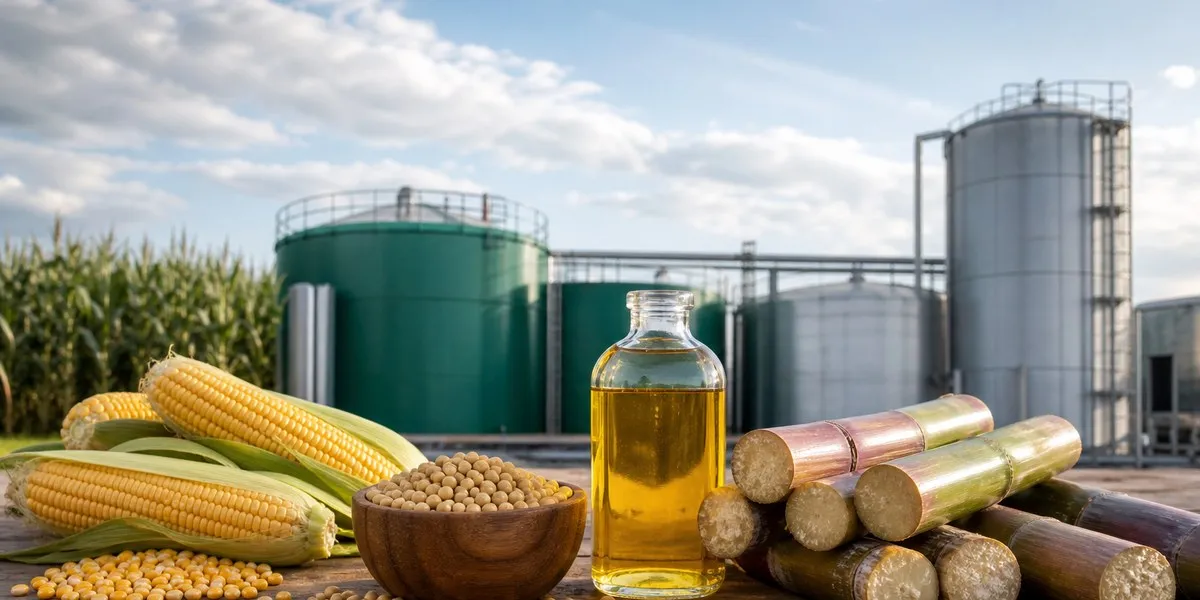
Global biofuel production could increase by nearly 70% by 2030 as major producing countries raise requirements for the share of biofuels in motor fuel. This forecast is contained in a study prepared with the participation of the British think tank Chatham House and the Forest Stewardship Council, OilPrice reports.
The study’s authors link the policy changes to the energy crisis amid the conflict in the Middle East. As oil and gasoline prices rise, ethanol and other types of biofuels added to conventional fuel are becoming more competitive. The United States, the EU, Brazil, India and Indonesia have already adopted or proposed higher requirements for such blends.
Requirements in the United States, Brazil and Indonesia
The U.S. Environmental Protection Agency in April set new renewable fuel volume requirements for 2026–2027. Requirements for biomass-based diesel amount to 5.4 billion gallons in 2026 and 5.7 billion gallons in 2027, compared with 3.35 billion gallons in 2025. Separately, the agency authorized nationwide sales of E15 gasoline containing 15% ethanol during the summer season.
More current news is available on the UA.News Telegram channel Telegram.
In Brazil, the mandatory ethanol share in gasoline was temporarily raised to 32% in July. In June 2025, it was increased from 27% to 30%. According to Brazil’s Ministry of Energy, the E32 blend will replace about 900 million liters of imported gasoline per year. On July 1, 2026, Indonesia launched a mandatory B50 program that provides for a 50% blend of palm oil-based biodiesel in conventional diesel fuel.
Risks to food and land
The study warns that if the proposed standards are fully implemented, the area of land needed to grow feedstocks for biofuels could double. This could require another 36 million hectares, an area roughly comparable to Germany’s size.
The authors believe that expanding biofuel production could intensify competition for corn, rice, soybeans, sugar cane and vegetable oils between the fuel and food sectors. They noted that additional shocks, including extreme weather events, could significantly affect food prices. The International Council on Clean Transportation has also warned that shipping alone could generate demand for 140 billion liters of biofuels by 2035, about three times more than the current global market for biofuels made from vegetable oils.




