
Melbourne residents protest 15-metre poles for data centres — ABC News Australia
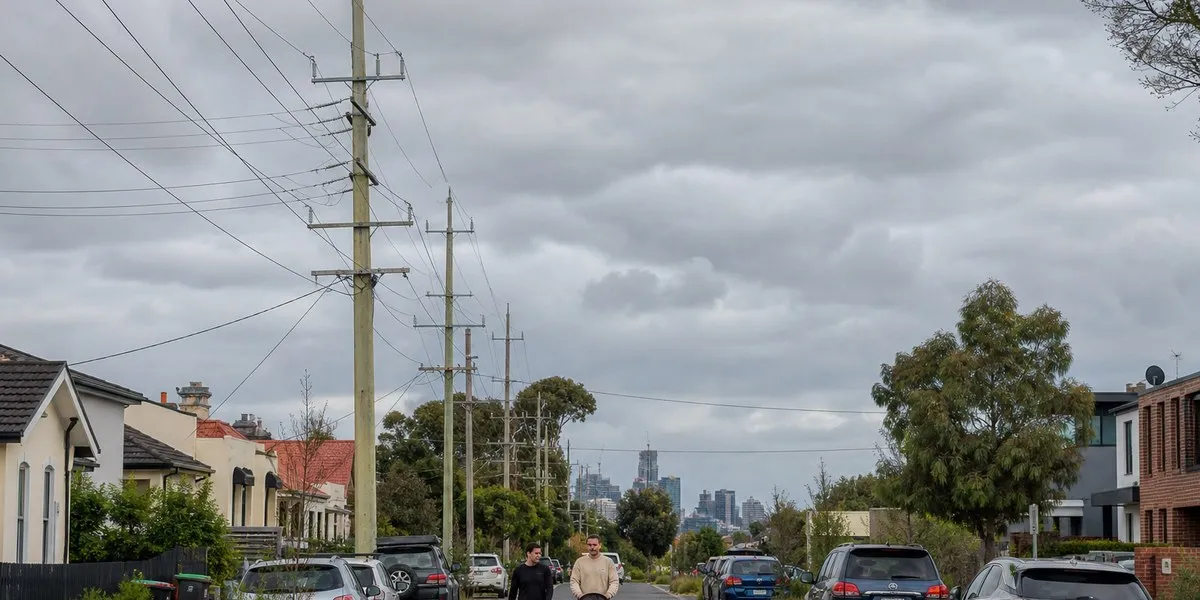
In Melbourne, Australia, residents of the western suburbs are protesting against the installation of 15-metre power poles, which are replacing seven-metre wooden poles on residential streets. The new poles are designed for voltages of up to 66,000 volts — about 160 times higher than previously on these streets, ABC News reports.
Cameron Botterill, a resident of Melbourne’s inner west, said he learned the reason for replacing the poles only after they had been installed. According to him, workers explained that the power supply was being run to a data centre located more than a kilometre from his home.
Network upgrade and data centres
Distribution company Jemena said the new poles are part of an upgrade to the local network intended to support Melbourne’s growing energy needs. Michael Brear, a professor of mechanical engineering at the University of Melbourne, explained that large electricity consumers, including data centres, can be supplied more economically and safely at higher voltages. This is why taller poles are needed for such lines.
A NextDC data centre is already operating in West Footscray and is being expanded. Another data centre has been proposed for this suburb, and one more for Spotswood. Jemena acknowledged that communication with residents and community engagement could have been better. The company said it had paused work in order to hear local residents’ concerns.
More current news is available on the UA.News Telegram channel Telegram.
Work blocked on the street
In Spotswood, Paul Tindale’s family, according to him, learned about a data centre planned nearby from a worker who was disconnecting electricity to install a new pole. On Sanderson Street in Yarraville, residents left cars and rubbish bins to block machinery from accessing the work site. Jemena crews filled in the prepared holes and left; as of ABC’s report, they had not returned.
Victorian Labor Party MP Katie Hall called for considering a change to the route of the lines or placing them underground. Jemena noted that underground infrastructure is more expensive and complex, while the company described upgrading the existing overhead network as the most efficient and practical option.
According to Data Centres Australia, large consumers, including data centres, must pay all connection costs and the necessary network upgrades in advance. Jemena confirmed that the upgraded poles are part of such work. On September 22, the Victorian government announced new rules that provide for a ban on data centres in residential areas, a 150-metre buffer zone from homes, and a requirement to use renewable energy.




