
US restrictions on Chinese batteries could delay energy projects — OilPrice
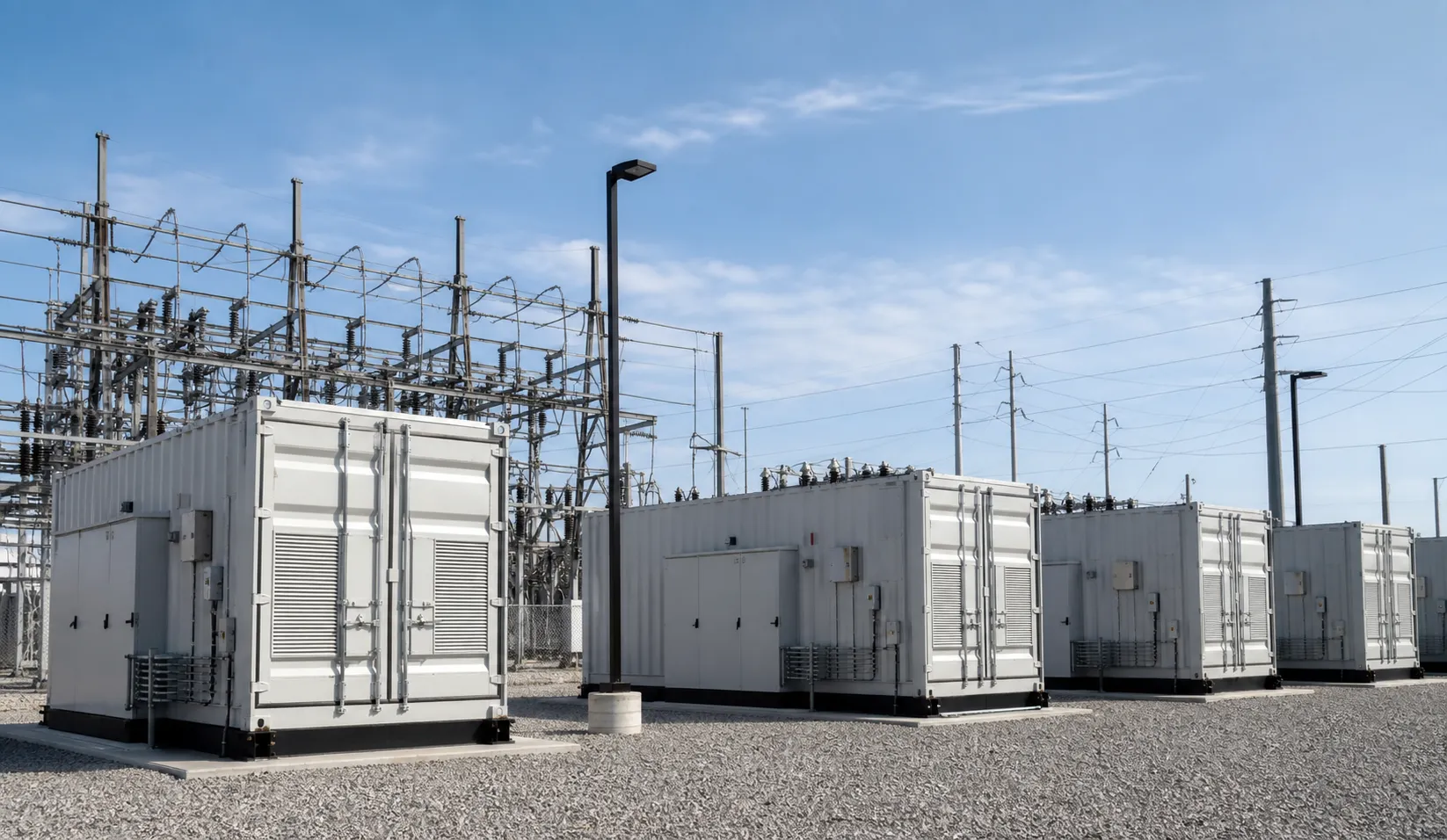
In the United States, the administration declared a state of emergency at the end of August, effectively restricting the use of China-made batteries in energy storage systems for power grids. Cybersecurity risks were cited as the basis, but the unclear terms of the decision are creating uncertainty for project developers, OilPrice reports.
Dependence on Chinese production
According to the International Energy Agency, China produces approximately 80% of all battery cells worldwide. The country also accounts for 85% of global production of active cathode materials for electric vehicle batteries and more than 90% of active anode materials.
In addition, China processes most of the critical minerals used in battery production. In August, the US federal government allocated $500 million to seven companies working with battery minerals, their production and processing. The aim of the funding is to develop the domestic sector and reduce dependence on Chinese supply chains.
More current news is available on the UA.News Telegram channel Telegram.
Potential project delays
Tu Le, founder and managing director of Sino Auto Insights, said that building supply chains capable of competing with Chinese ones requires decades and tens, or possibly hundreds, of billions of dollars. According to him, US companies have significant innovation potential, but mass-producing high-quality batteries in large volumes remains a separate complex challenge.
Critics point out that the August 26 order contains broad wording on banning foreign-made electrical equipment for bulk power systems. According to BloombergNEF, uncertainty over the terms of the state of emergency could lead to short-term delays or cancellations of energy storage projects while developers await clarifications, review contracts, or change suppliers.


