
New Zealand expects to avoid fuel shortages despite Hormuz Strait crisis
New Zealand officials are cautiously optimistic about the possibility of avoiding fuel shortages despite supply risks following the closure of the Strait of Hormuz. This was reported by RNZ World, citing Ian Kossar, deputy secretary at New Zealand’s Ministry of Business, Innovation and Employment, who is responsible for fuel supply response.
According to Kossar, the country was among the most vulnerable to a disruption of shipping through the Strait of Hormuz. After US and Israeli strikes on Iran in February, which, according to the publication, led to the closure of the strait, the government created an interagency response group involving 11 agencies. The Treasury coordinated pricing issues, while the Ministry of Business, Innovation and Employment handled supplies. At the most acute stage, the group met daily.
Dependence on Asian suppliers
New Zealand no longer refines oil domestically and depends heavily on Asian markets. In 2025, South Korea, Singapore, Malaysia and Japan supplied more than 90% of the fuel consumed in the country. Sea deliveries take about three weeks.
The country operates under a “just-in-time” supply model: the total volume of fuel, including cargoes at sea, is calculated to last about 50 days, with around 20 days accounted for by supplies in transit. Cargoes are booked up to three months in advance. Since the beginning of the crisis, only one shipment has been delayed because the vessel was redirected to another destination. According to Kossar, fuel for New Zealand was purchased from another supplier within six hours.
More current news is available on the UA.News Telegram channel Telegram.
Global market adaptation
Kossar attributed his optimism about avoiding another shock to the rapid adaptation of markets, additional production in the United States, Kazakhstan and Brazil, as well as the release of reserves by decision of the International Energy Agency. By the beginning of August, about 300 million barrels out of the planned 400 million barrels of global reserves had entered the market.
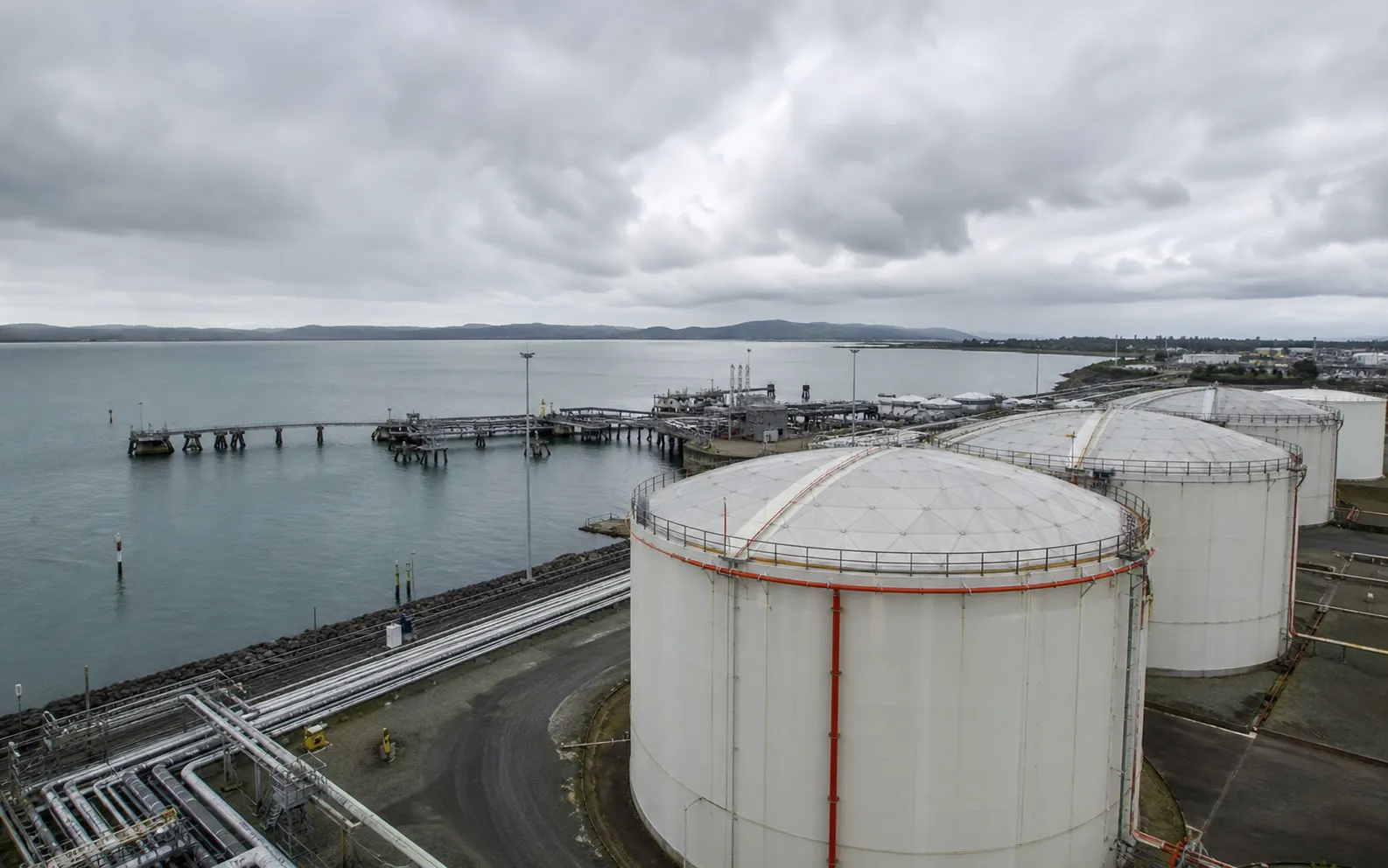
Supplies from the Middle East continued via alternative routes, ship-to-ship transfers and overland pipelines. China, one of the world’s largest oil importers, reduced purchases by one-third or one-half, weakening global demand. Kossar also cited stocks at the Marsden Point terminal and the continued flow of supplies through the Strait of Hormuz and the Red Sea as additional factors.
New Zealand is preparing for a possible new shock, but Kossar said he does not currently expect fuel shortages. At the same time, he acknowledged that higher fuel prices would affect the country.


