
U.S. oil closes above $102 per barrel amid fighting in the Persian Gulf
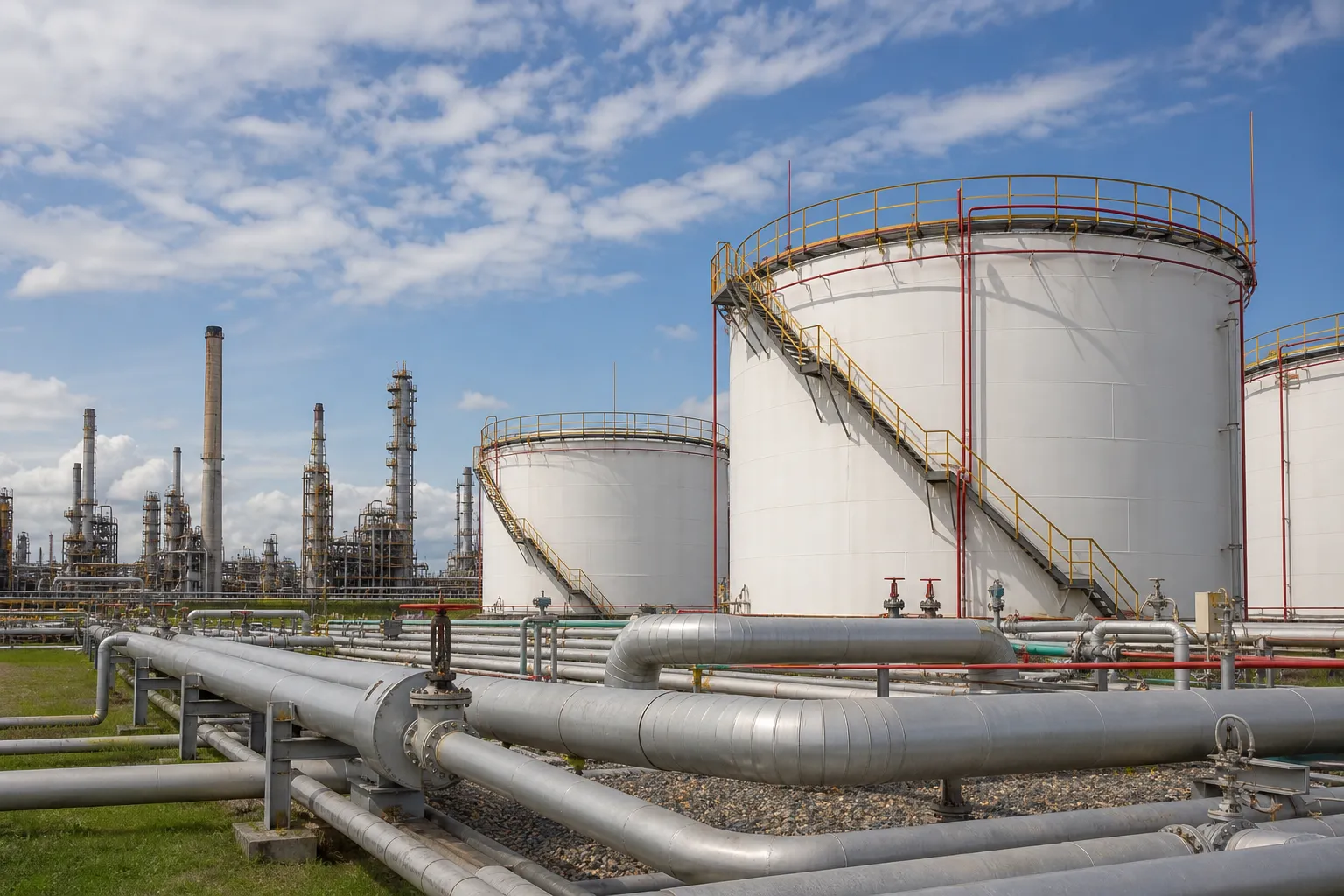
The price of U.S. oil exceeded $100 per barrel this week for the first time since May and closed above $102 on Thursday. The increase came amid an escalation of fighting in the Persian Gulf and the shutdown of Saudi Arabia’s key East-West oil pipeline after several attacks, CNBC reports.
U.S. oil futures rose by about 50% from their summer low of $68.55 per barrel. Prices reached that level about three weeks after Washington and Tehran signed a memorandum of understanding on June 17, which later collapsed. Rapidan Energy President Bob McNally noted that the United States resumed its naval blockade of Iran in July.
The role of Chinese demand
Further oil price movements will largely depend on China’s import volumes. Rebecca Babin, senior energy trader at CIBC Private Wealth, believes the market may not have fully priced in a potential increase in commodity purchases by Chinese refiners. According to her, this could further intensify market tensions.
More current news is available on the UA.News Telegram channel Telegram.
McNally said China reduced oil imports by 3–5 million barrels per day and drew on oil stocks exceeding 1 billion barrels. At the same time, high diesel production margins are creating an incentive for Chinese refiners to increase oil purchases. Babin linked the rise in these margins to the loss of a significant share of global refining capacity due to the wars in Iran and Ukraine.
Imports and inventories
According to Kpler, China’s oil imports fell in June to about 6 million barrels per day, nearly 50% lower than 11.5 million barrels per day in February. In July and August, deliveries increased to about 7 million barrels per day. Kpler’s director of commodity market research, Matt Smith, believes purchases in September remain close to the level of the previous two months and are unlikely to rise sharply, as Beijing may rely on inventories and restrain refinery utilization.
Meanwhile, according to the U.S. Energy Information Administration, global inventories declined by 400 million barrels over more than six months of war. Emergency inventory releases are also nearing their end, reducing one of the factors that had previously restrained prices.




