
White House considers using Defense Production Act for refineries
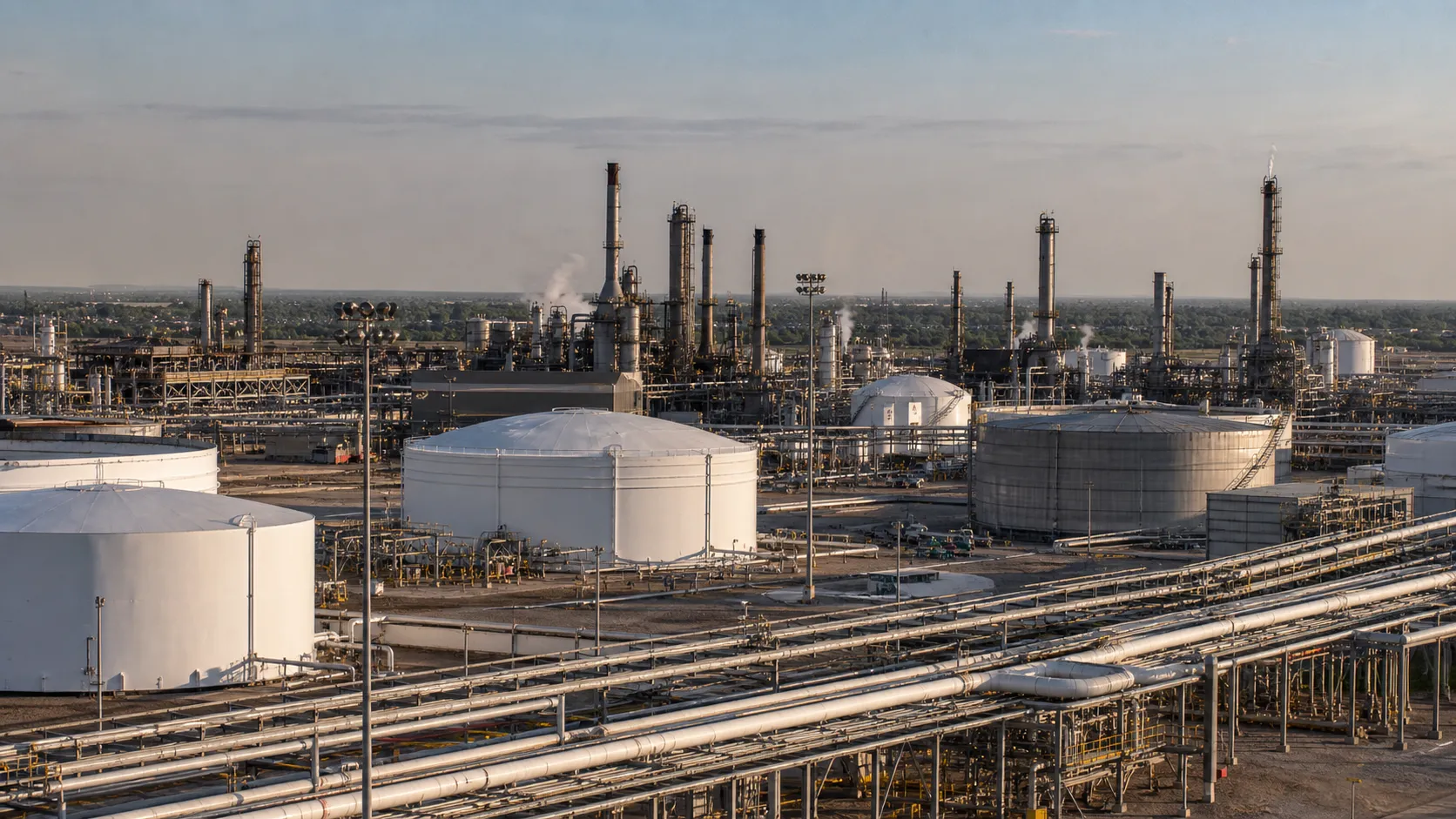
The administration of U.S. President Donald Trump is considering using the Defense Production Act to increase oil refining capacity in the country. At the end of August, U.S. refinery utilization reached 98%.
According to Reuters, as reported by OilPrice, the proposal was discussed during Trump's recent meeting with representatives of nearly a dozen U.S. refining companies. No final decision has yet been made, and consultations are expected to continue.
Expansion of existing refineries
Industry executives told administration representatives that federal funding could increase output more quickly by expanding existing facilities or improving their operational efficiency. Building an entirely new refinery, they said, would require billions of dollars and several years.
More current news is available on the UA.News Telegram channel Telegram.
The Defense Production Act gives the U.S. president authority to financially support industry and direct resources toward materials and capacity needed for national defense. In April, Trump issued a presidential determination recognizing domestic oil production, refining, and logistics capacity as important to national defense.
Diesel inventories
For three consecutive months through the end of August, U.S. refinery utilization exceeded 95% — the longest such period since 2000. U.S. diesel fuel inventories are 13% below the average of the past five years, while the price of diesel exceeded $6 per gallon this week.
According to Phillips 66, around 7 million barrels per day of refining capacity was offline in Asia and the Middle East, while another 1.4 million barrels per day was unavailable in the Russian Federation, an aggressor state. America First Refining plans to build a refinery with capacity of 168,000 barrels per day at the Port of Brownsville in Texas. The project, announced in March, could become the first new U.S. refinery in nearly 50 years, but whether it could receive funding under the Defense Production Act has not yet been determined.




