
European Union and purchasing power disparities: challenges for Southern Europe
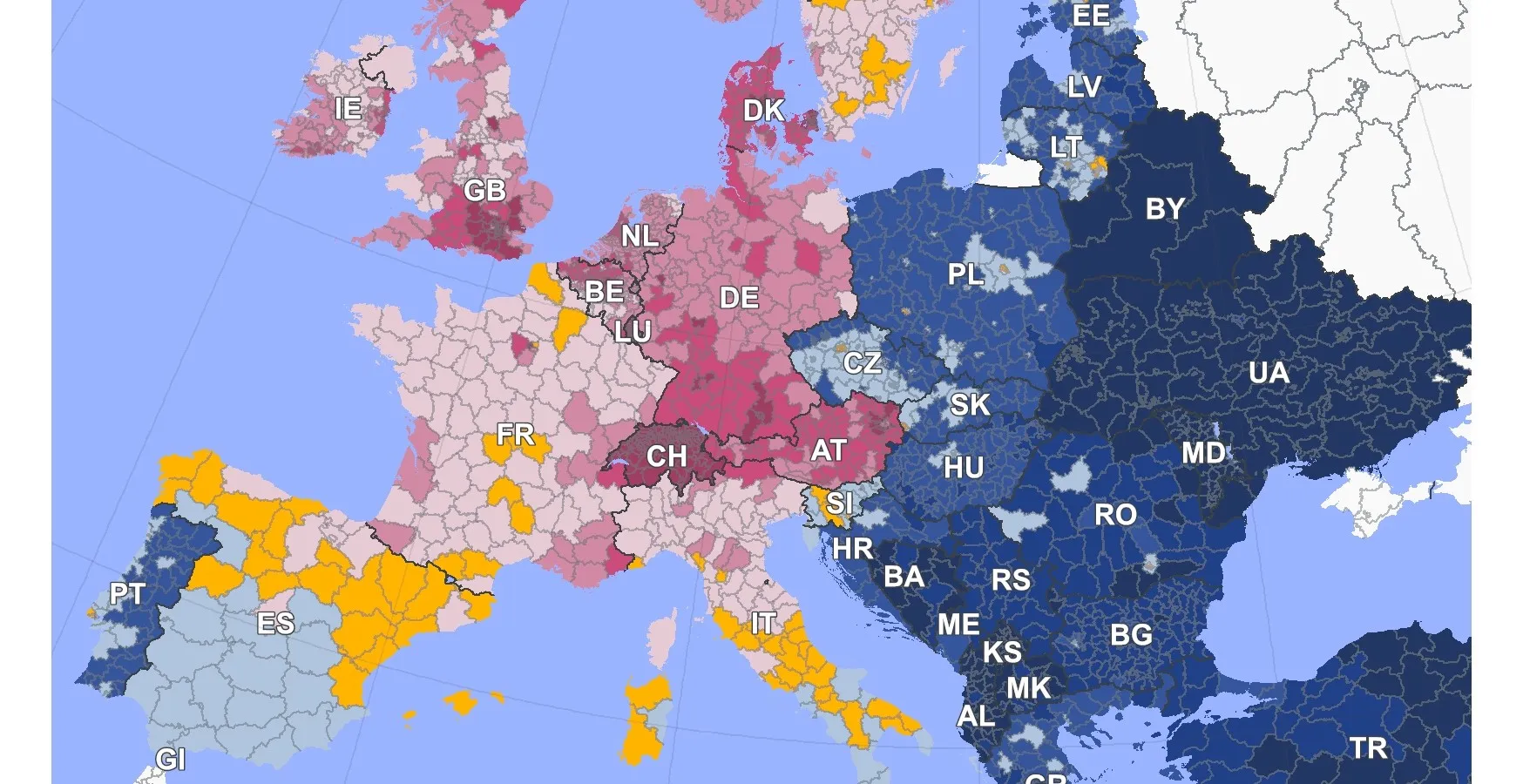
The Purchasing Power Index in Portugal and Italy by 2025 is approaching the level of Belarus, indicating significant economic disparities within the European Union. Some areas in these countries resemble Brazilian favelas, with portions of regions experiencing economic stagnation.
The redistribution of funds towards Eastern Europe and the creation of an attractive "showcase" from Poland have led to underfunding in Southern Europe, where economic growth has been flat for two decades, partially due to the influence of the EU and the adoption of the euro.
Before joining the European Union in the 1990s and 2000s, these countries experienced higher GDP growth rates than after integration, raising questions about the effectiveness of current economic models within the union.
Major economies in Central and Eastern Europe are reluctant to continue supporting the eurozone to the same extent, adding further pressure on the overall stability of the EU.
In summary, the current allocation of resources within the EU leads to economic inequality that threatens both the stability of individual countries and the prospects of European integration as a whole.
The future of the eurozone will largely depend on finding a balance between regions and reforming policies to stimulate economic growth in the more vulnerable countries.


