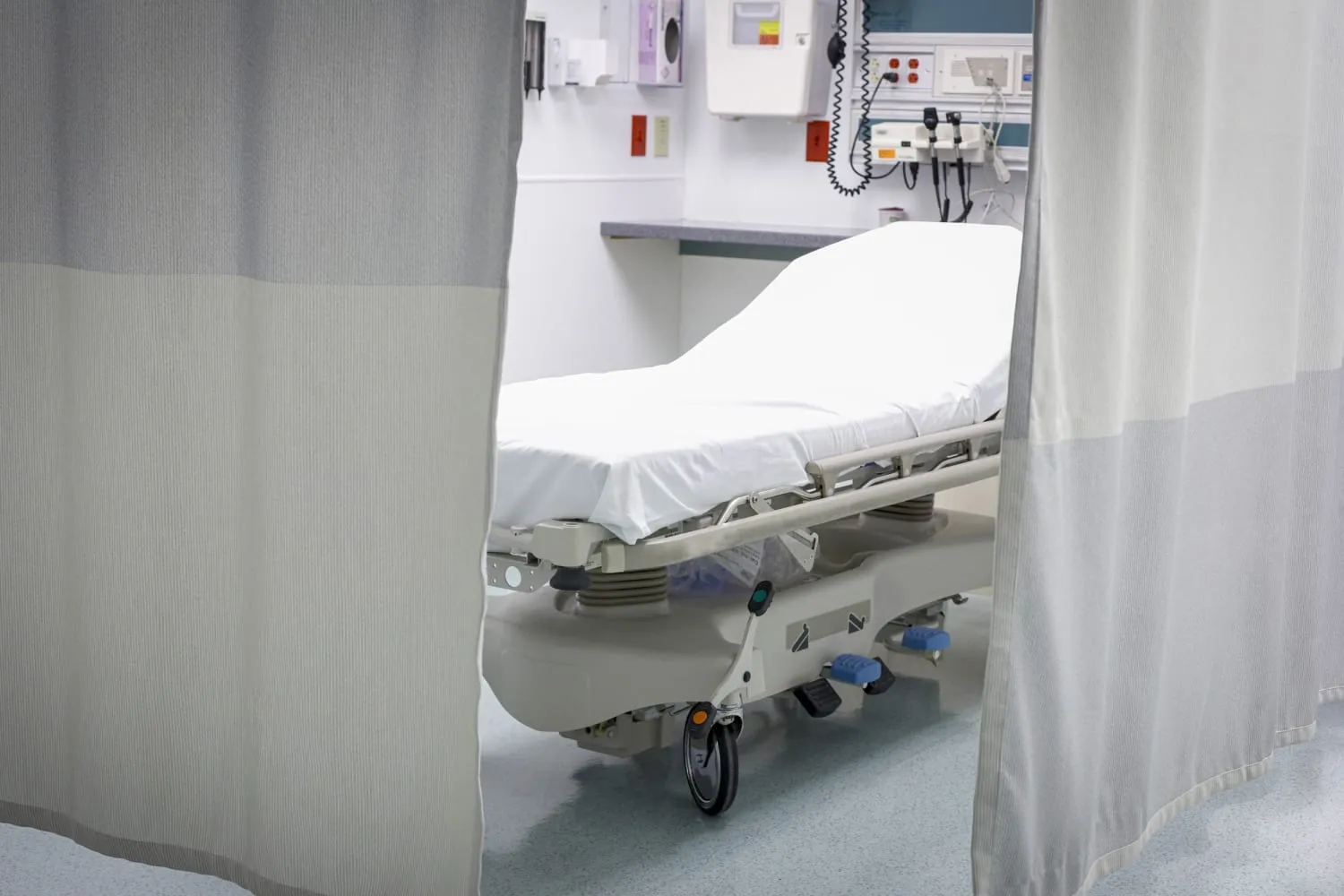
Private investment firms acquired around 500 hospitals in the United States, after which mortality rates in their emergency departments increased by 13%. According to a Harvard University study, this corresponds to roughly seven additional deaths per 10,000 patients.
The research also found that hospitals under private equity ownership reduced their workforce by about 12%. At the same time, salary expenses dropped by 18.2% in emergency departments and 15.9% in intensive care units.
Researchers argue that these changes may be linked to the private equity business model, which focuses on generating returns for investors. To meet financial targets, hospitals may cut staffing levels and treatment costs, potentially affecting patient care outcomes.
Another concern involves the financing structure of such acquisitions. Private equity firms often purchase hospitals using borrowed money and transfer the debt onto the hospitals’ balance sheets, increasing financial pressure and encouraging further cost reductions.
One widely discussed example is Steward Health Care, owned by Cerberus Capital, which carried approximately $9 billion in debt while continuing to distribute significant payouts to investors. During this period, several emergency departments were reportedly closed.
Experts estimate that private equity investors now control about a quarter of emergency departments across the United States, raising concerns about the long-term quality and accessibility of healthcare services.