
War against Iran could boost China's yuan role in oil trade
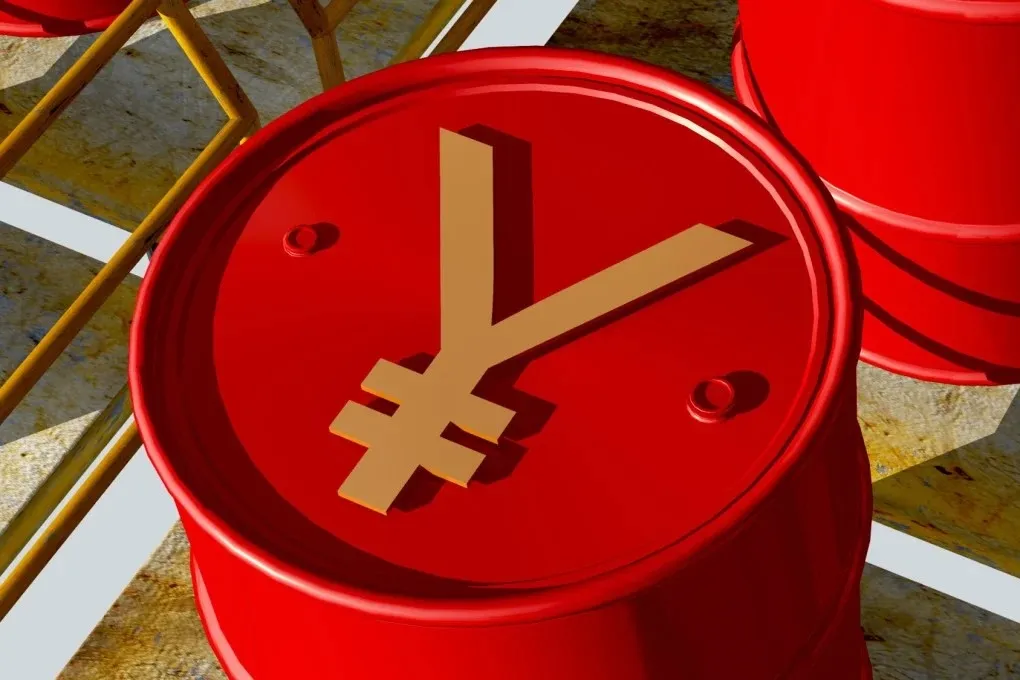
The war against Iran has tested the status of the US dollar as the global currency, and one of the long-term consequences may be the increased use of China's yuan in the oil sector, experts at Deutsche Bank believe.
Deutsche Bank strategist Mallika Sachdeva suggests that the conflict may act as a catalyst for weakening the dominance of the petrodollar and the emergence of the "petroyuan." She points to reports that Iran allows ships to pass through the Strait of Hormuz provided that oil payments are made in yuan.
Meanwhile, Indian refineries have increasingly been settling payments for Russian crude in alternative currencies to reduce dependence on the dollar. According to anonymous sources, these transactions involve depositing Indian rupees into special Russian ruble-denominated escrow accounts, which are then converted into yuan.
Deutsche Bank is one of the world’s largest financial institutions with a long history, offering a wide range of banking and investment services across various economic sectors.
Thus, geopolitical events are driving new currency solutions in global oil trade, potentially altering the balance of power on the international currency market.
This signals that the traditional status of the dollar as the “petrocurrency” may face serious challenges, with the yuan gradually gaining traction as an alternative.


