
More than 17,000 microorganisms were found on 95 cell phones
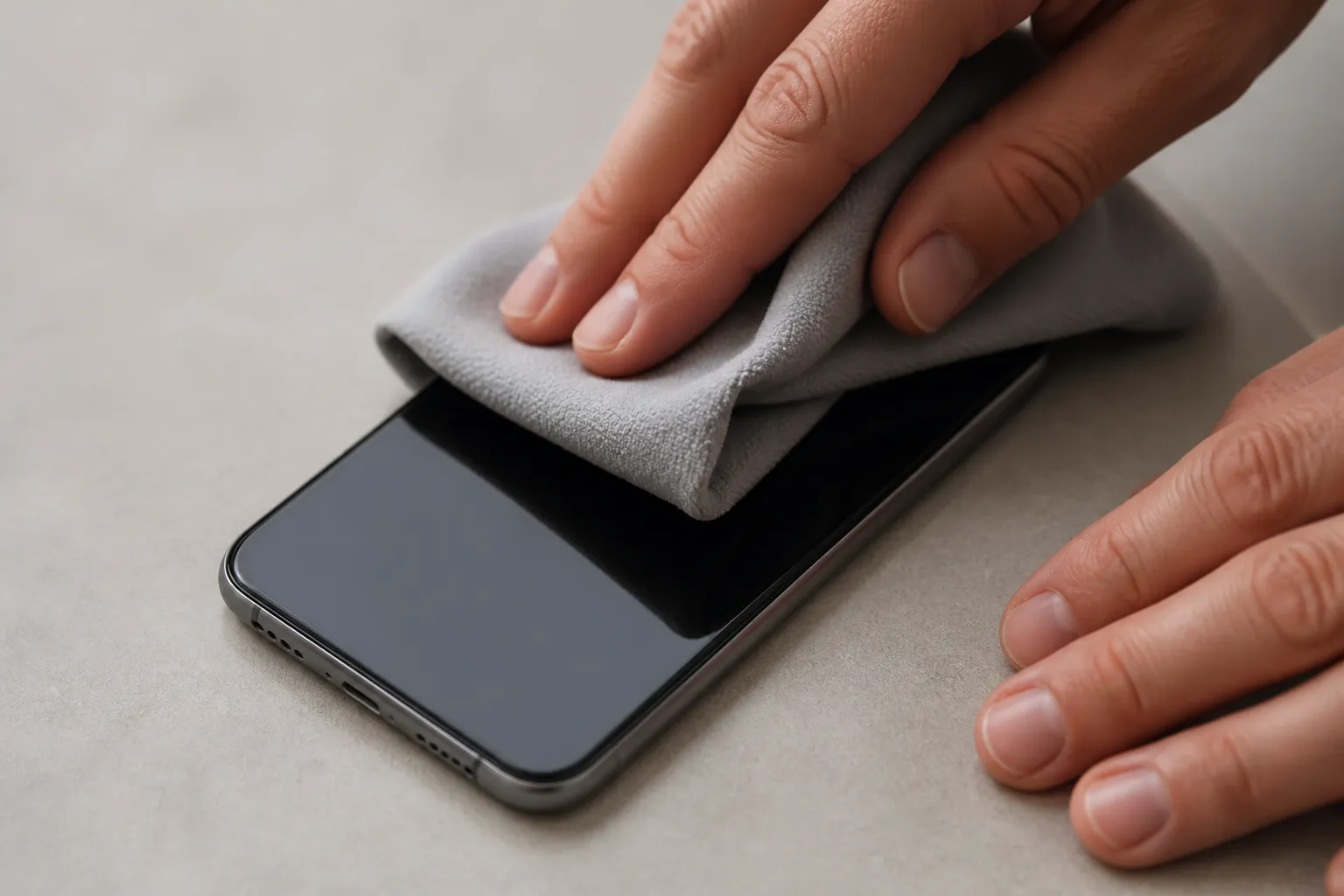
More than 17,000 microorganisms—including bacteria, viruses, fungi, and parasites—were found on 95 cell phones. ABC News Australia reported this, citing Lotti Tajouri, an associate professor of molecular biology and genomics at Bond University and Murdoch University.
According to the researcher, the devices also harbored superbugs that are difficult to treat, as well as antibiotic resistance genes and virulence genes that increase pathogens’ ability to cause disease. Tajouri explained that phones are frequently touched surfaces, and heat and moisture create favorable conditions for microorganisms to multiply. Microbes can get onto devices from hands and saliva droplets during conversations.
In Tajouri’s study, 80% of respondents admitted to using their phones in public restrooms. In another survey of hospital staff in Queensland, 52% of respondents reported using a cell phone in the restroom, and 57% said they never clean their devices.
Read more breaking news on the UA.News Telegram channel.
Mina Jia, head of the technology department at Central Queensland University, noted that the presence of germs on a phone does not automatically lead to illness. At the same time, the device should be considered a frequently touched surface that can accumulate microorganisms. According to Tajouri’s assessment, the greatest risk may apply to people with weakened immune systems, infants, the elderly, and patients with chronic illnesses, particularly diabetes.
Before cleaning a phone, Ja advises unplugging it from the charger and removing the case and accessories. For modern devices, she recommends a soft microfiber cloth, and for disinfection—wipes containing isopropyl alcohol with a concentration of no more than 70%. Do not spray the liquid directly onto the phone; the wipe should be damp, but not wet. Charging ports and speakers can be cleaned with a soft, dry brush.
The expert advises against using vinegar, bleach, or hydrogen peroxide, as these substances can damage the device’s oleophobic coating, which prevents fingerprints and smudges. She recommends cleaning the phone about once a week, or more often if you frequently visit medical facilities. Tajouri also urged people not to use their phones in the bathroom, to close the toilet lid before flushing, and to avoid hand dryers, which, he said, spread microorganisms throughout the room.


