
How to reduce knee pain from osteoarthritis and injuries
Channel NewsAsia, which republished material from The New York Times, published advice from medical specialists on common causes of knee pain and ways to relieve it. According to orthopedists and a physical therapist, pain may result from osteoarthritis, overtraining or an acute injury, and surgery is not necessary in every case.
Common causes of pain
Osteoarthritis is cited as the most common cause of chronic knee pain, especially in people aged 55 and older. In this condition, articular cartilage wears down and loses its ability to cushion loads. This can lead to inflammation, periodic swelling, pain and morning stiffness, which usually eases during the day. Pain may occur on the sides of the knee or beneath the kneecap.
In physically active people, overuse injuries are common, particularly after a sharp increase in the intensity, duration or volume of training. Runners may develop iliotibial band syndrome, which causes pain on the outside of the knee. Overuse, weakness of the quadriceps muscles, improper knee alignment and previous injuries may be associated with patellofemoral pain syndrome, known as “runner’s knee.”
Sudden sharp pain after a fall, accident, sports activity or twisting of the knee may be a sign of an acute injury. Common injuries include a meniscus tear, which may be accompanied by swelling and difficulty bending the joint, as well as a ligament sprain or tear. With an anterior cruciate ligament tear, a person may feel a characteristic popping sound.
More current news is available on the UA.News Telegram channel Telegram.
Movement, treatment and medical assessment
For gradual or chronic pain, specialists advise considering a visit to a physical therapist. They can identify movement patterns that worsen pain, including weakness in the hip muscles or a tendency for the feet to roll inward. Strengthening the muscles around the knee — the gluteal muscles, hip flexors, quadriceps, hamstrings, calf muscles and ankle muscles — can reduce pain and help prevent new complaints.
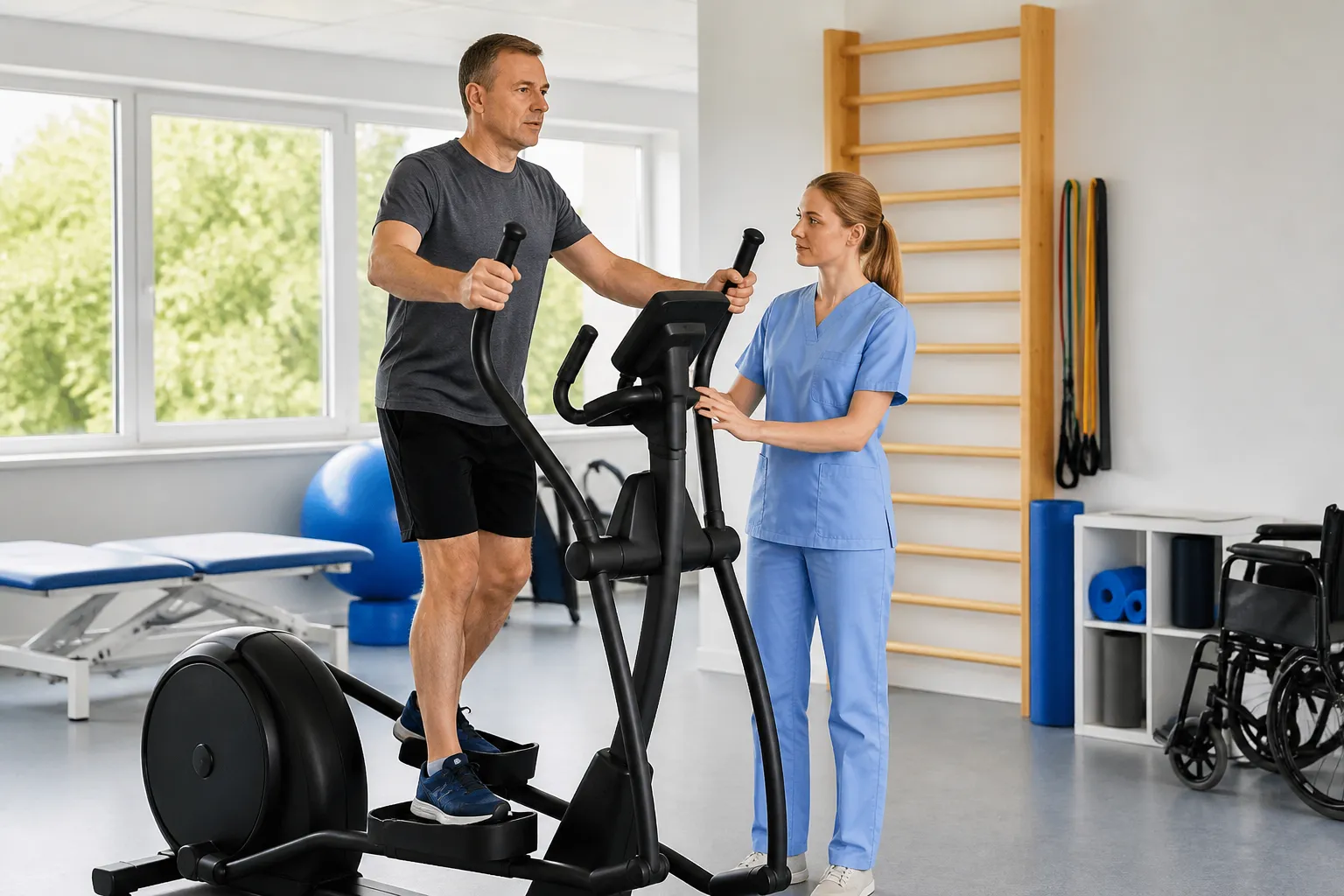
With osteoarthritis, exercise can also reduce pain. If usual workouts are painful, specialists advise considering lower-impact aerobic activities: swimming, cycling or exercising on an elliptical trainer. If lifestyle changes and oral pain relievers do not help, a doctor may recommend steroid injections, but not for frequent use. Evidence on hyaluronic acid injections is mixed, while platelet-rich plasma may be expensive and does not restore cartilage.
After an acute injury, it is recommended to stop the activity that caused the pain and apply ice around the joint. A doctor should be consulted if the knee is unstable, sudden sharp pain occurs, it is difficult to use stairs, or it is impossible to take more than four steps without pain. Fever, worsening pain, pain directly over a bone, or pain that prevents sleep should not be ignored.


