
Seven people hospitalised in Victoria after using counterfeit retatrutide
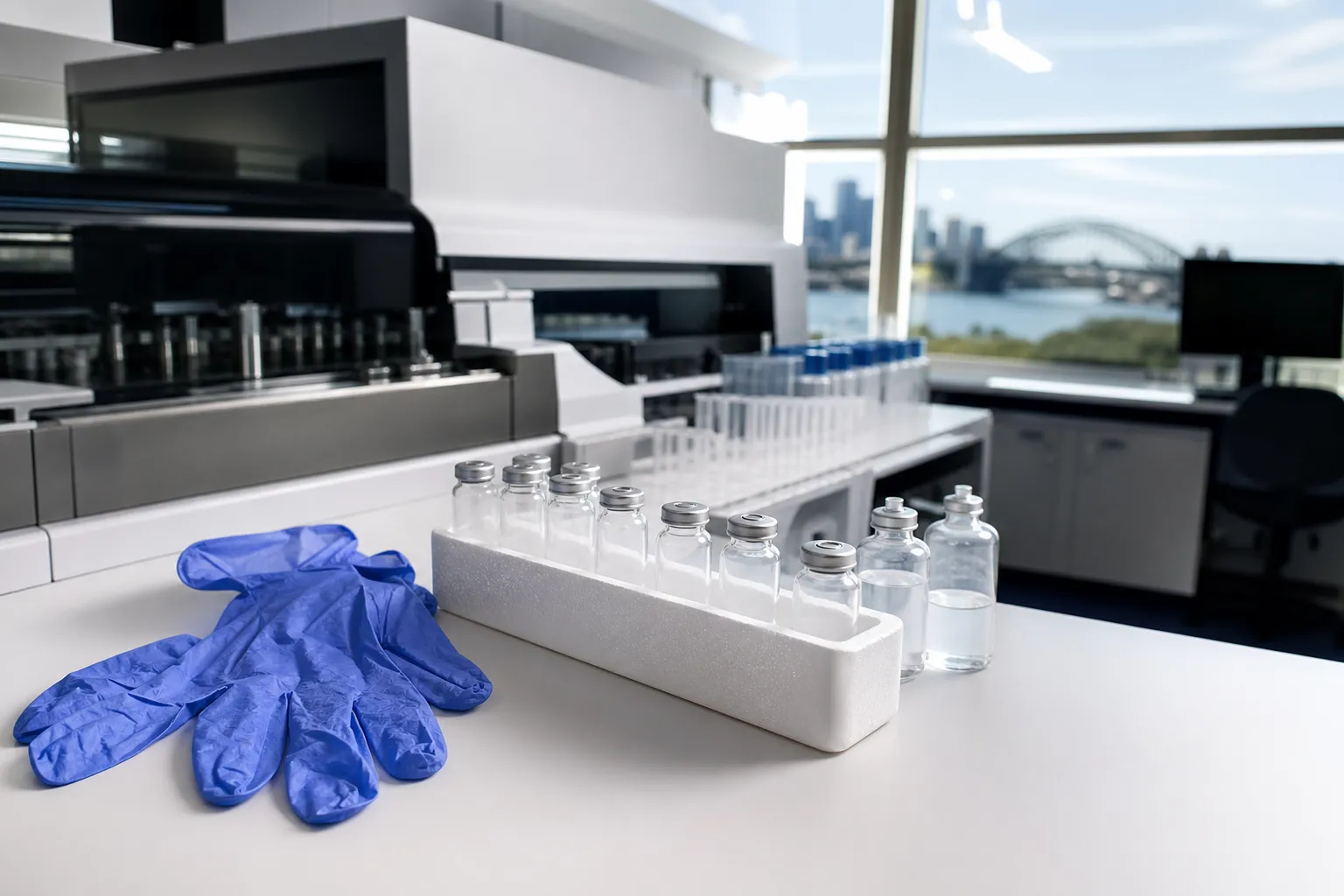
In the Australian state of Victoria, seven patients were hospitalised with acute toxic liver injury after using a counterfeit peptide labelled as retatrutide. Doctors suggest that the cluster of cases may be linked to a contaminated batch of the product, but there are currently no laboratory results to confirm this version, ABC News Australia reports.
Hypothesis of a contaminated batch
Liver transplant specialist Marie Sinclair said that another patient became seriously ill after a second dose of an unregulated product labelled as retatrutide. According to her, this case was similar to the previous ones.
Sinclair noted that liver injury developed in those affected within several weeks of using the black-market product. Patients may develop jaundice, and their health condition may deteriorate significantly.
The doctor ordered an analysis of the counterfeit peptides used by patients with liver failure. She stressed that the assumption of a contaminated batch is only one of the possible versions and has not yet been confirmed by research.
More current news is available on the UA.News Telegram channel Telegram.
Regulator's warning
Robin Langham, chief medical adviser at Australia's Therapeutic Goods Administration, said that the concentration of cases in Victoria may indicate a problem with a particular batch. At the same time, she clarified that her remarks were not based on an official investigation. According to her, a similar cluster of cases has not been recorded in other regions of Australia.
Canberra Health Services also confirmed the detection of liver injuries after the use of products sold as retatrutide. The number of such cases there was not disclosed because of their small number.
The regulator warned that retatrutide sold online is a counterfeit, unapproved and untested product. US pharmaceutical company Eli Lilly holds a patent for retatrutide and is conducting its clinical trials. The Australian regulator also reported that this year, together with the border service, it destroyed more than 94,500 units of unapproved peptide products.




