
Burden of non-communicable diseases rising in Ghana — MyJoyOnline
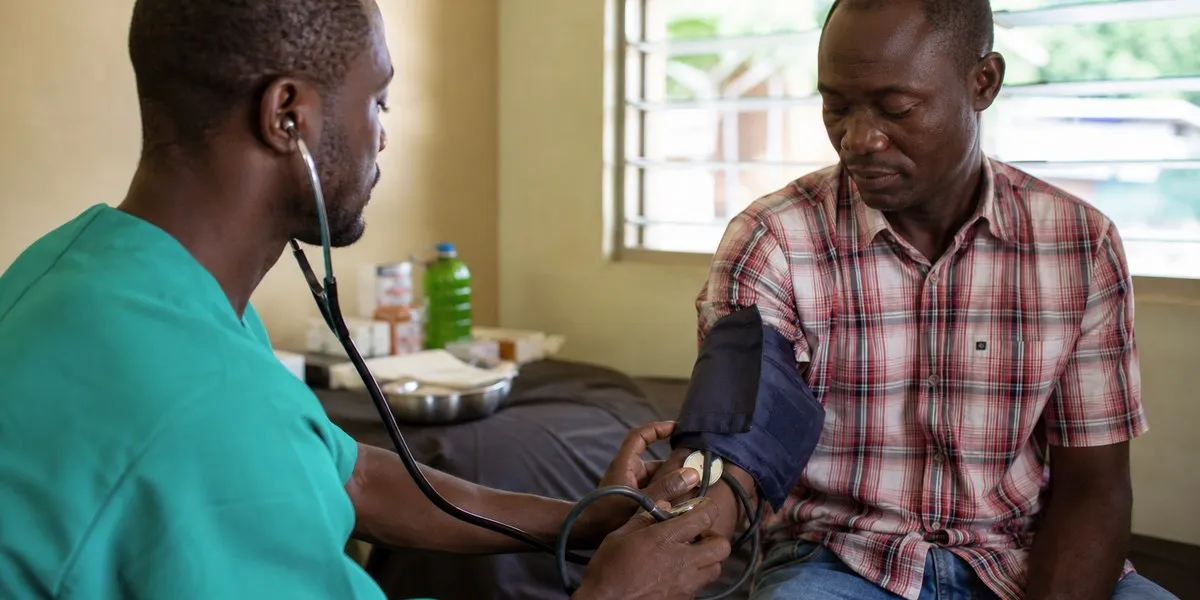
The burden of non-communicable diseases is rising in Ghana, while low public awareness, unhealthy lifestyles and difficulties with long-term treatment complicate the delivery of safe healthcare. Efua Comme, the Municipal Health Director for La-Nkwantanang-Madina in the Greater Accra Region, said this during a discussion held as part of the 2026 World Patient Safety Day observance. As MyJoyOnline reports, she noted that chronic diseases are increasingly overtaking infectious diseases among the challenges facing the country’s healthcare system.
Hypertension often goes undiagnosed
According to data cited by Comme, 21.7% of Ghanaian residents aged 18 to 69 have hypertension. At the same time, fewer than half of people with this condition are aware of it. The official noted that high blood pressure may have no obvious symptoms, which is why it is often detected only after complications arise.
She also named diabetes and cancer as important components of the burden of non-communicable diseases. According to her, more than 5,000 new cases of breast cancer and more than 2,000 deaths were recorded in the country in 2022. About 3,026 cases involved cervical cancer, which killed more than one thousand people. Comme linked the high mortality rate to patients seeking care late and insufficient screening coverage.
Long-term treatment and prevention
Comme noted that patients with hypertension or diabetes often have to take medication and monitor their condition for years. The cost of medicines and the need for continuous treatment can affect adherence to prescribed therapy. She urged healthcare workers to explain the nature of the disease, medication instructions and possible side effects to patients in language they can understand.
More current news is available on the UA.News Telegram channel Telegram.
Among modifiable risk factors, the director named unhealthy diets and insufficient physical activity. According to her, lifestyle changes have reduced the level of everyday physical activity, while access to fast food has increased. She also stressed the need to take into account a particular patient’s financial means and the availability of food products when making dietary recommendations.
The official urged Ghanaian residents to undergo regular medical examinations for early disease detection, not to self-medicate and not to give prescription drugs to other people. She explained that identical symptoms may have different causes, while medicines prescribed to one person can be dangerous for another because of coexisting conditions.
Comme also drew attention to high blood pressure rates in certain coastal fishing communities. In her view, the consumption of salty foods, including traditionally preserved fish, may affect the situation, but further research is needed to establish such a link.


