
Scientists engineered tobacco to produce five psychedelics simultaneously
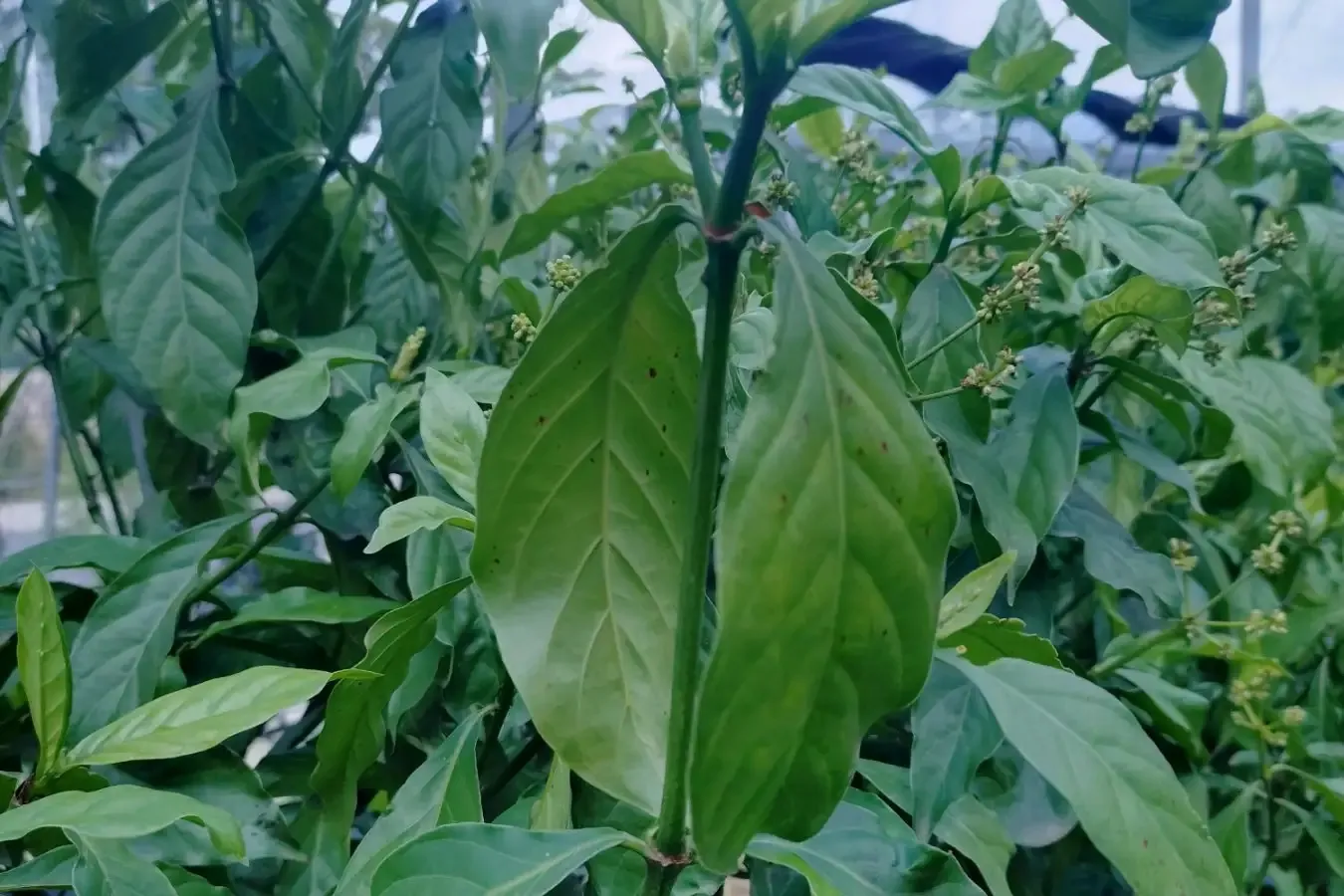
A team of researchers successfully modified tobacco plants by integrating genes from various organisms, enabling the plant to synthesize five psychoactive compounds at once: DMT, psilocybin, psilocin, 5-MeO-DMT, and bufotenin. This experiment was conducted to develop a stable and controlled method of producing psychedelics exclusively for scientific purposes.
As a result of genetic engineering, a single tobacco plant began producing a complex mixture of psychedelic substances previously obtained separately. This breakthrough opens new opportunities in pharmacology and psychotherapy research, as psychedelic production is highly regulated and often limited.
The scientists emphasize that the project is strictly for research and not intended for commercial distribution or use outside the laboratory. This approach could significantly simplify and reduce the cost of access to psychedelic compounds for experimental and therapeutic studies.
Tobacco is one of the most widely studied and cultivated crops globally. Its genetic modification is frequently used in scientific research due to its rapid growth and ease of genome editing.
This work marks a significant step forward in synthetic biology and may lay the foundation for further discoveries in psychedelics, as well as the development of new treatments for mental health disorders.
Further research is expected to improve control over the synthesis process and boost production efficiency under laboratory conditions.


