
Airfare in Europe could rise significantly
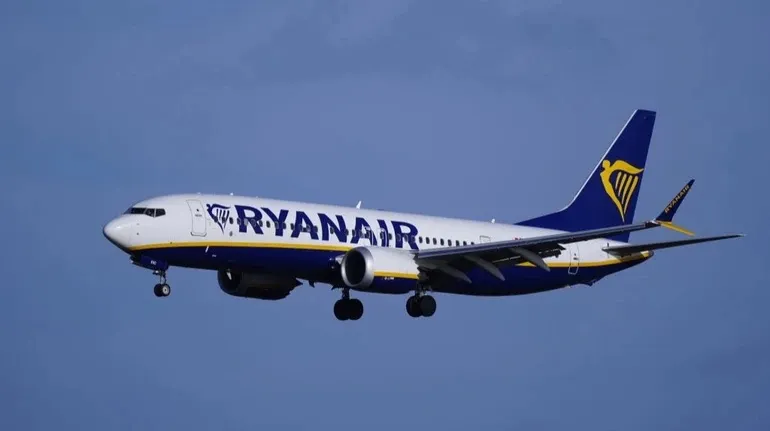
The cost of airline tickets for short-haul flights in Europe may rise if high oil prices persist through 2027. A prolonged rise in oil prices could lead to higher airfare costs.
Ryanair has lowered its passenger volume forecast for fiscal year 2027 from 216 million to 214 million passengers. The Irish low-cost carrier explained the decision as an effort to reduce fuel costs during the winter months, when demand for air travel is traditionally lower.
Currently, jet fuel costs about $140 per barrel. At the same time, Ryanair has locked in the price in advance for approximately 80% of the fuel it needs for 2027—about $67 per barrel through March 2027. The company expects another profitable fiscal year, although earnings after taxes are forecast to be lower than the record figure from the previous year.
From November through March, the carrier plans to maintain passenger volumes at roughly the same level as last year. The reduction in the winter schedule is expected to cut the company’s losses by €70–100 million.
According to Ryanair, the airline carried 22.2 million passengers in August—a 6% increase compared to the same month last year. The seat load factor remained at 96%. During the month, the carrier operated more than 120,500 flights, over 400 of which were canceled due to the eruption of Mount Etna.
The company is more optimistic about the summer season. From April through October, Ryanair expects to increase passenger traffic by more than 5%—to 145 million travelers.
Ryanair warned that persistently high oil prices will affect the cost of short-haul flights in Europe. The greatest difficulties may arise for carriers that did not manage to lock in prices for a significant portion of their fuel supply in advance.
“If high oil prices persist through 2027, the cost of short-haul flights in Europe will rise significantly,” the company stated.
Ryanair also warned that some competitors may find it difficult to maintain their current flight schedules during the winter season. The company does not rule out that certain carriers with smaller volumes of fuel locked in at a fixed price may face serious financial problems.
Higher jet fuel costs have already impacted the financial results of other European airlines. Last month, easyJet, IAG (which owns British Airways), and Ryanair reported a decline in profits.
Wizz Air made a separate statement regarding the impact of the unstable situation in the Middle East. The company reported losses of €50 million due to the cancellation of flights to Tel Aviv, Middle Eastern countries, and Cyprus in March. In August, Wizz Air’s passenger traffic rose by 25.9% year-over-year.
This was reported by The Independent.
As a reminder, airlines from Turkey, Armenia, and the United Arab Emirates canceled dozens of flights to Moscow.
Earlier, Budanov confirmed Zelenskyy’s plans to close Russian airspace.
Ukrainian President Volodymyr Zelenskyy warned airlines, insurers, and other companies that use Russian airspace about the increasing danger of flying over Russia. According to him, due to the war and the activity of Ukrainian drones, Russian airspace will effectively become unsuitable for safe civilian flights.




