
Trump announced the import of 300,000 metric tons of beef without over-quota duties
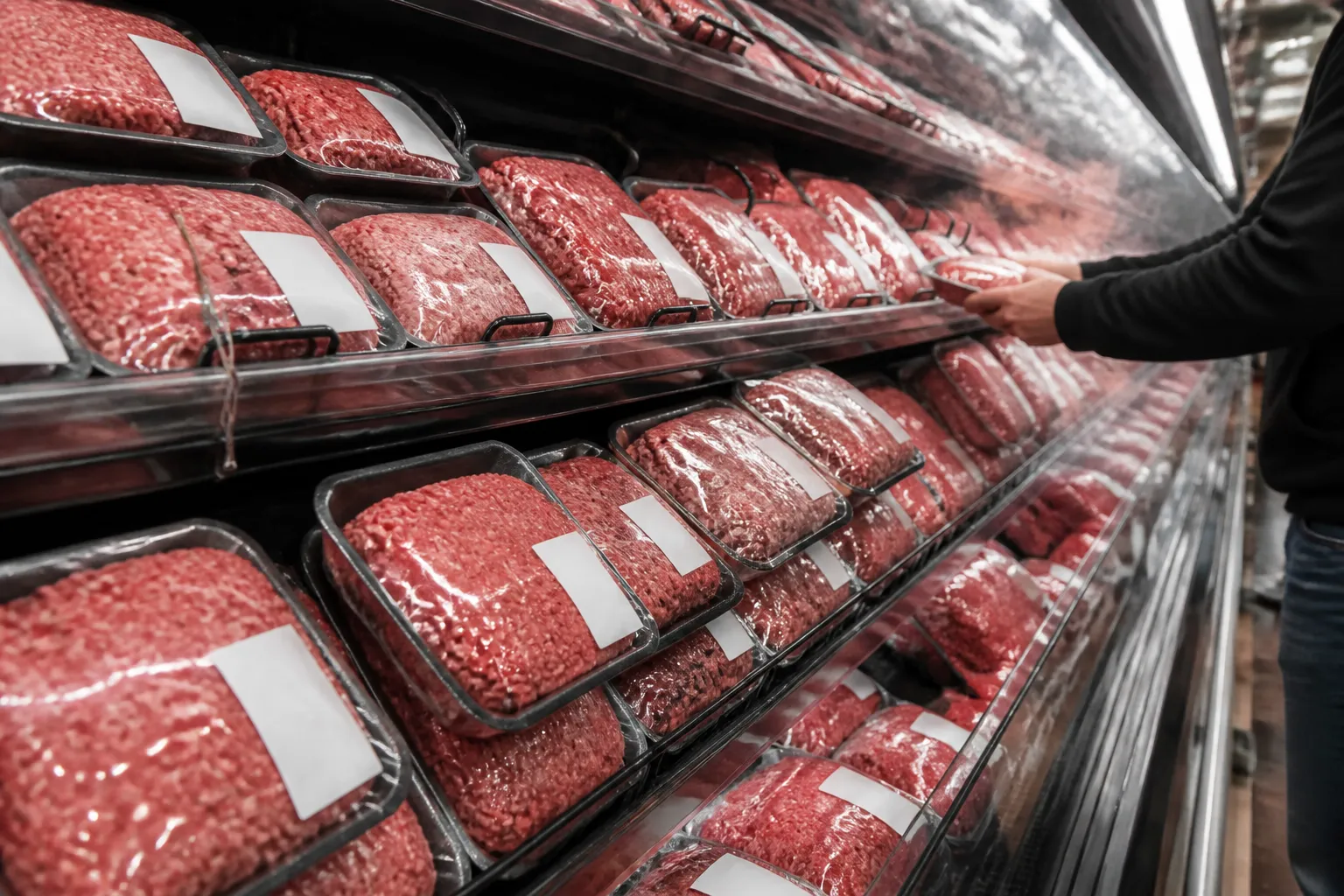
U.S. President Donald Trump announced that, over the next three months, the United States will allow the import of up to 300,000 metric tons of products used to produce ground beef without paying out-of-quota duties. According to CNBC, the White House said that Trump is expected to sign an executive order granting tariff-free access for beef trimmings imports within two weeks.
Trump also stated that an agreement is in place under which this beef will be sold at 25% below current market prices. However, the president’s post does not specify which companies have made these commitments, nor does it name the foreign exporters with whom the agreement was reached.
The U.S. imposes tariffs on imported beef that exceeds the quotas set for individual countries. In its May report, the American Federation of State Farm Bureaus noted that imports within the quota are typically subject to a duty of 4.4 cents per kilogram, while shipments exceeding the quota are subject to a 26.4% tariff. For beef priced at about $7 per kilogram, the difference in tariff costs can exceed $1.80 per kilogram.
For more breaking news, follow the UA.News Telegram channel.
Beef prices in the U.S. rose sharply in 2026 due to a decline in the cattle herd following years of drought, high feed costs, and herd culling. The herd size is now at its lowest level since the 1950s.
The National Cattlemen’s Beef Association criticized the decision. Its CEO, Colin Woodall, stated that flooding the market with subsidized beef at below-market prices will not help restore the U.S. cattle herd. Montana Republican Senator Tim Sheehan also said that this move could make it harder for American ranchers to rebuild their herds.
Altin Kalo, chief economist at Steiner Consulting Group, noted that the potential impact of the decision on prices remains unclear. According to him, imported beef is already being sold at a significant discount, and a large portion of frozen beef from Australia and Brazil, intended for ground beef production, is going to food service establishments, particularly fast-food chains.


