
Oil prices are rising following reports of new U.S. strikes on Iran — Bloomberg
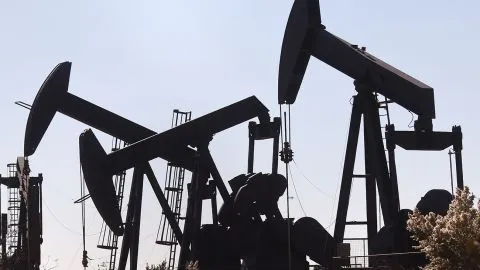
Global oil prices have risen again following a sharp drop the day before. The market reacted to reports of new U.S. strikes on targets in Iran, which, according to the U.S. side, posed a threat to military and commercial shipping.
This was reported by Bloomberg.
The rise in oil prices was driven by the lack of a compromise between the U.S. and Iran regarding the conditions for resuming shipping through the Strait of Hormuz, as well as reports of another round of U.S. military strikes on the territory of the Islamic Republic. Brent crude rose above $96 per barrel, while U.S. WTI is hovering around $90.
President Donald Trump publicly stated that he was dissatisfied with the progress of the negotiations, and the White House refuted information disseminated by Iran regarding the alleged preparation of a draft agreement under which Tehran and Oman would gain exclusive control over the waterway. Immediately afterward, the U.S. military launched new strikes on targets in Iran that, according to official Washington, posed a direct threat to U.S. forces and commercial shipping in the strait. This marks the second series of attacks on the coastal areas of the Strait of Hormuz this week.
Despite the military actions, oil prices still show an overall decline for the week due to market optimism regarding the possibility of at least a temporary ceasefire. However, key disagreements—including the future of Iran’s nuclear program and Tehran’s demands to retain control over the strait, which is currently under a dual blockade by the U.S. and Iran—remain unresolved. An additional source of pressure is Trump’s own stance; at a White House meeting, he emphasized that he would not sign a bad deal or lift sanctions, which completely contradicts Iran’s demands to cease attacks and provide financial aid. In addition, the U.S. president is under pressure from radical members of the Republican Party who are demanding a continuation of the war, which has been ongoing for four months since it broke out in late February.
Chris Weston, head of research at Pepperstone Group Ltd. in Melbourne, notes that despite strong investor sentiment that “the glass is half full,” the risk that the parties will break off negotiations and walk away from the table remains critically high.
Alongside geopolitical factors, prices are being pressured by domestic data from the U.S., where the American Petroleum Institute reported a 2.8 million-barrel decline in national crude inventories, particularly at the hub in Cushing, Oklahoma, although official government data will be released later on Thursday. Rabobank’s global energy strategist Joe DeLora considers the current behavior of the oil market complacent, as the release of oil from U.S. strategic reserves and a sharp reduction in Chinese imports are currently helping to mitigate the supply shortage. He estimates that by mid-July, when the release of crude from reserves ends and China resumes oil imports, the market will reach a tipping point, triggering a sharp, hockey-stick-shaped surge in oil product prices.
Failure to reach an agreement to end the conflict threatens to prolong disruptions in oil supplies. This will fuel the sharp rise in bond yields observed since late February and further accelerate inflation, prompting central banks worldwide, including the U.S. Federal Reserve, to raise interest rates.
On the eve of the talks, U.S. Secretary of State Marco Rubio stated that an agreement to end the war with Iran could be reached as early as “today.” His statement came amid growing optimism regarding negotiations between Washington and Tehran and sharp volatility in oil markets.
U.S. President Donald Trump stated that Washington does not intend to rush into an agreement with Iran, despite progress in the negotiations.
Iranian state media reacted to U.S. President Donald Trump’s statement regarding alleged agreements on opening the Strait of Hormuz, calling it “incomplete and untrue.”
The U.S. reacted strongly to Iran’s plans to introduce a toll system for passage through the Strait of Hormuz, stating that this is unacceptable and could derail any negotiations. Washington considers this strategic waterway to be critically important and will not tolerate its commercial or political control by Tehran.


