
Wheat prices have reached a two-year high due to attacks by Russia
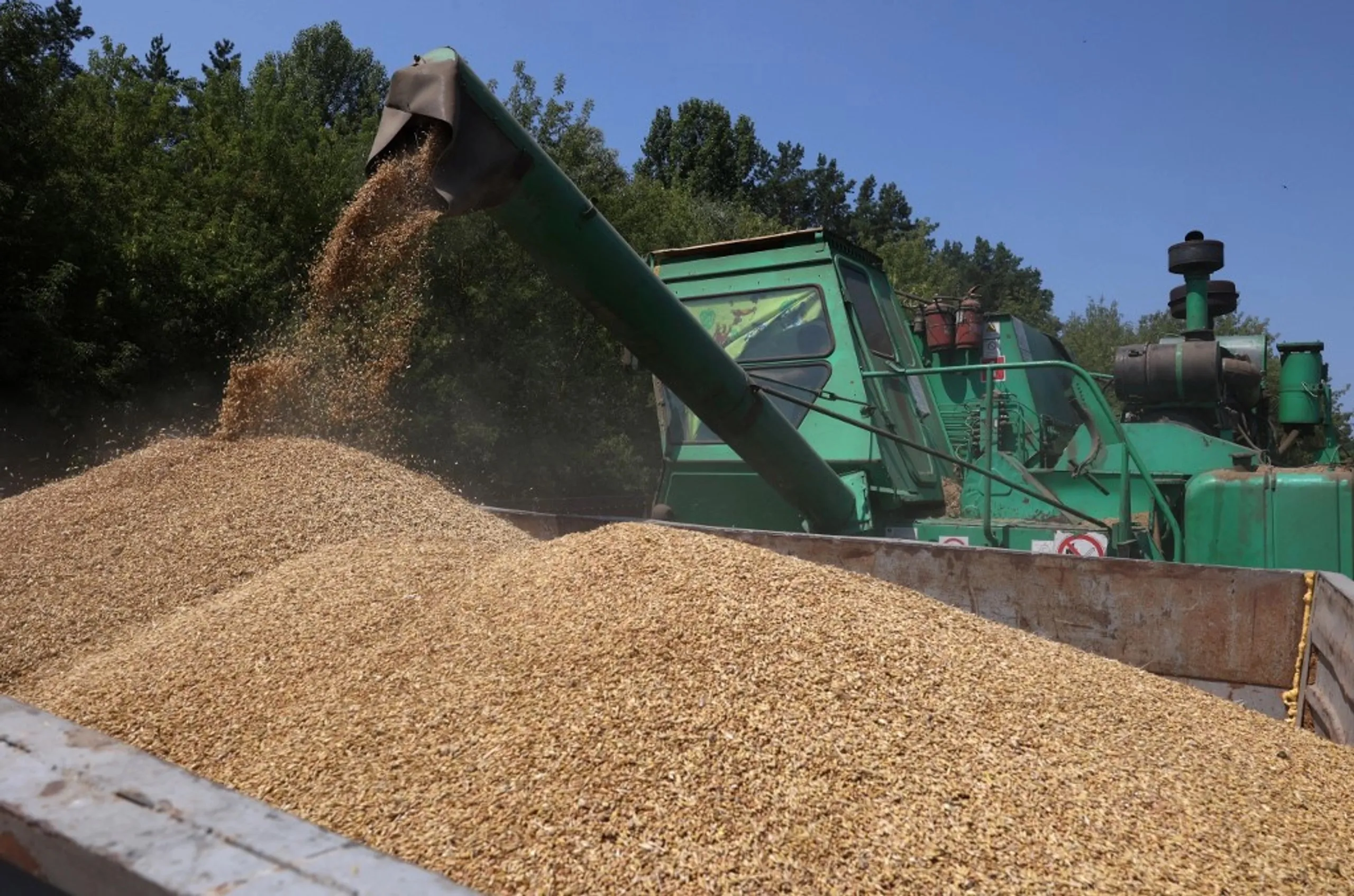
Global wheat prices have risen sharply, reaching their highest level in the past two years. This was caused by intensified Russian attacks on port infrastructure and ships in the Odesa region, prompting carriers and traders to limit their operations involving Ukrainian grain.
Russian drones attacked Ukraine’s largest seaport in Odesa, reducing storage capacity by one-third. Shipowners are refusing to enter the area due to the risk of being struck, and some traders have already suspended purchases.
“Russia has been attacking ports and terminals for four days in a row. Now ships don’t want to call at these ports,” said Maria Belikova, a grain market analyst from Dnipro. According to her, crew members have been injured and killed, which is a serious problem for any shipowner. Domestic purchase prices at Ukrainian ports have “disappeared,” and shipowners are no longer providing freight rates.
The Ukrainian Sea Ports Authority reported that over the past two weeks, 11 people—including port workers and foreign sailors—have been killed as a result of dozens of Russian attacks on ports and ships. Ukraine and Russia together account for about one-third of global wheat exports.
Wheat futures in Chicago reached a two-year high on Thursday, rising to $6.95 per bushel, while Paris futures for milling wheat hit a 17-month high.
“The market is beginning to realize that this is not a typical short-term Black Sea rally, which usually runs out of steam quickly. The consequences could be more serious—we’re talking about a significant reduction in export forecasts for both Russia and Ukraine, which will worsen the situation with global grain stocks,” said Andriy Sizov, managing director of the consulting agency “Sovecon.”
This was reported by the Financial Times.
As a reminder, Turkey may stop importing Russian wheat.
Ukrainian attacks on the Russian Navy have affected global grain prices.
The Ministry of Agriculture of Kazakhstan has drafted an order to impose a partial ban on wheat imports into the country for a period of six months. The restrictions will also apply to countries that are members of the Eurasian Economic Union (EAEU), including Russia.


