
Robotics speeds up certain stages of housing construction in the US but does not replace workers
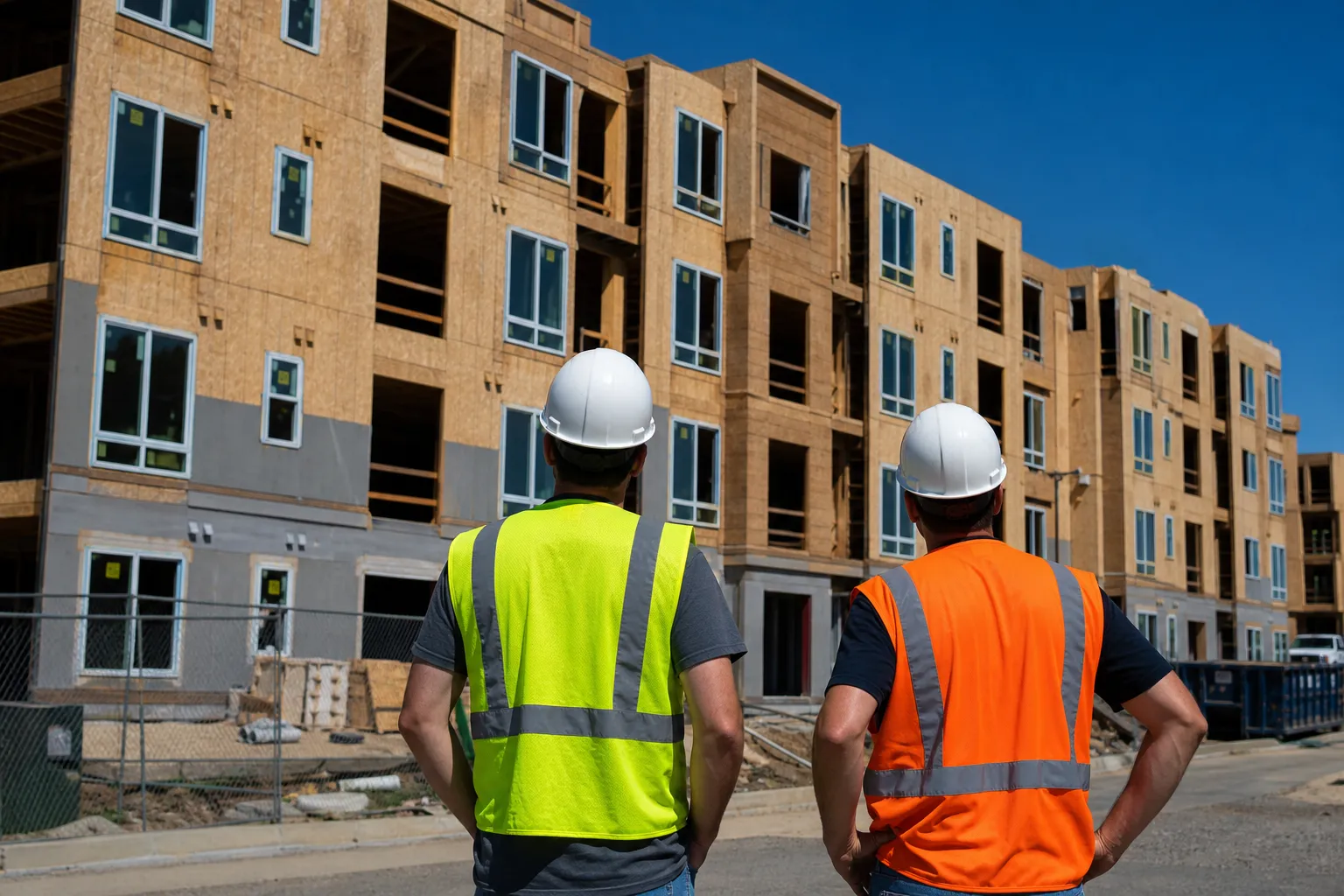
In the United States, robotics and automation are helping developers reduce errors and speed up certain stages of housing construction, but humanoid robots are not yet capable of replacing skilled workers on construction sites on a large scale. This is reported by CNBC Top News.
According to the National Association of Home Builders, the country is short by approximately 1.2 million housing units. At the end of 2025, nearly 300,000 vacancies remained unfilled in the construction industry. The association also estimates that the sector needs to attract about 740,000 workers annually, taking into account growth, retirements, and workforce attrition.
Robots for narrowly defined tasks
For now, robotics is delivering the most noticeable results in repetitive and clearly structured work: marking, drilling, fastening components, moving materials, and automating production. University of Michigan professor Vineet Kamat noted that the main advantage of the technology lies not in fully replacing workers, but in precision, reducing the number of errors, and increasing productivity.
Dusty Robotics founder Tessa Lau developed FieldPrinter, a system that transfers digital construction plans directly onto the floor. The machine can mark the locations of walls, plumbing, electrical and mechanical systems, as well as print text, images, and QR codes. The company says one operator can mark an area of 10,000 to 15,000 square feet per day—up to ten times faster than the traditional method.
More current news is available on the UA.News Telegram channel Telegram.
Construction company Skanska reported a 75% reduction in rework and a 35% decrease in the duration of the marking stage after using Dusty's multi-trade layout system. In Southern California, the RapidShell system, which combines robotic layout with prefabricated wall panels and pre-cut materials, made it possible to reduce the structural construction phase of a house from approximately 21 days to 11–12 days.
Automation in factories
Experts believe factory technologies have the greatest potential, as working conditions there are more stable than at construction sites. In Japan, which has faced an aging population and labor shortages, developers build up to 80% of a house with the help of robots at factories before final assembly on site.
According to Kawasaki Robotics, the use of industrial robots at one factory increased output from 55 to 65 housing units per day and reduced the number of operators by 20. Sekisui Heim estimates the payback period for investments in robotics at about three years.
Coastal Construction chief investment officer Patrick Murphy noted that standardization is particularly useful for typical and multifamily housing with recurring projects. At the same time, changes in layouts, finishes, or specifications may require redesigning and reprogramming production, reducing the benefits of prefabrication. In his view, demand for welders, electricians, and plumbers will remain for a long time.




