
Number of multigenerational households is growing in Australia
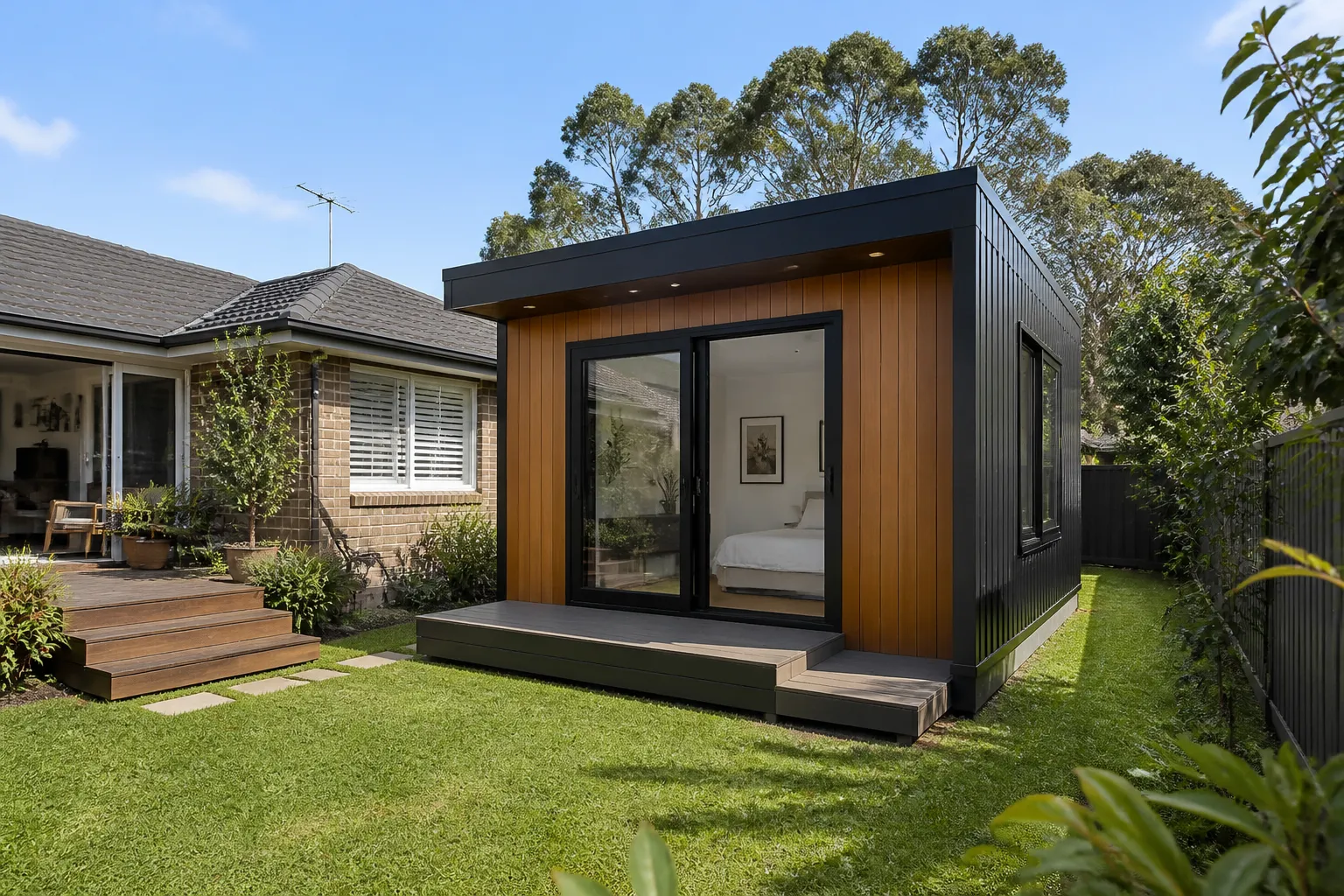
In Australia, due to rising housing costs, rent and everyday expenses, more families are choosing to have several generations live together or nearby on the same plot. According to the 2021 census, the number of multigenerational households rose from 275,000 to 335,000 — an increase of 22%. About one in five residents of the country lives in such a household, ABC News Australia reports.
A modular home near the family
Eight years ago, Sheena Carter and her husband Barry Flentjar sold their home in Central Victoria and installed a prefabricated modular house on the eight-hectare plot of their daughter Jackie Carter in Newham, at the foot of Hanging Rock. The couple opted against traditional construction because of its high cost.
The house was delivered by truck in two finished sections and assembled within several days. This allowed the Carters to live near their daughter, her husband and their four children without sharing the same living space. The sale of their previous home also freed up funds for travel.
Demographer Simon Kuestenmacher expects the number of multigenerational households to continue growing as cost-of-living pressures intensify. According to him, for some families this is a voluntary choice and an opportunity for mutual support, but in most cases financial necessity is also a factor.
More current news is available on the UA.News Telegram channel Telegram.
Home conversions and additional housing
Other Australians are adapting existing homes. Newcastle resident Michael St Vincent is converting the family home where he has lived for 56 years so that his adult grandchildren can move in if necessary. According to ABC, they are having difficulty entering the housing market.
After her husband's death, Ellen McNeice took in her two adult sons, who are saving for a housing deposit. They agreed to live as housemates: they plan meals, cleaning and daily schedules separately, but sometimes have dinner together.
In New South Wales, the number of approved projects for additional dwelling units increased by 24% over a year, including after planning rules were eased. The industry association Housing Industry Australia called for a nationwide approach that would allow so-called granny flats of up to 90 square metres to be built without lengthy approval procedures.
Modular and factory-built housing accounts for 3–5% of Australia's construction industry. By comparison, its share is about 20% in Japan and nearly 50% in Sweden. Hugh Hartigan, former head of research at Housing Australia, said modular homes are built about twice as fast as traditional ones. According to modelling by his company, coordinated action by authorities and industry could provide an additional 192,000 homes in Australia over 20 years.


