
Cyprus warned against spread of Limassol development model — Cyprus Mail
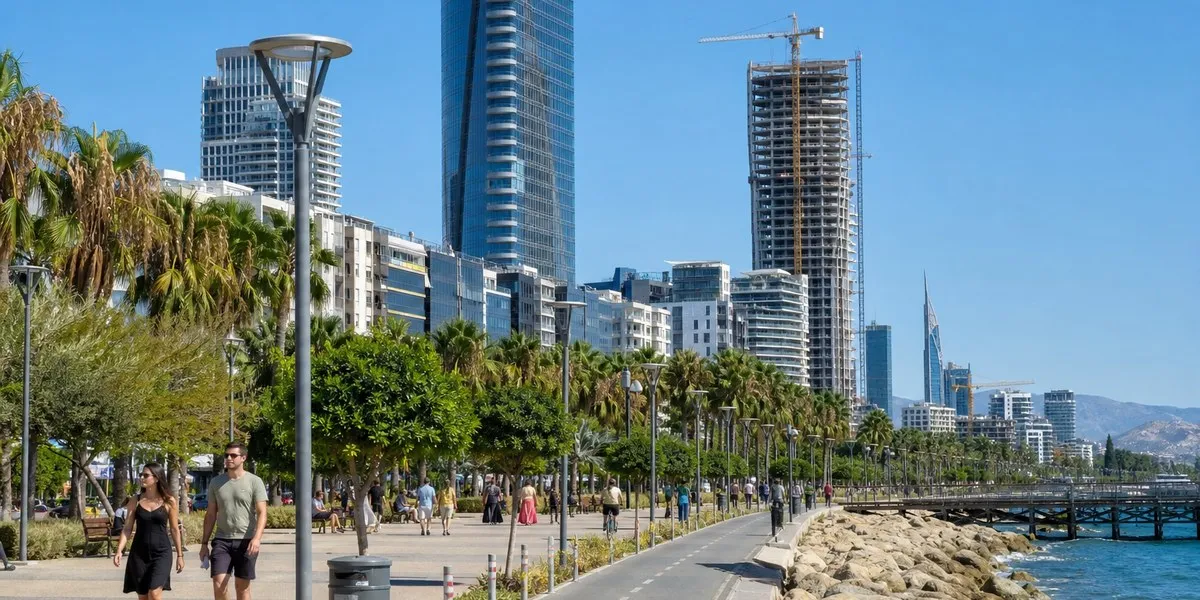
Cyprus Mail columnist George Neocleous warned that Limassol’s model of rapid high-end development in Cyprus could spread to Larnaca, Ayia Napa and other coastal areas of the island. In his view, such a transformation could displace local residents and weaken the distinct identity of Cypriot cities.
Rising prices and changes to the urban environment
Neocleous describes Limassol as a city where, over the past 15 years, intensive construction has been accompanied by the emergence of glass-and-steel high-rise buildings, expensive cars and real estate deals worth millions of euros. The author links this model to foreign direct investment, the consequences of scandals surrounding “golden passports,” and an orientation toward ostentatious luxury.
He calls this process “Limassolisation” — the rapid transformation of cities under the influence of capital, in which real estate speculation outpaces municipal governance. According to the columnist, under such conditions urban planning is increasingly adapted to the needs of wealthy investors rather than permanent residents.
More current news is available on the UA.News Telegram channel Telegram.
Among the signs of this trend, Neocleous cites the spread of gated residential complexes, exclusive beach clubs that, in his view, indirectly privatise coastal areas, and commercial districts that lose their local character. In the author’s opinion, rising property prices are also pushing independent bookshops, family taverns, cultural workshops and young creative entrepreneurs out of city centres.
Call for stricter planning
As an alternative, the author points to Paphos, where, according to his observations, development is based on a pedestrian centre, a waterfront promenade and active public spaces with a distinct Mediterranean identity. He believes that Larnaca still has an opportunity to change or contain a similar development model.
Neocleous called on municipalities to strengthen control over development: introduce requirements for mixed land use, protect affordable housing and traditional architecture, and preserve public access to the coast. He also suggested that excessive dependence on investment real estate could make cities vulnerable after construction growth slows.




