
Eagle Hills signs $20bn Maldives project deal — The National
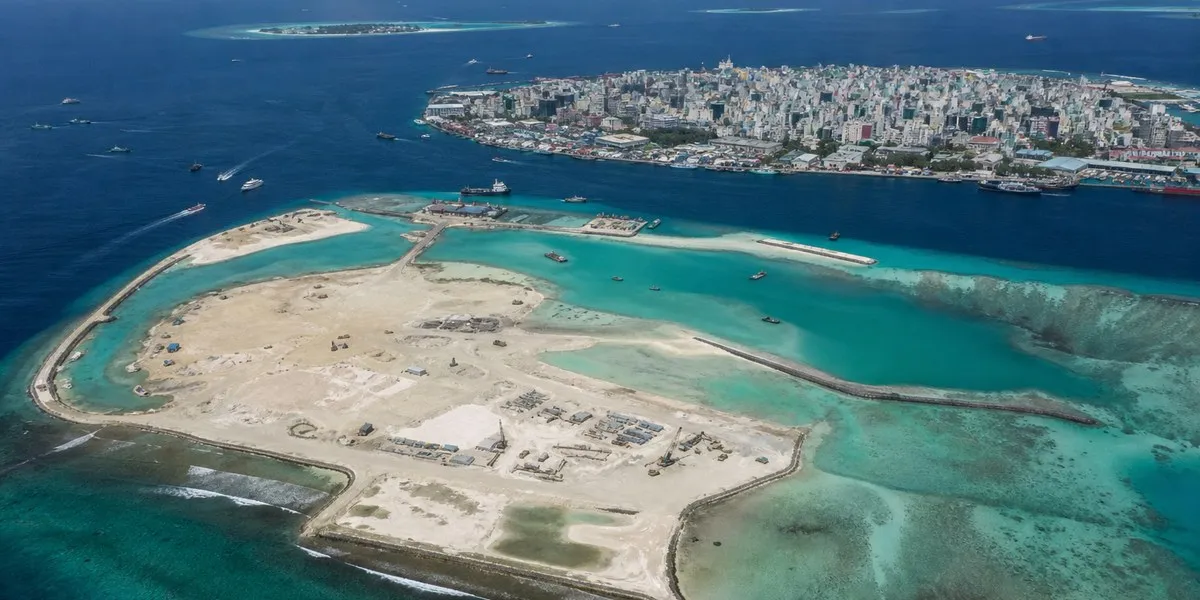
Abu Dhabi-based developer Eagle Hills has concluded an agreement with the Maldivian government to develop the Maldives Waterfront and Marina complex, with planned investment of about $20 billion. The project is planned for Ras Male, a new urban district being created in the Fushi Dhiggaru lagoon near the capital, Male.
As The National reports, the signing ceremony took place in Dubai with the participation of Eagle Hills founder and chairman Mohamed Alabbar and representatives of the Maldivian government. Ras Male will be located about 17 minutes by speedboat from Male.
Hotels, housing and marina
The integrated complex is to include international hotels and resorts, premium and branded residences, a marina, waterfronts, restaurants, shops, as well as leisure and wellness centres. According to Eagle Hills, approximately $20 billion in investment is envisaged across various stages of the project’s implementation, rather than as a one-time commitment by the company.
More current news is available on the UA.News Telegram channel Telegram.
The financing terms, construction schedule and the amount of funds Eagle Hills will directly invest in the project have not yet been disclosed. Preliminary estimates suggest that the complex may attract more than $30 billion in gross foreign investment over its entire implementation period, including about $18 billion in net foreign investment in the Maldives.
City expansion
According to the company’s estimates, the project could create more than 54,000 direct and indirect jobs. Once fully operational, the complex is expected to receive more than one million visitors annually and generate more than $2 billion in annual tourism revenue.
Ras Male is part of one of the largest urban expansion projects in the Maldives, intended to reduce pressure on densely populated Male. The government is reclaiming land in the Fushi Dhiggaru lagoon to create a new city with residential, commercial and tourism districts. The plan provides for the development of more than 1,100 hectares and the creation of approximately 65,000 housing units.


