
Esterhuizen becomes Springboks’ 68th captain amid 2012 controversy — Daily Maverick
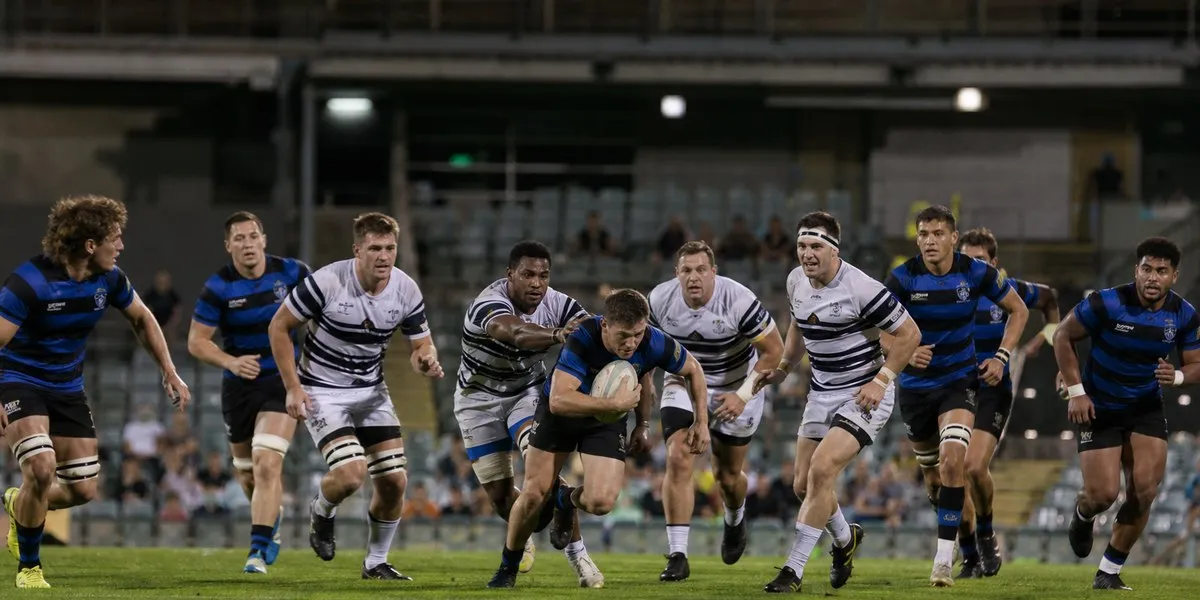
In Perth, Australia, rugby player André Esterhuizen became the 68th player to lead South Africa’s Springboks rugby team into a match as captain. His first game in the role ended with the team’s 42–38 defeat to Australia.
The 2012 incident
Esterhuizen’s appointment has again drawn attention to reports from 2012 alleging that he used a racist slur against Thabo Molete, the Black coach of an opposing team. According to Daily Maverick, Molete was then coaching Potchefstroom Gymnasium, while the 18-year-old Esterhuizen played for Hoërskool Klerksdorp.
Esterhuizen denied the allegation. At the same time, the publication writes that a disciplinary investigation found him guilty, after which the rugby player was suspended for one year, with six months suspended. He also missed Craven Week and was required to complete a life-skills programme.
Before the match, News24 journalist Haneiso Tshwaku asked Esterhuizen about the episode. The Springboks media department did not allow further discussion of the matter and said it would not comment on it.
More current news is available on the UA.News Telegram channel Telegram.
The coach’s position
Springboks head coach Rassie Erasmus explained that he gave Esterhuizen captaincy duties in order to broaden the team’s pool of leaders. According to him, Siya Kolisi remains the national team’s main captain.
Erasmus noted that Esterhuizen had previously captained the Sharks, puts the team’s interests above his own and is ready to perform different roles on the field. The coach mentioned his play at centre, at flanker and his appearances from the bench.
Historical context
Daily Maverick notes that rugby in South Africa has a complex legacy: during apartheid, the sport was one of the important symbols of Afrikaner nationalism. After the first democratic elections in 1994, the team underwent significant changes, according to the publication, and Kolisi became its first Black captain.
At the same time, the publication believes that issues of racial relations and access to rugby for talented Black players at grassroots level remain relevant.




